
Ever wonder how one clever play can flip the game in just a second? It’s all about that smart strategy called Nash equilibrium (basically, teams act like chess masters, always sizing up what the other might do next). Coaches and players map out every move, knowing that every change comes with a bit of risk. This careful balance means no single play can win the game on its own. Isn’t it awesome how these calculated moves make every match so thrilling?
Realizing Nash Equilibrium in Sports Competitions

Nash equilibrium is all about players and teams choosing their best moves while keeping an eye on what their rivals are doing. Think of it like this: every team picks a tactic, be it a well-placed serve in tennis, a clever defensive setup in football, or a smart play call in basketball, that perfectly counters what the opponent might try. No one can gain an edge by changing their plan alone because each move has a built-in counter. Coaches and players break down these matchups to plan plays where any sudden change might be a risky move. It’s a high-stakes chess match on the field that keeps everyone on their toes.
| Example Situation | Sports Context |
|---|---|
| Penalty-kick shooter vs. goalkeeper | Soccer |
| Serve placement vs. return positioning | Tennis |
| Offensive play call vs. defensive coverage | American Football |
| Zone defense vs. perimeter shooting | Basketball |
| Racing line choice vs. competitor tactics | Motorsports |
By applying Nash equilibrium ideas in sports, teams set up a scenario where every decision is carefully measured. Even the tiniest shift on the field can have big consequences during a tense penalty kick or a crucial moment on the race track. Coaches use this strategy to make sure their game plan isn’t based on gut feelings alone, but on smart, calculated moves that respond to what the opponent is doing. When every team adjusts to counter the other’s best plays, the game levels out, and no one move can give a clear advantage without some risk. It’s this balance of thoughtful tactics that makes sports both fair and incredibly exciting.
Defining Nash Equilibrium Principles for Sports Strategy
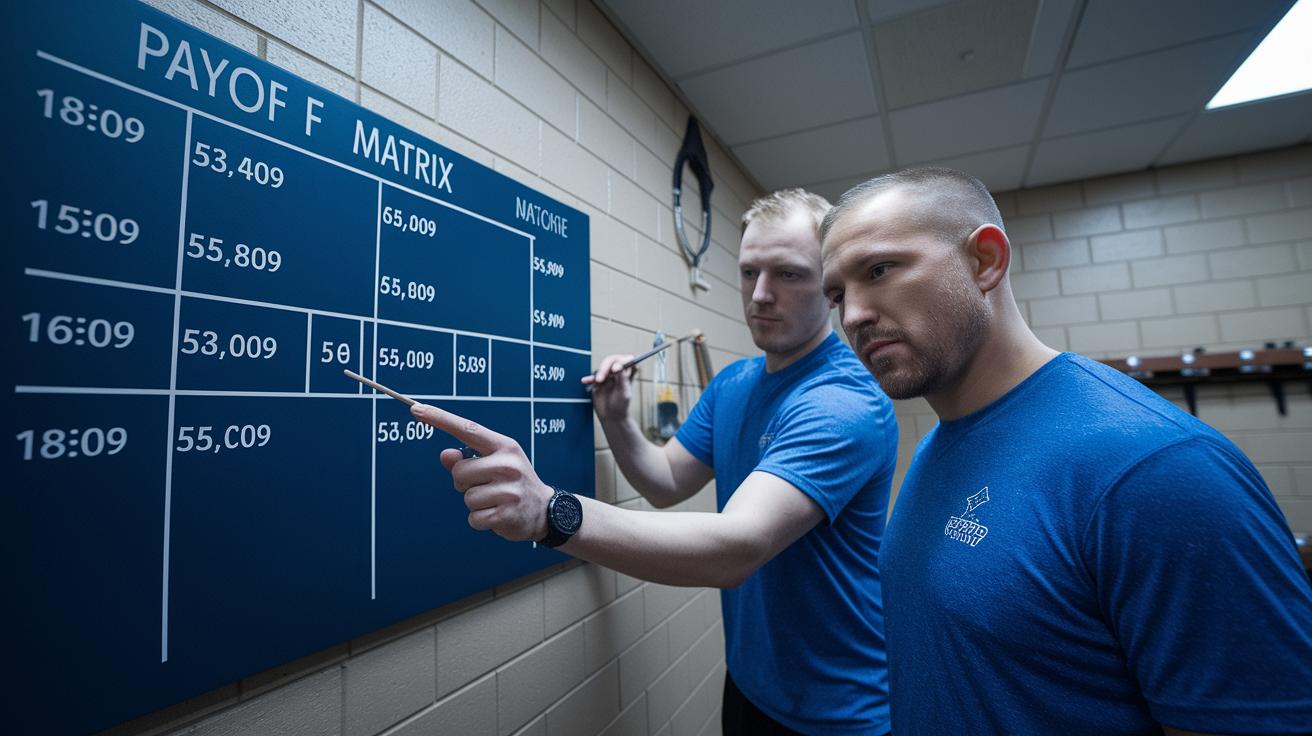
Ever been caught up in the thrill of a game where every move seems perfectly in sync with the next? That's game theory at work. It shows how players and coaches look at what the opponent might do to pick the best play. When every move is a perfect fit against the other, no one can benefit by changing tactics alone. This balance is what we call a Nash equilibrium, and coaches use it to test ideas and predict counter-moves on the field.
Pure Strategy Nash Equilibrium
Picture a player who sticks to one tactic every single time. Think of a tennis player who always serves wide for that consistent edge. Over multiple matches, this steady choice creates a kind of balance. Every competitor follows their plan because switching things up could throw off the game. Simply put, changing your play on your own doesn’t give you any extra boost.
Mixed Strategy Nash Equilibrium
Now, imagine players who like to mix things up to keep everyone guessing. In soccer, for example, a player might randomly change the direction of their shot. This unpredictability makes it hard for the goalie to get ready. By mixing different moves with certain chances, the whole plan stays solid, no matter what comes next. Coaches even use simulations to nail down these probabilities, ensuring that every move is the best answer to what the other team might do.
Deep Dive: Nash Equilibrium in Key Sports Scenarios
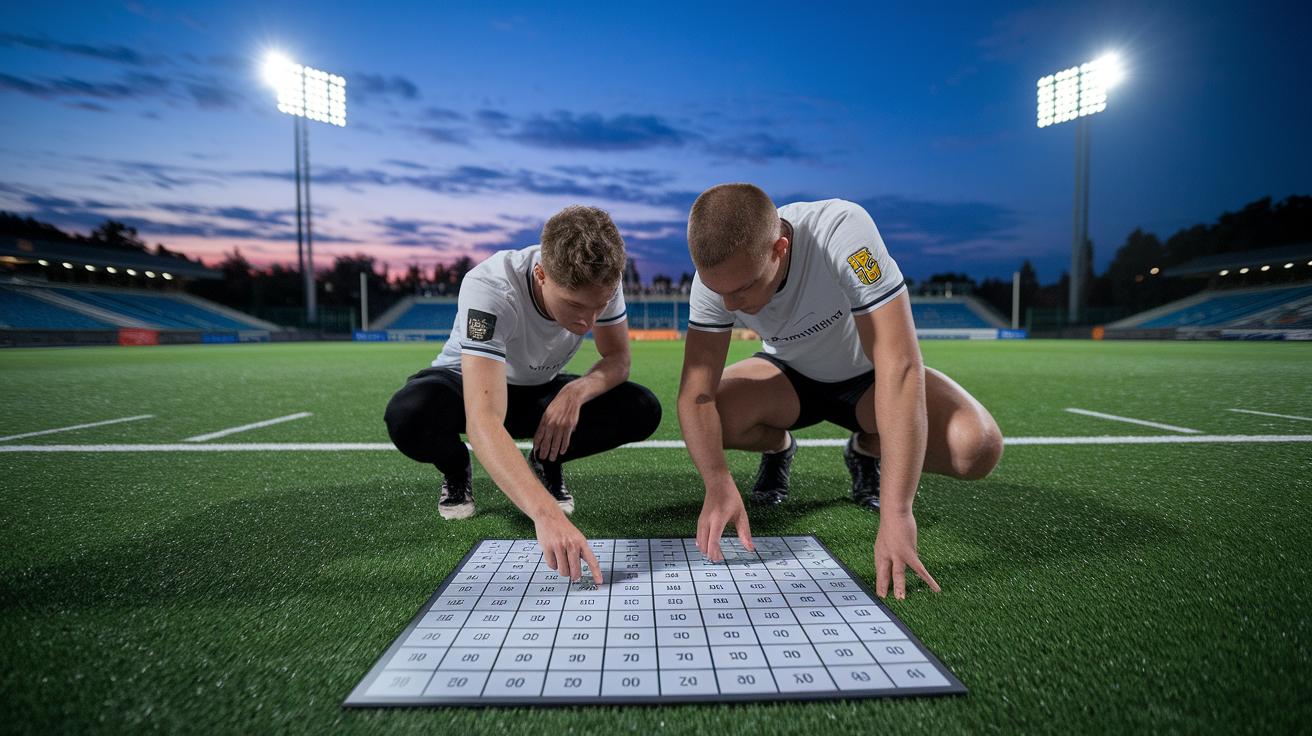
When teams hit the field, they use smart math to plan out their moves. They rely on what’s called a Nash equilibrium, a way to balance every play against what the opponent might do. Think of it like filling in a scoring chart, where each team checks out different outcomes before picking a move that works best for both sides. In short, if one team changes its play, it won’t help much unless the other team also switches up their tactics.
Nash in Penalty Shootouts
Imagine a tense soccer penalty shootout. The kicker has to choose whether to shoot left, right, or center based on past game numbers and a bit of gut instinct. At the same time, the goalkeeper is trying to guess where the shot might go using similar stats. Both players rely on a sort of scorecard that assigns points to scoring or stopping the ball. For example, if the kicker tends to miss when taking a left shot and the goalkeeper picks up on that trend, the keeper might lean left. In the end, both settle into a plan where any change in strategy just drops their chances, sort of like a quiet understanding between them.
Equilibrium in Tennis Serve Patterns
Now picture a tennis match. Top servers mix it up by choosing between the deuce or ad side when serving, almost like they’re shuffling through a deck of plays. The returner watches carefully and positions himself based on what the numbers and past patterns suggest. Each serve and return feels like a smart chess move, with both players updating their strategies as the game goes on. It’s a dance where both sides end up finding a balance, making sure that any sudden change in strategy could actually lower their chance of winning the point.
Case Study Analysis of Nash Equilibrium in Competitive Sports
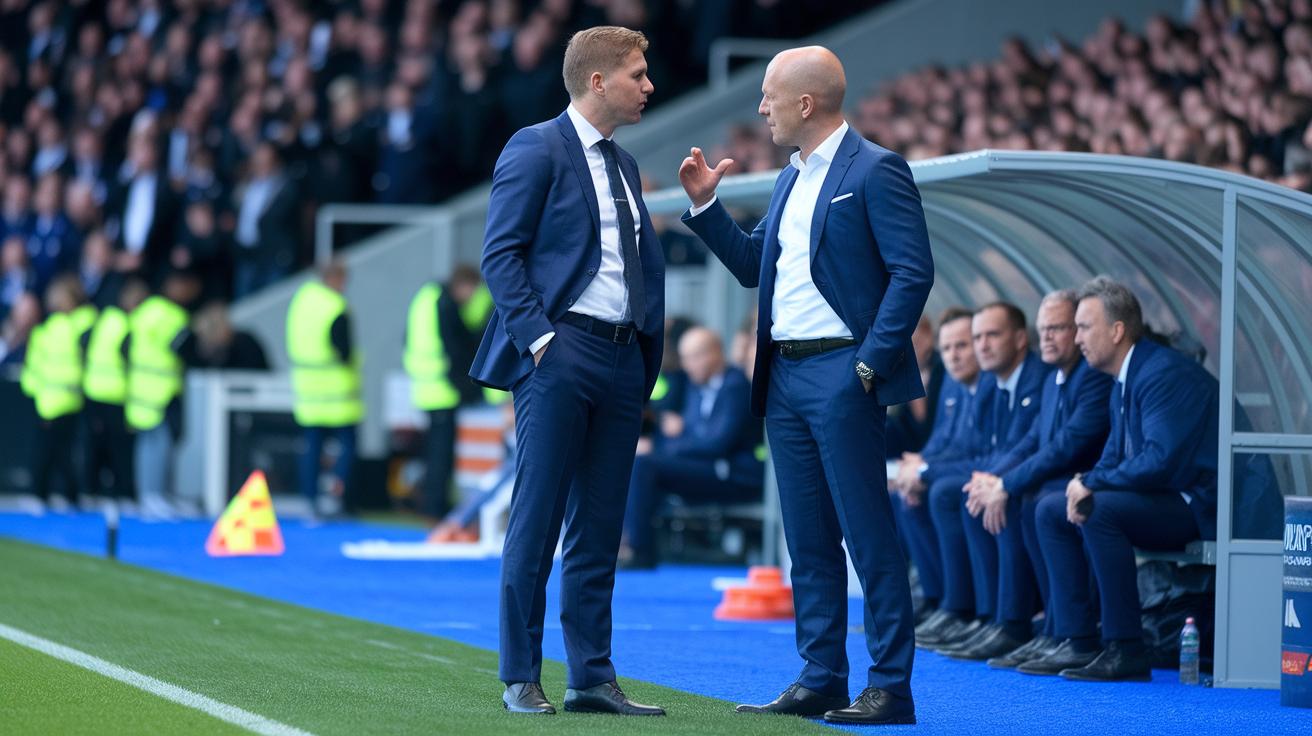
Imagine a nail-biting football clash where both teams swap up their formations like players shifting during a penalty shootout. Managers are constantly tweaking moves, balancing bold wing attacks with a rock-solid defense. It’s a bit like watching a Champions League final, where every change comes from keeping pace with the opponent, dealing with tired legs, or even fighting off a sudden change in weather. Every play matters, and no one can improve their game by going on solo.
In another thrilling scene, a Grand Slam tennis final turns into a game of chess on the court. The server mixes up shots from both sides, while the returner adjusts based on what’s worked before. Throw in the different feel of the court, and you’ve got a strategy that both players stick to, any offbeat move could drop their winning chances. It's a continuous dance where both sides are locked in, each move building on the last for that perfect win.
Applying Nash Equilibrium to Plan Winning Sports Strategies

Coaches kick things off by building a payoff matrix that lines up different tactics with their expected outcomes. They assign win chances and scoring margins to each play. Picture a grid where each row represents one possible move and each column shows the opponent’s counter. Every cell in this grid reveals the reward for that matchup, making it easy to spot which pairings offer the best chance. This clear setup helps weigh the risks and rewards of each strategy.
Next, simulation tools step in to pinpoint the equilibrium, the sweet spot where no one gains by changing tactics. Analysts run hundreds of simulations to see how each play holds up against different opponent responses. Imagine replaying a game over and over – every simulation shines a light on the strategy that consistently comes out on top. It’s like having a mini-lab where theory gets tested until the perfect balance is found.
Finally, these smart strategies get woven into training sessions and game plans. Coaches use decision trees to break down the play choices, guiding players step by step on the field. Teams drill these moves until they become second nature, turning those numbers into real, repeatable plays. This way, in-the-moment decisions aren’t just about gut feeling but are backed by solid, calculated planning.
Final Words
In the action, we broke down the essentials of Nash equilibrium and how it plays out in sports. We saw how teams and athletes form solid tactics that put them on an equal playing field, from penalty shootouts to tennis serve patterns. The article mapped out game theory basics to real game moves and even highlighted case studies from high-stakes matches. All these insights boost our understanding Nash equilibrium in sports competitions, leaving us fired up about smart plays and strategic game plans. Keep enjoying every dynamic twist on the field!
FAQ
What is a Nash equilibrium?
The Nash equilibrium is a state in game theory where each player’s tactic is the best response to the others, so no one can improve outcomes by changing strategies on their own.
Can you provide an example of a Nash equilibrium?
A Nash equilibrium example appears in sports when a penalty-kick shooter and goalkeeper select directions that are optimal responses to each other, mirroring similar mutual best response tactics seen in game theory.
How does Nash equilibrium apply in economics and competitive markets?
The Nash equilibrium applies in economics by predicting that firms settle on strategies where any deviation fails to improve their situation, effectively modeling behavior in competitive market conditions.
Is Nash equilibrium the best outcome?
The Nash equilibrium isn’t necessarily the best outcome; it represents a stable state where no player benefits from changing their strategy alone, even if a different approach might yield higher overall payoffs.
What is a Nash equilibrium strategy?
A Nash equilibrium strategy involves choosing a tactic that is optimal given the opponents’ moves, ensuring that any unilateral change won’t result in a better outcome.
How can one calculate a Nash equilibrium?
A Nash equilibrium calculator uses mathematical models to assess players’ payoffs for various strategies, ultimately pinpointing combinations where no competitor gains by altering their choice.
Where can I find more resources like a Nash equilibrium PDF?
More detailed insights into Nash equilibrium, along with downloadable PDFs, are accessible through academic resources and research platforms that cover extensive game theory applications.