
Ever thought about whether that heart-pounding thrill is worth a potential injury? Every year, millions of young players face real risks, turning moments of glory into painful setbacks. You know, the numbers are eye-opening, over 3.5 million sports injuries among kids and teens across the country. Today, we're breaking down these risks and sharing smart tips to stay safe without missing out on the excitement of play. Ready to learn how to protect your body while keeping the fun alive?
Understanding Sports Dangers: Scope and Statistics
Sports are all about big thrills and big risks. Every year, more than 3.5 million kids and teens in the United States get hurt playing sports. Almost one out of every three injuries in childhood happens on the field. Picture this: a young star scores the winning goal, only to twist something awkward right after, suddenly, the game joy turns into a moment of worry.
Contact sports like football and rugby really ramp up the risk compared to non-contact games like cricket or track. Just think of a pie chart showing how many injuries come from heavy hits in football. Professional football players, for example, might rack up close to 200 injuries in one season. That includes everything from concussions to broken bones and soft-tissue injuries.
These numbers tell us that the dangers in sports aren’t the same for every game, and that athletes, coaches, and parents should think hard about how to cut down on these risks. While the rush of the game fires us up, keeping an eye on these figures is a smart move to ensure every player stays safe and able to get back on the field.
Common Injury Types in Sports: Acute and Overuse Harm
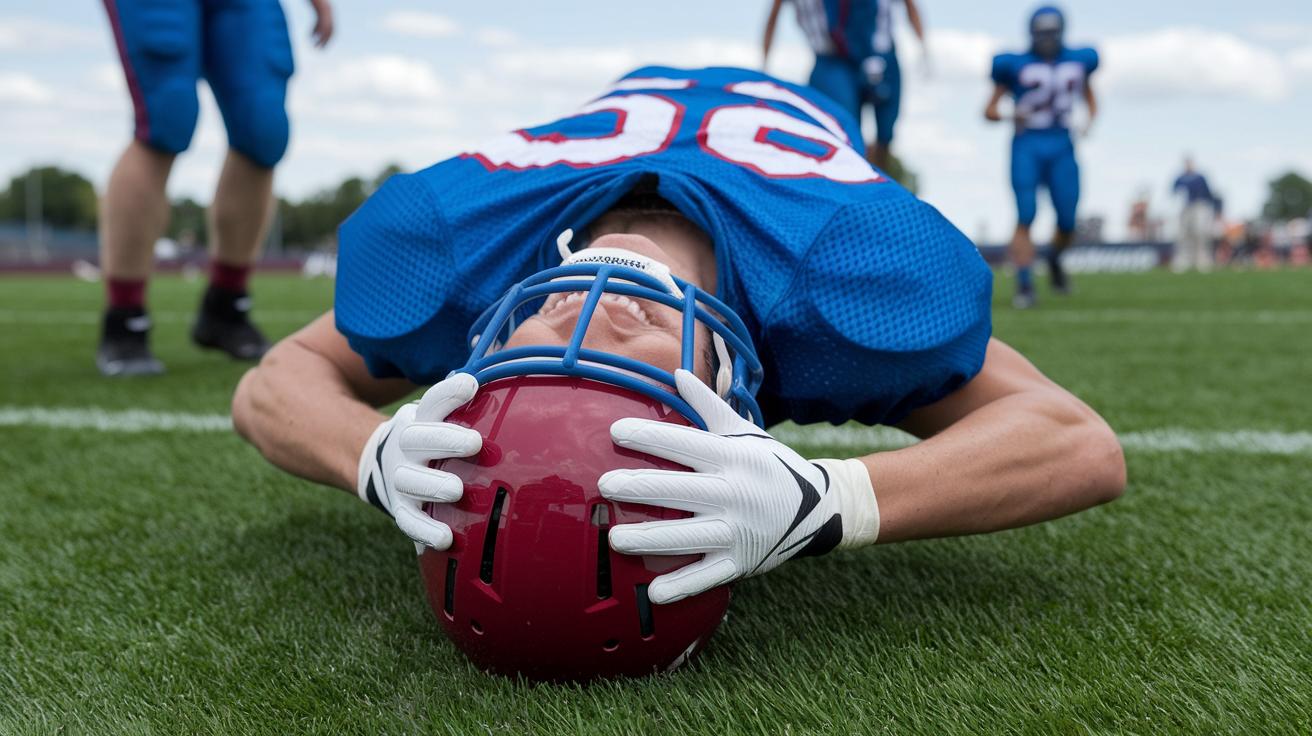
In sports, injuries can hit you suddenly or sneak up over time. One moment you’re in the middle of a wild play, and the next, a heavy hit or awkward fall sends pain coursing through your body. Sometimes, it’s a burst of action that causes a sprain or fracture, while other times, doing the same move again and again leads to issues like tendinitis or stress fractures.
Take sprains, for example. This happens when a joint gets pushed too far and is one of the most common injuries, about 30% of all injuries. It’s a clear sign that sports come with real risks, and not every injury is obvious at first.
Here’s a quick rundown of what you might see on the field:
- Sprains: When ligaments stretch too far. Usually happens in wrists or ankles.
- Strains: When muscles or tendons get pulled or torn, making things sore.
- Fractures: Broken bones from a hard impact or fall, needing careful healing.
- Dislocations: Joints get knocked out of place, causing instant pain.
- Concussions: Brain injuries from impacts. They’re serious and mean you need full recovery before playing again.
- Tendinitis: Overuse causing inflammation in tendons from repeating the same motion.
- Stress fractures: Small cracks in bones from lots of pressure during play.
- Joint tears: Damage to parts like the meniscus or cartilage from sudden twists.
Spotting these issues early with good training, rest, and proper medical care is key to keeping athletes safe and ready for the next play.
High-Risk Sports: Comparing Injury Rates Across Activities
When it comes to injuries, contact sports lead the pack. Football and rugby are all about heavy hits and rough tackles that can leave players reeling. Just picture a player taking a sudden, jarring hit that leaves them dazed. This type of blow is so common in football that the risk of concussion is nearly three times higher than in soccer.
Basketball might not have the same kind of full-body crashes, but it brings its own set of troubles. Quick turns, sharp dashes, and high jumps often result in nasty ankle sprains, about 35 percent of all injuries in the game. That rapid pace really puts a strain on your feet and ankles.
Soccer, while more about finesse than brute force, has its own challenges. Those sudden stops and quick side moves can lead to painful ACL tears. It’s a different kind of danger that demands focus and smart footwork on the field.
Then there are individual sports like downhill skiing and ice hockey. Both involve high speeds and unpredictable conditions that can result in fractures and ligament injuries. These sports often top the lists when it comes to high injury risks.
In truth, team sports such as football and rugby tend to see more injuries from physical contact, while non-contact sports usually bring more acute injuries from quick missteps or overuse. Understanding these differences can help athletes prepare better and avoid unnecessary harm.
Concussion Hazards in Sports: Risks to the Brain
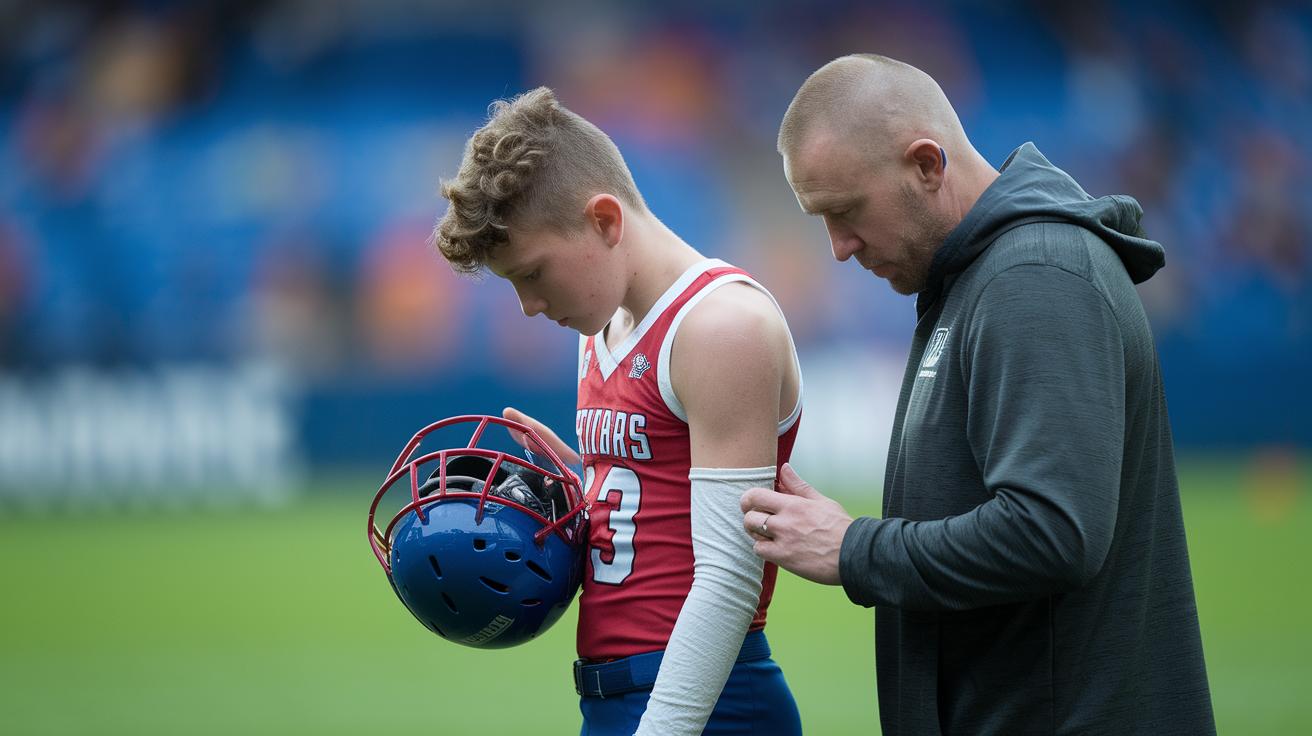
Concussions are one of the toughest injuries players face on the field. NCAA stats tell us that 20% of these head injuries hit football, 15% strike ice hockey, and 10% show up in soccer. Even games that seem gentler can sneak in serious risks. Imagine a player landing a big hit and feeling that surge of adrenaline, it can quickly turn into a dangerous head injury.
Youth athletes need to be extra careful. Their recovery usually takes about 7 to 10 days after a concussion. But with each bump, the risk grows of developing chronic traumatic encephalopathy (CTE), a condition that can lead to lasting brain problems. It’s like piling up small hits until the brain starts to wear down.
New guidelines make it clear: players aren’t allowed back on the field until their thinking and memory are fully back on track. Coaches and medical teams are staying strict to ensure no one gets rushed into play before their brain is healed.
Here's a surprising fact: in one season, a football player can suffer numerous concussions, with each one silently building up the risk of long-term brain damage. It reminds us that even a small hit matters when it comes to protecting our brain.
At the end of the day, every athlete faces some risks on the field. But knowing these stats can help everyone, from players to coaches, take smart steps to guard what matters most: their brain.
Youth Sports Dangers: Concussion and Overuse Risks in Young Athletes
High school sports are about more than just a scraped knee. Big hits and quick plays can lead to sudden injuries or problems from doing the same move too many times. Every year, more than a million young athletes suffer injuries, and overuse issues have jumped by 12%. It’s a reminder that all that physical effort can really take a toll on growing bodies.
Take football, for instance. Young players in football see about 11.2 concussions per 10,000 game exposures. And even in girls’ soccer, which might seem a bit gentler, there are around 9.5 concussions for every 10,000 times they step on the field. With their bodies still developing, these head injuries are a big deal. Coaches, parents, and players all need to take extra care on the field.
Kids also face other challenges. Their wrists and ankles are especially at risk because the growth plates, those soft spots near the ends of their bones, are more delicate. So every practice and game should focus on building proper technique and allowing enough time for recovery.
Consider these points:
| Statistic | Detail |
|---|---|
| Football Concussions | 11.2 per 10,000 exposures |
| Girls’ Soccer Concussions | 9.5 per 10,000 exposures |
| Overuse Injuries Increase | 12% rise in high school sports |
| Growth Plate Vulnerability | Leads to more wrist and ankle problems |
It’s a lot to think about! Ever felt the rush when your team scores? That same energy is why we need to be mindful of every play. As much as we love the thrill, looking after our athletes means keeping safety in the spotlight every step of the way.
Prevention and Safety Protocols: Reducing Dangers in Sports

Staying safe in sports isn’t just about dodging injuries, it’s a smart way to keep playing longer and stronger. Think of it like training for the big game: a strong strength and endurance program can drop soft-tissue injuries by 30%, wearing the right helmet cuts head injuries by 65%, and ASTM-certified pads can lower fracture risks by 25%. Numbers like these show how being prepared can really change the game.
Coaches keeping a keen eye and running regular safety drills help everyone learn the best moves to protect themselves. In many school sports, having clear emergency plans has even slashed the time to start treatment by half. Quick moves on the field can mean the difference between a little stumble and a serious injury, it’s like nailing a game-winning play when it matters most.
Investing in top-notch gear and smart training methods builds a strong safety vibe in sports. Check out this table comparing how effective different safety measures are:
| Injury Type | Protective Gear or Method | Effectiveness Reduction |
|---|---|---|
| Soft-Tissue Injuries | Strength & Endurance Conditioning | 30% |
| Head Trauma | Proper Helmet Use | 65% |
| Fractures | ASTM-Certified Pads | 25% |
A top safety plan means checking your gear and training routines regularly. When coaches run drills, every player learns the right way to handle tough situations, and that keeps everyone fit, ready, and excited for the next big play.
Final Words
In the action, we've seen how sports can bring thrilling moments while also coming with risks. The article covered the scope of sports dangers, from acute injuries to concussion hazards, along with the challenges in youth events and how safety measures help keep athletes secure. We highlighted injury stats, real-life examples, and prevention protocols that protect players on the field. Remember, understanding dangers in sports gives us the power to play stronger and smarter, keeping the game fun and safe.
FAQ
What sport has the most injuries and poses the highest risk?
Football and rugby rank among the top globally due to frequent collisions and fast-paced action. These contact sports see high injury rates and are often highlighted for their significant risk levels.
What percentage of injuries occur in sports?
Studies show that a significant percentage of injuries occur in sports, with contact games registering much higher injury rates. This emphasizes the need for careful play and proper safety measures.
What safety measures benefit students and why is safety in sports vital?
Safety protocols like using approved protective gear, regular drills, and proper technique help reduce injuries. These measures are vital for safeguarding students while ensuring they enjoy sports with minimized risk.
What is the most common injury and what other injuries occur frequently in sports?
Sprains and strains are the most common, with fractures, concussions, and overuse injuries like tendinitis also frequently seen. Knowing these helps in taking steps to prevent and manage them effectively.
What risks and hazards are associated with sports?
Sports pose risks such as collisions, overuse injuries, concussions, and fractures. These hazards underscore why proper technique, equipment, and safety drills are key to protecting athletes on every field.
Why do 70% of kids quit sports?
High dropout rates among kids can stem from injury worries, intense pressure, and safety concerns on the field. These challenges often dampen their enthusiasm and willingness to continue playing.