
Ever wondered why some athletes light up under pressure? Sports psychology tells us that winning starts in the mind as much as in the body. It’s like training your brain the same way you train your muscles, getting it ready to stay calm and focused when the heat is on.
Imagine lining up a free throw, your eyes locked on the hoop, feeling the energy of the crowd. Simple mental drills can boost your confidence and sharpen your game. So next time you're facing a tough challenge, think of it as an opportunity to flex your mental muscles and turn everyday pressure into your winning edge.
Sports Psychology Fundamentals: Understanding Mental Performance in Athletics
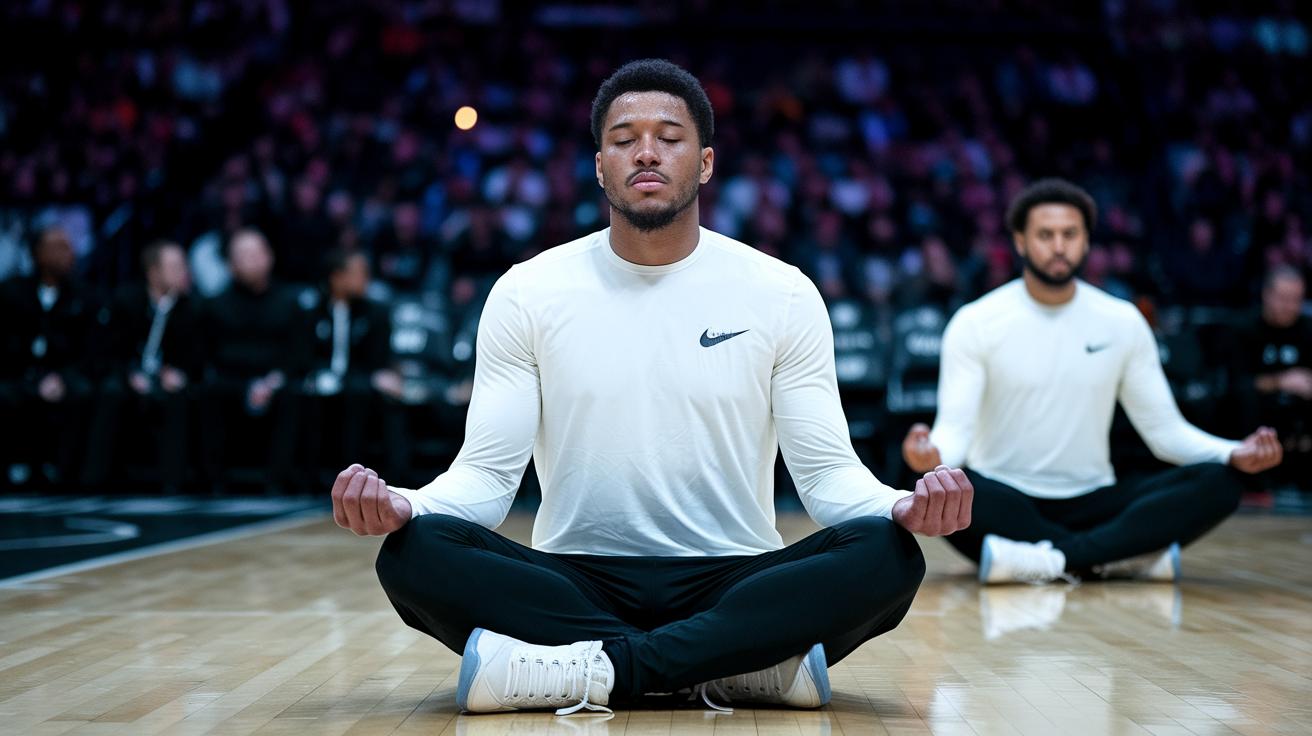
Ever notice how the way you think can totally change your game? Sports psychology digs into how our feelings and thoughts shape our performance on the field. Think about legends like Kobe Bryant, Michael Jordan, and Shaquille O’Neal, they all used simple mindfulness to stay focused and overcome fears, showing that it’s not just the physical training that matters but also having a strong, winning mindset.
Mental strategies can really transform the way you play. Athletes often do mental imagery drills, picturing every move like setting up for a perfect free throw or nabbing a crucial steal in a high-pressure moment. Remember how Kobe used slow, deliberate breathing before a big finals game to keep his head clear? Techniques like these help block out distractions and keep concentration on point.
Simple exercises like focused attention drills and visualization aren’t just neat tricks; they’re powerful tools in practice. Sports psychologists work with players to weave these methods into every training session, ensuring that mental readiness goes hand in hand with physical strength. Research shows these routines can calm pre-game jitters and boost confidence, turning nerves into a competitive edge.
Cognitive and Visualization Strategies in Sports Psychology Practice
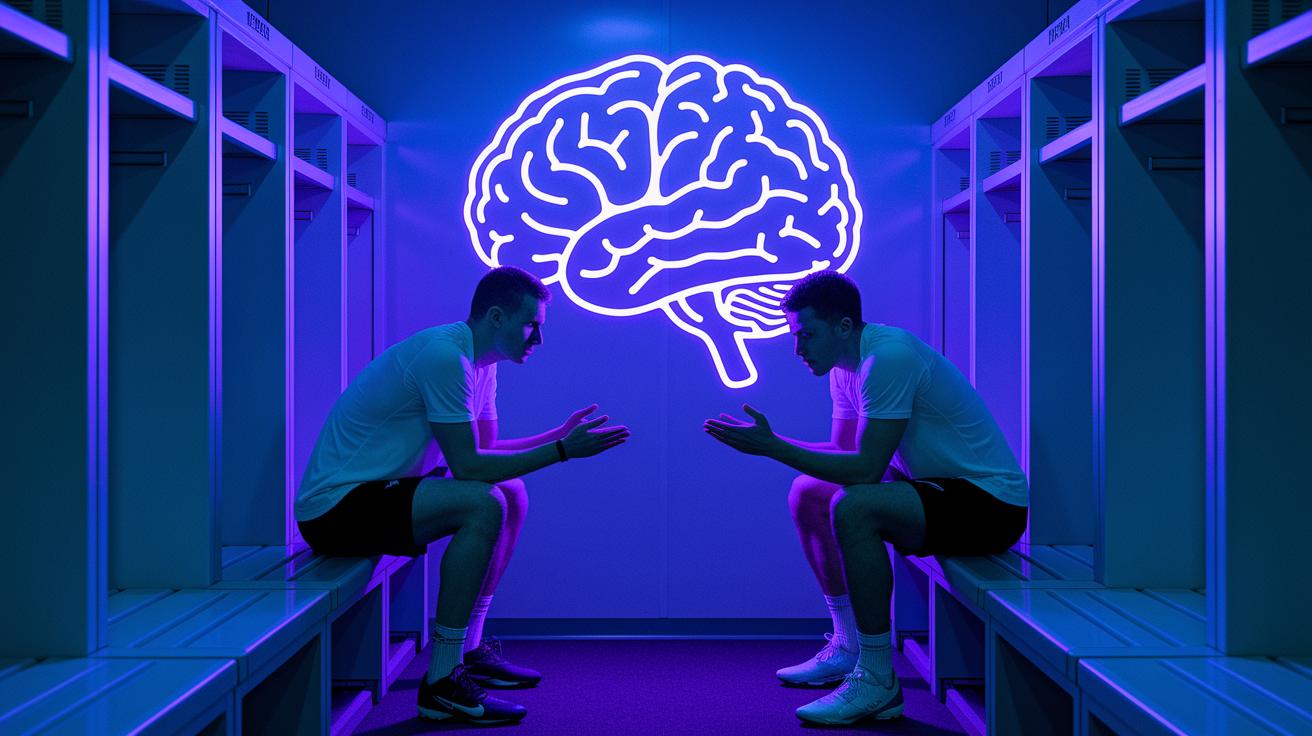
Athletes often picture game moments in their heads when they're off the field. Research shows that just imagining a move gets the parts of the brain that control physical actions fired up. For instance, scans reveal that the same brain area lights up when an athlete mentally practices a move as when they actually perform it. This helps them make fast decisions when it really matters.
Focused breathing and paying close attention keep athletes cool under pressure. Studies have found that practicing mental rehearsals over and over not only calms nerves but also gets the brain ready for quick plays. Sports experts say these techniques build focus and boost confidence by training the mind with clear, step-by-step visual drills.
Today, sports training often includes guided mental play-throughs where athletes visualize whole sequences of a play. Imagine picturing every part of a free throw – from the grip, to the smooth motion, to watching the ball soar into the hoop. This method strengthens the brain’s pathways, making the actual performance on the field even sharper.
Techniques for Managing Competitive Anxiety and Stress in Sports Psychology
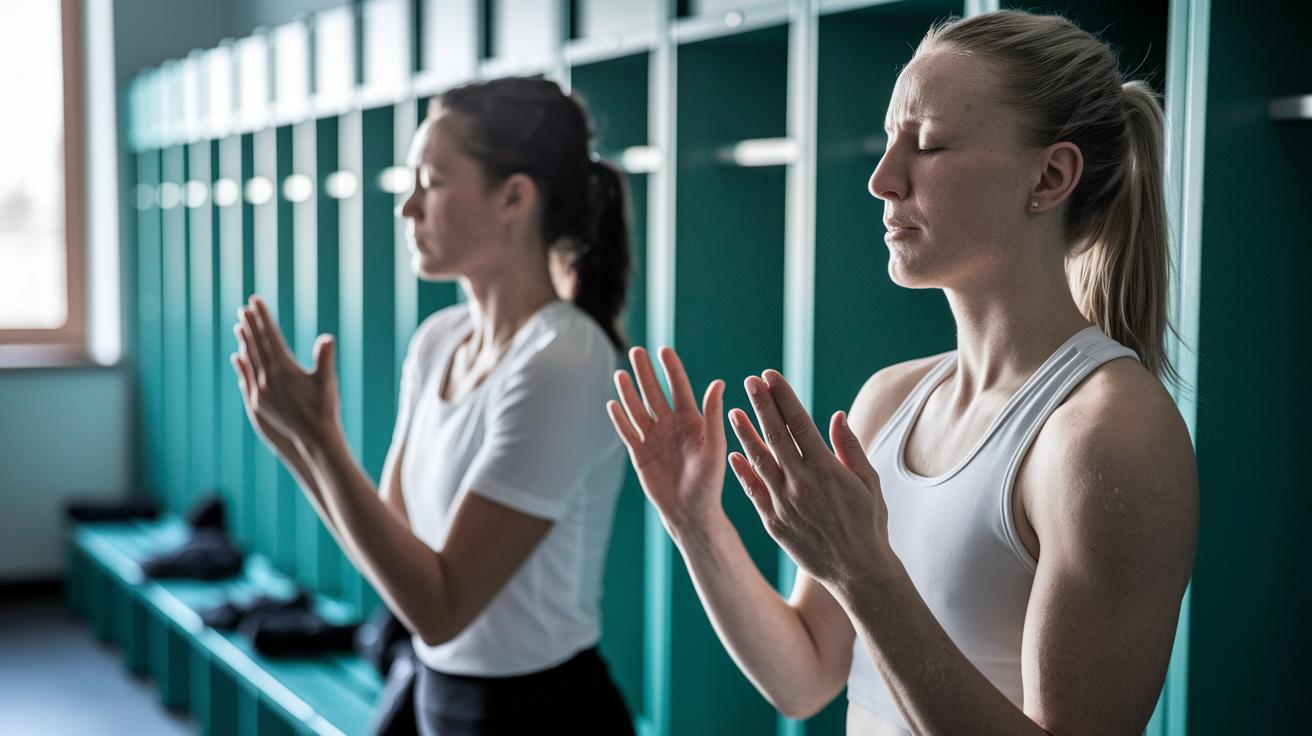
Sports psychologists share cool exercises that help athletes shake off pre-game nerves and crush in-game stress. Have you ever tried controlled breathing? One neat trick is the 4-7-8 method – breathe in for four counts, hold for seven, then let it out slowly for eight. This steady rhythm slows your heartbeat and quiets your mind so you’re all set for the game.
Another fun tactic is progressive muscle relaxation. Picture this: you tighten your muscles, starting from your toes, then slowly relax them as you move upward, all the way to your head. It’s like telling your body, "Hey, it's time to let go of the stress!" Start with your feet, scrunch them up for a few seconds and then ease off, and work your way up, releasing tension step by step.
And then there's cognitive reframing, which is all about flipping your negative thoughts on their head. Instead of thinking, "I might miss this shot," try saying, "Every shot is a step towards my next big win." This little change shifts your focus from fear of failing to the chance to learn and get better.
- Controlled breathing drills
- Progressive muscle relaxation routines
- Cognitive reframing techniques
These simple techniques turn pre-game jitters into fuel for an amazing performance, making sure both your mind and body are ready to bring their best when the pressure’s on.
Building Mental Toughness and Confidence Through Sports Psychology
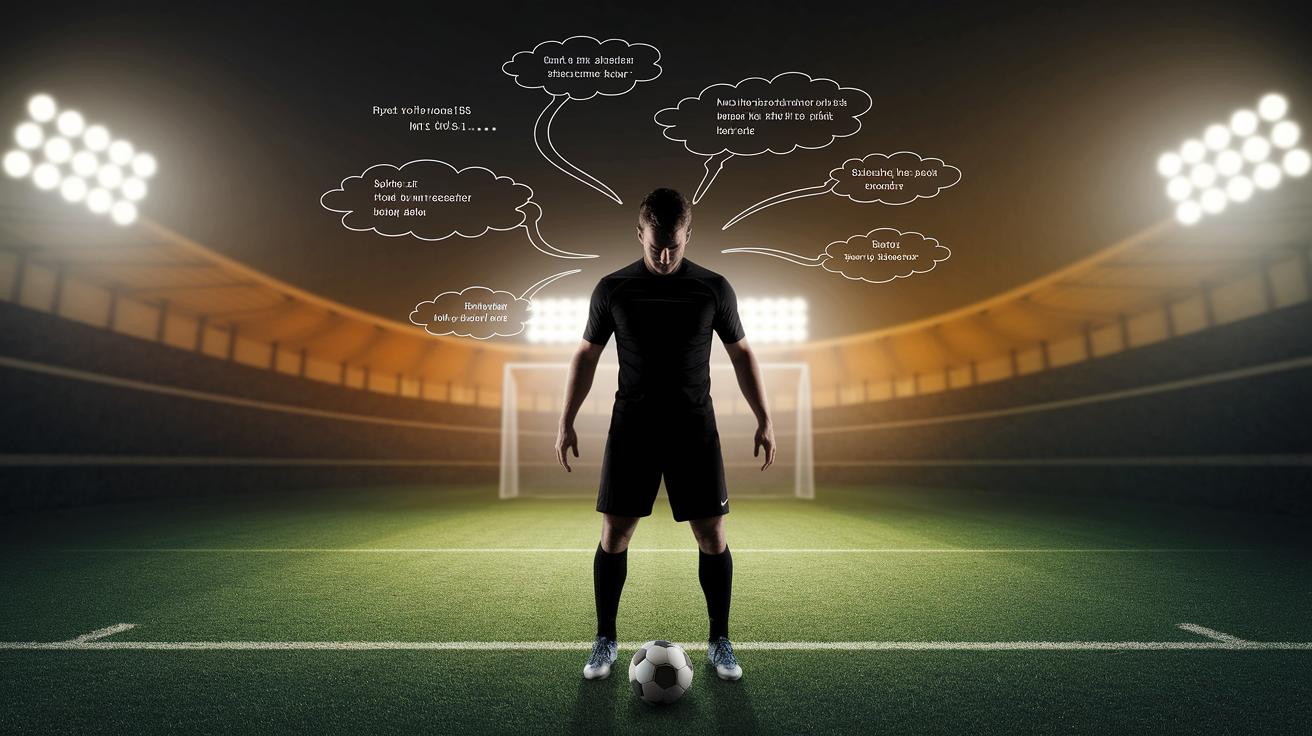
Top athletes know that tuning up their minds can push their performance further than physical drills ever could. Take Michael Jordan, for example. He used to tell himself, "After a tough shot, I learn and come back stronger." Research backs this up, showing that a focused mindset helps players make smarter decisions on the field.
Soccer stars often picture every move in their heads, rehearsing perfect passes and goals before they even step onto the pitch. And here's a fun fact: long before she became a gymnastics legend, Simone Biles carefully visualized every routine, which set the stage for her record-breaking success.
Recent studies reveal that these mental exercises not only ease stress in high-pressure moments but also sharpen reaction times. Today’s athletes mix in quick mental drills with their usual pre-game routines. For instance, they might dive into a short mindfulness session right before play or repeat specific affirmations to tackle challenges head-on.
| Aspect | Mental Training | Physical Training |
|---|---|---|
| Focus | Boosts brain control and quick reactions | Builds strength and endurance |
| Recovery | Eases stress and sharpens decision-making | Restores muscles and repairs tissues |
Sports Psychology: Empower Your Winning Mindset
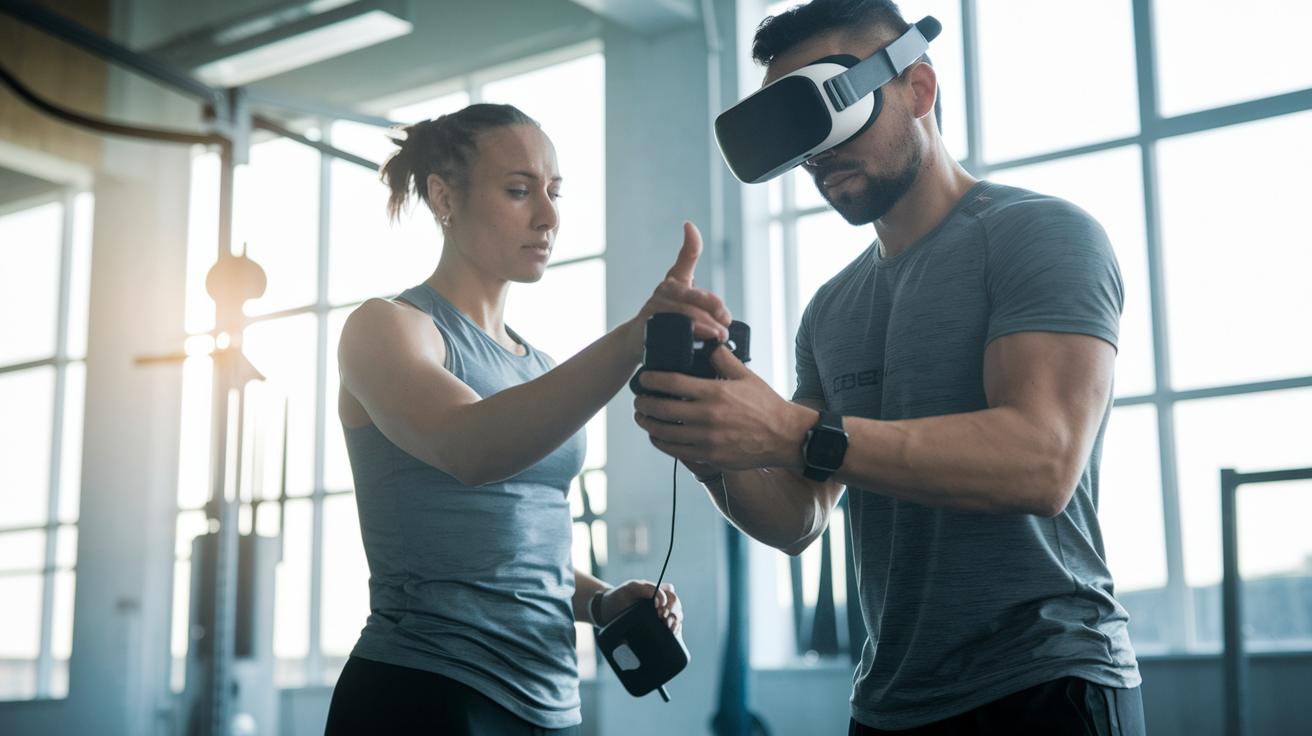
Today’s sports psychologists mix classic methods like visualization and stress checks with cool, new tools like biofeedback and virtual reality. It’s like turning nerves into that extra burst of energy on the field. Studies even show that tech-friendly sessions help athletes flip pressure into pure competitive power.
Coaches and mentors, a lot like the ones in the impact of mentorship on athlete career development program, join forces to create custom mental game plans, whether one-on-one or in groups. This fresh twist builds on traditional insights and adds a modern spark to mental training.
Case Studies: Evidence-Based Applications of Sports Psychology
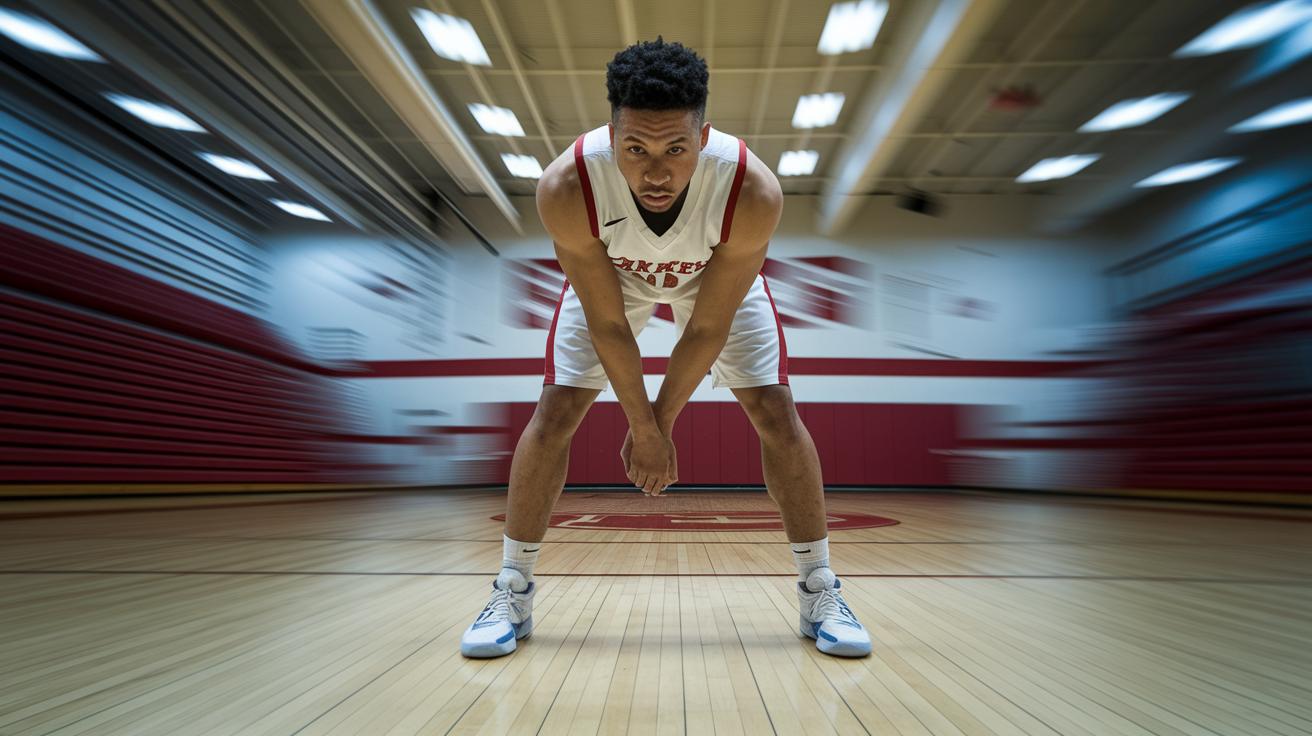
Real stories straight from the field show how key mental training can reshape the game. Take a college basketball team, for example, they managed to slash their turnovers by 15% simply by having weekly mindfulness sessions. Imagine a player on the court, taking a focused deep breath and just cutting out mistakes. Surprising, right?
Then there's the Olympic swimmer who built mental rehearsal into their routine. They improved split times by 2%, every tiny fraction counts in a sport where milliseconds make the difference. Picture the swimmer calmly picturing every perfect stroke, like rehearsing that flawless dive before hitting the water.
And think about a track athlete who struggled with a mental block. Using simple cognitive-behavioral methods to flip negative thoughts into action plans, they broke through that barrier. Visualize the runner suddenly free of doubt, sprinting ahead and leaving hesitation far behind.
Benefits highlighted:
- Weekly mindfulness sessions leading to 15% fewer turnovers,
- Mental rehearsal boosting split times by 2%,
- Cognitive-behavioral techniques dismantling performance blocks.
| Sport | Intervention | Performance Gain |
|---|---|---|
| Basketball | Mindfulness sessions | 15% fewer turnovers |
| Swimming | Mental rehearsal | 2% faster split times |
| Track | Cognitive-behavioral techniques | Beat performance blocks |
Each of these cases proves that tapping into mental strength isn't just another tactic, it's a true edge that fuels performance on the field and in life. Ever felt that rush when your confidence clicks just at the right moment? That’s the game-changing magic of sports psychology.
Pathways and Credentials for a Career in Sports Psychology

If you're eyeing a career in sports psychology, planning your education is like drawing up a winning game plan. Many aspiring mental performance pros start by building a strong academic base. Just imagine enrolling in a Master’s program in athletic thinking that demands 60 credit hours and at least 600 hours of hands-on internship, think of it like racking up practice time on game day. This real-world experience gears you up to help athletes handle those high-pressure moments.
Programs that mix classroom theory with practical training can be a game changer. You'll get into cognitive strategies, performance evaluations (basically, figuring out what works best in the heat of competition), and effective mental coaching techniques. Once you earn your graduate degree, the next step on your field is securing consultant credentials. For instance, organizations like the AASP want to see that you have a related degree plus 400 hours of supervised practice to prove you’re ready for the big leagues.
And it doesn't stop with school. Post-graduate internships and workshops are like your training camps, they let you work directly with teams, sharpen your diagnostic skills, and learn from seasoned experts. This hands-on training turns textbook knowledge into solid game strategies for athletes facing the heat of competition.
Key steps to consider:
| Step | Description |
|---|---|
| Master’s Enrollment | Sign up for a program in athletic thinking with strong academics and internship requirements. |
| Internship Hours | Complete at least 600 hours to gain real-life experience. |
| Certification | Pursue 400 supervised practice hours post-graduation to earn your mental performance certification. |
| Additional Training | Enhance your skills with extra internships, workshops, or training sessions. |
Stick with these steps and you'll build the skills needed to thrive in this dynamic field, ready to deliver top-notch mental coaching to athletes at every level. Ready to step onto the field?
Emerging Trends and Technologies in Sports Psychology

Sports psychology is zooming ahead as cool digital tools let athletes work on their minds from anywhere. Picture using an app that guides you through calming breathing exercises while you're on a long drive or chilling at home between practices. It’s a quick, handy way to boost mental readiness even when you're not in the usual training zone.
Then there are mobile biofeedback apps. They check your heartbeat in real time and show you your stress levels right before or during a game. Imagine glancing at your phone and seeing your heart rate settle as you take a moment to get focused, turning live data into a tool for peak performance.
Neurofeedback is also shaking things up. Scientists are tracking brain activity during high-pressure moments to spot signs of those clutch plays. This insight lets them tailor mental-training routines just for you, like reading your brain's playbook and tweaking your strategy on the fly.
Digital platforms make remote mental training super easy. Athletes can join guided sessions from any location, so no matter where you are, building that winning mindset stays on track. These fresh trends in sports psychology are blending mind and body work to get you ready for the big moments.
Final Words
In the action, we explored sports psychology fundamentals, from mental focus techniques used by top athletes to practical steps for easing in-game stress. Small case studies and emerging tech trends brought these ideas to life.
Each section showed how mental training fuels athletic performance. With sports psychology as the key, every player can build a strong, winning mindset and enjoy every thrilling moment on the field.
FAQ
What do sports psychology courses cover?
Sports psychology courses teach fundamentals of mental performance by exploring techniques like mindfulness, stress management, and cognitive strategies that help athletes stay focused and perform at their best.
What does obtaining a sports psychology degree involve?
A sports psychology degree involves studying mental strategies that boost athletic performance, including training in emotion management, resilience techniques, and counseling methods tailored to athletes’ needs.
What do sports psychology jobs entail?
Sports psychology jobs entail guiding athletes in building focus and managing stress while using techniques such as visualization and controlled breathing to improve their performance on the field.
What is the typical sports psychology salary?
The sports psychology salary reflects experience, education, and role; professionals in this field can earn a solid income that grows with advanced credentials and proven results in enhancing athlete performance.
What sports psychology books are recommended?
Sports psychology books are recommended for their clear explanations of focus-building methods, stress control techniques, and confidence-boosting exercises, offering practical tips drawn from real-life athlete experiences.
What does a sports psychology university offer?
A sports psychology university offers specialized programs that blend theoretical learning with practical training, preparing students for careers in mental coaching, counseling, and performance strategy in sports.
How can I find sports psychology services near me?
Finding sports psychology services near you involves checking local clinics, university centers, or professional listings that specialize in mental performance training and counseling for athletes in your area.
How active is sports psychology discussion on Reddit?
Sports psychology discussion on Reddit includes sharing personal experiences, advice, and practical tips, providing a community hub where fans and professionals exchange ideas on mental techniques and performance improvement.
What do sports psychologists do?
Sports psychologists help athletes develop focus, manage stress, and overcome performance anxiety by implementing strategies such as mental imagery and mindfulness that boost both mental and physical aspects of performance.
Is a master’s in sports psychology worth it?
A master’s in sports psychology is worth it for those seeking advanced expertise in mental training techniques, as it opens doors to higher-level roles in athlete counseling and performance enhancement.
Do sports psychologists make a lot of money?
Sports psychologists can make a good living, with earnings that increase based on experience, advanced certifications, and the demand for expertise in improving athletes’ mental and overall performance.
What degree is best for a career in sports psychology?
The ideal degree for a career in sports psychology is typically a graduate degree in clinical or counseling psychology with a focus on sports, offering the academic foundation needed for effective mental coaching.