
Ever felt that thrill when your team clinches a win? Some sports stories hit you like a game-winning shot, leaving you breathless. When you chat with an athlete and they open up about the moments no one sees, you’re getting more than just stats, you’re capturing the soul of the game.
Imagine this: you’re asking the right questions, almost like a coach drawing up that perfect play. With a couple of smart queries and a bit of research, a simple conversation transforms into a story that’s as real as a buzzer-beater. It’s all about revealing the raw, unfiltered passion that makes every match unforgettable.
Essential Steps for Creating Engaging Sports Feature Interviews
Start by digging deep into your research. Find athlete profiles in match day programs, old game footage, and press conference snippets. Look up career stats and even quirky items like a unique bat or glove to spark lively conversation. For instance, you might say, "Before setting records, Jamie honed their skills with a worn, family trophy." This kind of detail makes the interview feel real and full of energy.
Next, build your questions to get personal insights. Mix open questions with follow-ups that relate to the game’s key moments. Ask things like, "What were you thinking when the game took a turn?" or "How did that vintage memorabilia boost your confidence?" These questions help athletes share both their on-field heroics and off-field struggles.
Then, set up a clear story. Pick a style that follows the athlete’s journey or mix it up with themes and timelines. Think of the interview like a match: "Kick off with that exciting first play, build the suspense with pauses, and end with the winning goal." Add in the sounds and sights from the locker room to pull readers right into the scene.
Finally, polish your interview by testing it with local fans or online groups. Pair direct quotes with solid match stats and catchy headlines so the feature not only informs but also touches the heart of every sports fan.
Research and Preparation for Creating Engaging Sports Feature Interviews

Step up your game by using top-notch video tools that capture those surprise flashes of emotion and offhand reactions. Instead of relying only on stiff game stats and formal interviews, catch that split-second look in a player's eyes after a tough loss, a real, raw glimpse into their competitive soul.
Mix in some cool case studies, too. Think about following the little changes in an athlete’s body language during practice or noticing how their nerves before the game turn into relief afterward. Sometimes, a quick social media update says it all, sharing unexpected insights into their mental toughness.
Try these focused tips:
- Check slow-motion clips to see real, unscripted feelings.
- Browse social media for genuine reflections that reveal personal highs and lows.
- Dig into detailed case studies to spot unexpected moments in athlete behavior.
Put it all together, and you’ve got a dynamic mix that goes beyond the usual stats and press conferences. This fresh approach adds depth and a new angle to your feature interviews, making sure every fan feels like they're right there in the action.
Designing Compelling Questions for Creating Engaging Sports Feature Interviews
When you're setting up an interview, the goal is to get athletes to open up and share what really goes on behind the scenes. Start by asking open-ended questions like, "What was on your mind when the game took that wild turn?" It draws out those personal stories and raw emotions that make the feature come alive.
And don’t miss the power of mixing in questions that tie in the stats. For example, "How did that 80% pass accuracy boost your confidence during the match?" It’s like connecting the dots between solid numbers and heartfelt moments, giving the conversation a strong, fact-filled backbone without losing the excitement.
Follow-up questions are key, too. Throw in a prompt such as, "Can you explain how that intense training session shaped your mindset?" This helps push the conversation deeper. Using guides like the 5 P's of sports, performance, passion, power, precision, and persistence, ensures that each question flows smoothly into the next, creating a narrative that's both engaging and easy for everyone to follow.
Finally, you might ask about early struggles or pivotal moments, maybe with a question like, "What do you think was the turning point in your career?" This blend of raw emotion, hard numbers, and memorable moments keeps the dialogue engaging for both fans and editors alike.
Applying Narrative Interview Frameworks in Creating Engaging Sports Feature Interviews

Character-Driven Arcs
One sure-fire way to hook your readers is by diving into an athlete's backstory and the hurdles they've overcome. Think about those early setbacks, inner conflicts, or off-field challenges that shaped their journey. For instance, you might mention, "Before breaking into the starting lineup, the player wrestled with self-doubt during quiet, grueling practices." It’s like watching a comeback story unfold, and it lets fans feel every twist and turn right alongside the athlete.
Vivid Scene-Setting Details
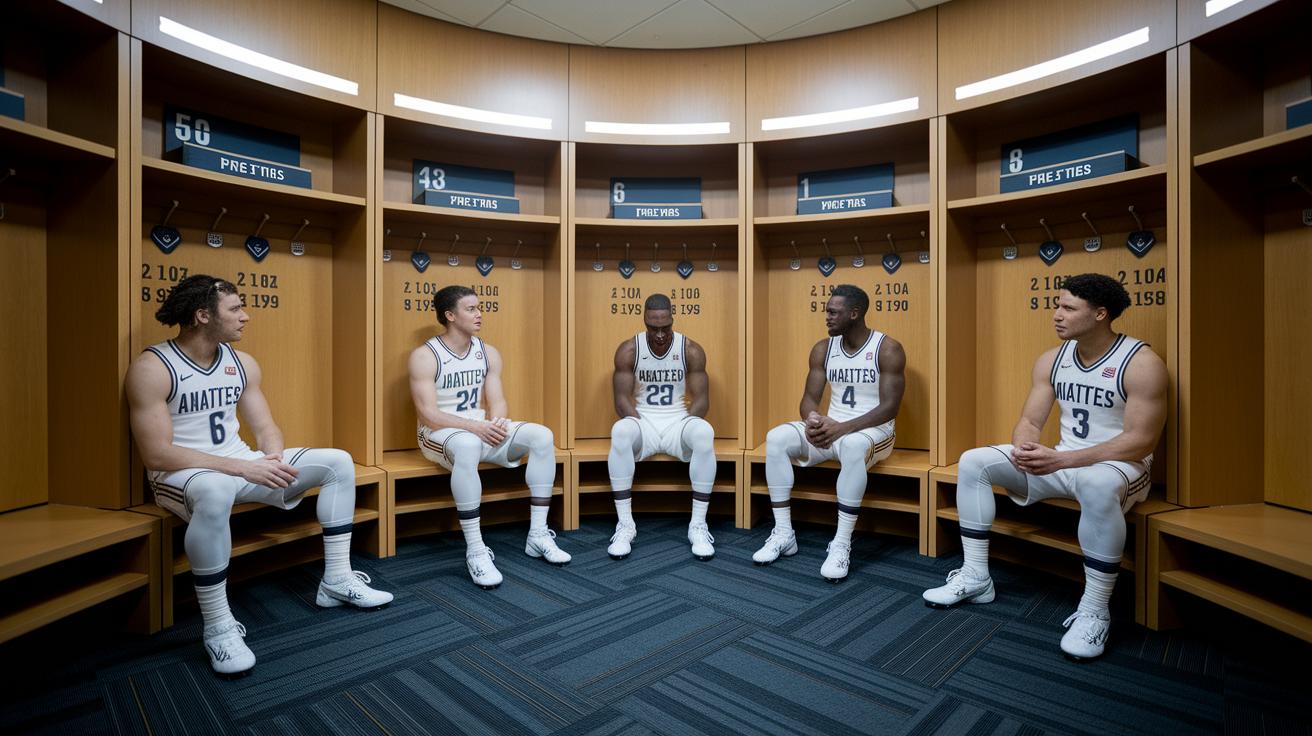
Picture stepping into the arena with the roar of the crowd and the echo of footsteps in the locker room. Describe those thrilling moments, the crisp whistle of the referee or the soft hum of lights over a renovated stadium seat that whispers tales of past glories. Imagine a scene under shining floodlights where every detail paints a story as vivid as a game-winning play. These sensory snapshots pull your readers straight into the heart of the action.
Thematic vs. Chronological Sequencing
Now, here’s where you choose your play: Do you let the story unfold move-by-move, or do you group the moments by big themes like resilience and teamwork? Laying out events in the order they happened builds a clear game plan, tracking every milestone like the scoring of a season. On the flip side, arranging the story by themes lets you shine a light on those game-changing moments that stir up emotions. Mix in real numbers and heartfelt quotes, and you’re creating a narrative that’s both packed with facts and bursting with raw, personal energy.
Capturing Athlete Personality and Engaging Personal Stories in Sports Feature Interviews
Simplify your process by hunting for fresh angles instead of re-telling the same old stories. Instead of always asking about early struggles, try nudging the conversation toward the moments that truly changed an athlete's game. Imagine asking, "What quiet moment off the field helped shift your strategy?" It’s a neat way to dive into personal experiences without falling back on familiar tales.
Keep things casual and chatty, digging into the unexpected details that set every player apart. Rather than sticking to the usual training talk, ask questions that uncover little shifts in how they prepare over time. For instance, you might ask, "How do those off-hour experiences shape your focus during matches?" This lets you see the evolution in their mindset in a way fans haven't heard before.
- Questions that tap into rarely shared, game-changing moments
- Inquiries that show subtle shifts in personal preparation
- Probes into unexpected habits that fuel on-field performance
These fresh prompts bring a whole new perspective, layering the athlete’s story with insights that stand apart from the usual chatter.
Structuring and Formatting the Interview Layout for Sports Feature Interviews
Imagine your sports feature as a mix of lively Q&A, story snippets, and quick stats that bring the game to life. Blend short athlete quotes with clear visual data like performance numbers, making it as dynamic as a big play on the field. Powerful quotes paired with cool infographics spark the reader's interest while backing up the athlete's story with hard facts.
Kick things off with an opening that pulls back the curtain on an athlete's world. Think of a behind-the-scenes line like, "In the pre-game calm before the roar, every whispered strategy and hopeful glance tells a secret story." That kind of start gets fans right into the action and builds excitement, check out some behind-the-scenes sports headlines for a boost of inspiration.
Break your feature into clear sections that guide readers smoothly through the narrative. Start with a strong hook, then switch to a mix of Q&A and sidebars filled with analysis. With this layout, you connect the passion of the game with the real numbers behind it.
Keep the visuals simple so fans can follow along easily. Clear breaks for stats and direct quotes make the whole interview feel like a fast-paced highlight reel that is as fun to navigate as it is packed with content.
Enhancing Engagement with Multimedia and Interactive Elements in Sports Feature Interviews
Tech can really crank up the excitement in sports features. Picture this: a live Q&A where fans fire off their questions using social apps and athletes answer on the spot. It almost feels like you’re right there in the room with them. Ever wondered what fuels a comeback? Imagine a fan asking that exact question and getting an instant, personal reply.
VR takes it to another level too. It can virtually plug you into the locker room or onto the field, giving you a perspective that’s as real as being there in person. And then you have long-form, off-the-cuff podcast chats that let athletes share hidden stories and unexpected moments. Just think of how places like Sky Sports or BT Sport get everyone buzzing with these kinds of interviews.
Live streams add the real-time thrill of top broadcasts, capturing the raw energy of a game. Plus, pairing quick video clips with interactive stats means you see every key play and feel the intensity as it happens. It’s like turning a regular sports feature into an all-star highlight reel where every fan gets to be part of the action.
Post-Interview Processing and Pitching for Creating Engaging Sports Feature Interviews
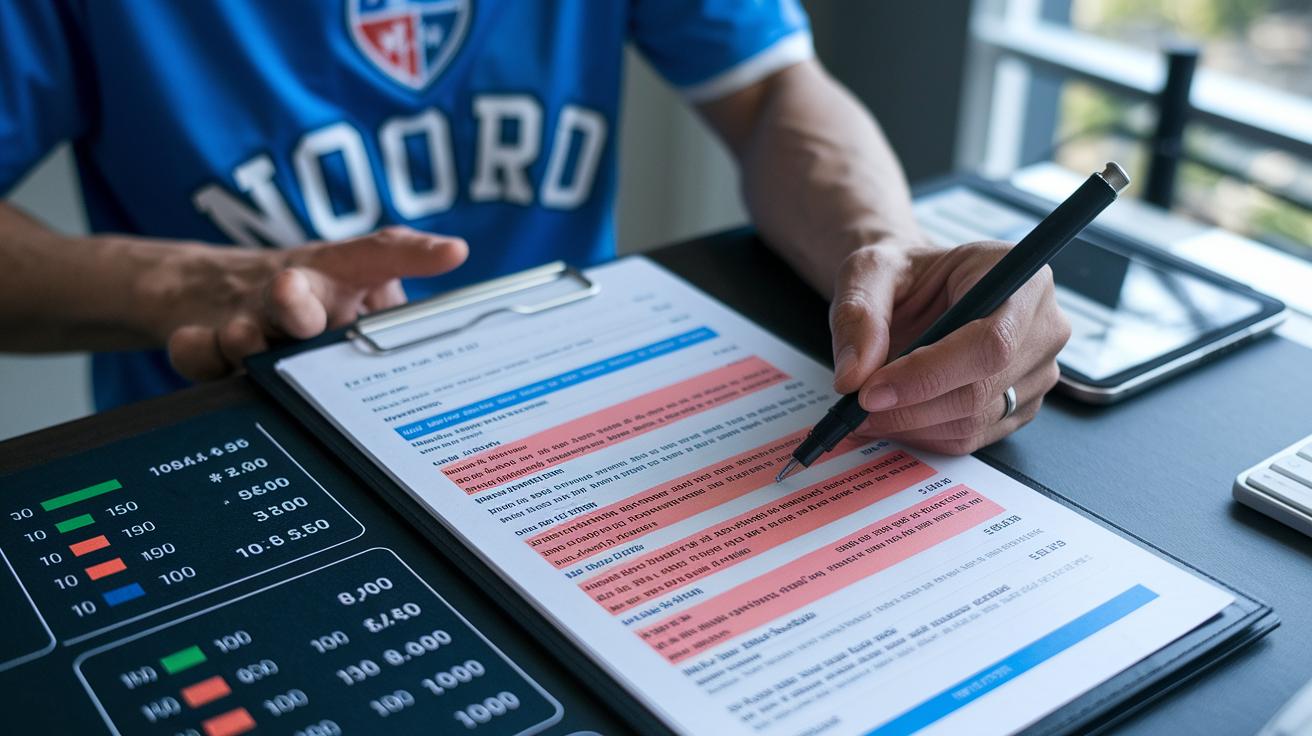
After you finish the interview, it’s time to clean it up and make your story shine. Start by carefully transcribing every word and marking the quotes that burst with feeling, like that moment when a player says, "In that moment, every play mattered." Pair these quotes with key numbers that show the athlete’s journey. It’s like making a highlight reel on paper.
Then, use some fun sports lingo and remember the 5 P’s: performance, passion, power, precision, and persistence. This helps you whip up a headline that grabs your reader’s attention right away. Think of something cool and punchy like, "Passion Ignited: A Game of Precision and Power."
Next, test your draft with a few fans or share it in an online group to see if it feels as thrilling as a last-minute win. Ask them, "Does this capture that heart-stopping moment?" Their feedback can help trim and tighten your story, making sure every line matters.
Finally, send your polished story off to publishers, making sure your layout is simple and clear. Blend those raw, real quotes with strong stats and a headline that explodes with energy. Follow these steps, and you’ll turn your raw interview into a smart, cohesive piece that makes every reader feel like they’re right in the middle of the action.
Final Words
In the action, we've broken down the process of creating engaging sports feature interviews, starting with solid background research, crafting dynamic questions, building vivid narratives, and adding eye-catching multimedia along with post-interview trickery. The guide serves as a playbook for pulling out those authentic, unforgettable athlete moments. Each step aims to turn good interviews into great experiences that fans can feel. Keep the energy high and the stories rolling by focusing on creating engaging sports feature interviews that capture the spirit of the game.
FAQ
Q: What are sports content creator jobs?
A: Sports content creator jobs involve planning and writing stories that capture game action, athlete interviews, and fan excitement, using engaging narratives and multimedia elements to bring the sports world to life.
Q: What is fan engagement in sports?
A: Fan engagement in sports means creating interactive experiences like live Q&A sessions, social media posts, and behind-the-scenes interviews that help fans connect with teams and athletes.
Q: Can you provide fan engagement examples?
A: Fan engagement examples include interactive Facebook posts, digital matchday programs, live fan polls, and in-depth athlete interviews that offer fans exclusive insights into their favorite sports teams.
Q: What does Sports Content Creation LLC do?
A: Sports Content Creation LLC produces dynamic sports articles and multimedia stories that capture live game energy, athlete narratives, and fan excitement, all designed to engage a broad audience.
Q: How do I use fan engagement on Facebook?
A: Fan engagement on Facebook is achieved by sharing live videos, interactive posts, athlete interviews, and polls that invite fans to comment, share, and connect with team updates and behind-the-scenes content.
Q: Why is it important for the NFL and its teams to develop fan engagement strategies?
A: The NFL and its teams need fan engagement strategies to build a loyal community, boost viewership and ticket sales, and create an inclusive atmosphere where fans feel directly involved in the team’s journey.
Q: What are the 3 C’s in sports?
A: The 3 C’s in sports—commitment, communication, and competition—pinpoint key values that drive athlete performance, team success, and the overall excitement during games.
Q: How do I create a sports feature?
A: Creating a sports feature involves thorough research, crafting vivid interview questions, using engaging narratives and quotes, and pairing text with visual and statistical elements to captivate fans.
Q: What are some good interview questions for sports?
A: Good interview questions include open-ended prompts like “What was going through your mind when…?” and follow-ups that explore personal challenges, victories, and behind-the-scenes insights to reveal the athlete’s story.
Q: How do I do a sports interview?
A: Doing a sports interview starts with detailed research, preparing dynamic questions, setting up a relaxed conversation environment, and blending personal anecdotes with game stats to create a compelling narrative.