
Ever wondered how a game can hit you with excitement right from the start? Sports journalism turns a basic match report into a heart-pounding ride using bold openings, vivid metaphors, and surprising stats. Reporters blend in cool twists and down-to-earth details that let you feel every nail-biting moment, almost like you're right there cheering in the stands.
In this post, we break down the storytelling moves that transform cold numbers into real feelings and everyday games into unforgettable adventures. It’s like hearing the crowd roar on game day, filling every line with pure energy.
Essential Storytelling Structures in Sports Journalism
Storytelling turns a regular game report into an exciting adventure. It breathes life into stats and scores, making you feel like you’re right there in the stadium. Great stories go beyond the final score, capturing every struggle, victory, and surge of emotion. Ever heard of that last-second move that flips an expected loss into a legendary win? That kind of twist grabs your attention from the start.
Writers figure out what fans care about and build their narratives around it. They highlight hometown pride, the grit of the underdog, and those nail-biting finishes that keep you on the edge of your seat. They set up a clear arc with a beginning, middle, and end that ramps up the tension and wraps everything up nicely. It’s like listening to a play-by-play that immerses you in every moment of the action.
These storytelling tricks work for both live, heart-pounding game updates and detailed season recaps. When the game is on, reporters dish out quick, vivid updates that match the roar of the crowd. Off the field, longer features mix in backstories and season highlights to keep things fresh and exciting. Constantly tweaking and learning, journalists keep these stories buzzing, making sure each match feels as thrilling as a championship game.
Immersive Storytelling Techniques for Game Coverage in Sports Journalism

Sports reporting isn’t just about words on a page anymore. Nowadays, reporters mix text, images, sound, and video to make you feel like you’re right in the middle of the action. Fans want that live, electric vibe, just like when you’re watching an NFL game, the World Cup, or even the Super Bowl, with every cheer and whistle making your heart race.
Journalists are using a bunch of cool techniques to bring games to life. They add narrative voiceovers that guide you through the most thrilling moments, as if a friend is telling you the story. They also jump on social media, sending live play-by-play updates that pop up like the buzz in a packed stadium. And let’s not forget the sound effects: audio clips bring the roars, whistles, and shouts right to your ears.
Some of the best methods include using real-time infographics that flash player stats and game trends on your screen, interactive fan polls where you can share your take on big calls, and even VR clips that let you view the stadium from every angle. Check out this quick rundown:
| Technique | Description |
|---|---|
| Narrative Voiceovers | A friendly guide walks you through the game’s most exciting parts. |
| Live Social Media Updates | Real-time play-by-play sends the stadium’s buzz straight to your screen. |
| Audio Clips | Listen to the cheers, whistles, and roars that define the game. |
| Real-Time Infographics | Stats and trends pop up live as the game unfolds. |
| Interactive Fan Polls | You can join in and voice your opinion on pivotal plays. |
| VR/360° Clips | Experience the game from every possible angle, up close and personal. |
Mixing these modern techniques with classic reporting turns plain updates into mini live events. Every report aims to do more than just relay facts, it captures the buzz, sweat, and sheer energy of the game. Isn’t it amazing how a well-told story can make you feel like you’re right there on the field?
Athlete Profile Storytelling in Sports Journalism
Athlete profiles let you see the human side of the game. They turn strict numbers and scores into stories that feel personal, like a friend sharing the ups and downs of their favorite player. When you read about a player's hurdles, off-field drive, or community ties, you really feel every win and loss. It’s like hearing an epic tale of struggle and triumph, where raw numbers transform into a story packed with heart.
Mixing stats with personal stories creates a picture that’s both clear and emotional. Start by highlighting the big career moments, these numbers set the stage like the starting whistle of a thrilling match. Then, share stories about tough breaks and surprising comebacks that reveal the real person behind the performance. Picture this: A rising star pushes through major obstacles with hard work and quiet determination. That blend of precise game data and heartfelt insight builds a vivid athlete biography that speaks right to your heart while keeping you in the know.
Data-Driven Storytelling and Statistics in Sports Journalism

Data and numbers can make even an average game recap come alive. When stats are used right, they add a punch of credibility and give each play some context. Imagine reading a recap that not only shares the final score but also breaks down key performance numbers. It’s like hearing the roar of the crowd each time a player makes a move.
| Visualization Type | Use Case |
|---|---|
| Bar Charts for trend analysis | Season Summaries |
| Infographics for key match breakdowns | Fan Guides |
| Interactive Dashboards for live stats | In-game Updates |
Mixing clear visuals with a lively story is key. Think of it like building a winning play, every chart and infographic is a smart pass that drives the action forward. Choosing the right type of visualization can highlight trends that directly affect the game, making even the toughest numbers easy to understand. When stats meet a friendly, energetic tone, complex data turns into an awesome narrative that connects every fan to the heart of the sport.
Creative Feature Story Visualization in Sports Journalism
When you're crafting creative sports stories, you know it's all about choosing angles that really stand out. Instead of just listing game stats, think about digging into the culture or even the money side behind the passion. Imagine capturing the quiet buzz in the locker room before a big play or the happy chaos at a tailgate party. Picture a scene where, right before the whistle blows, fans chat over coffee at a local diner, their voices alive with hope and anticipation. This approach sets up a clear plan for a feature that feels genuine and full of real-life energy.
By mixing in vivid metaphors and sensory details, your words practically jump off the page. Think about the sound of sneakers squeaking on a gym floor, the tang of sweat in the air as the team gears up, and the radiant glow of stadium lights lighting up every fan's face. Imagine a line like, "The stadium lights shimmered like gold, sketching dreams on every face." With this kind of language, you're not just setting the scene, you're drawing your readers right into the heart-pounding atmosphere of the game.
Real-Time Interviews, Fan Perspectives, and Editorial Flair in Sports Journalism
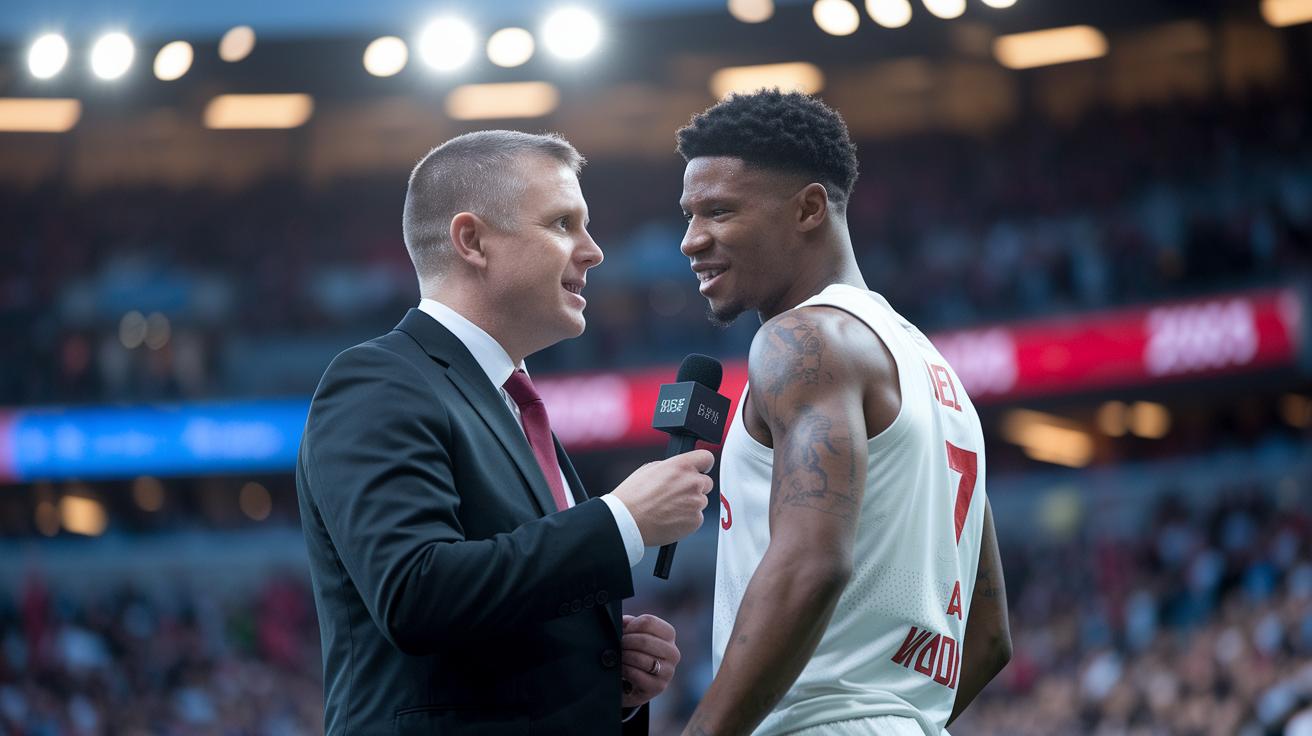
Live interviews with players and coaches bring the game to your doorstep. Reporters grab quick soundbites straight from the field, catching every burst of joy and moment of tension as it happens. It's a lot like chatting with a buddy recounting an unforgettable play, each word paints the thrill and struggle in vivid detail. This approach is the heartbeat of a story, letting you feel the raw energy of every move.
Mixing in direct fan reactions makes the story even richer. Adding social media quotes, live fan polls, and real-time opinions creates a full picture of the action. This blend of on-the-spot commentary and careful fact-checking keeps the report both lively and true. It’s a balanced mix where expert insights meet the crowd’s excitement, capturing the true spirit of the game.
Final Words
In the action, this article showcased how sports journalism transforms live moments into riveting narratives. We highlighted essential storytelling frameworks, immersive game coverage, athlete profiles filled with heart, and the power of data to back every play. It also emphasized the value of innovative visuals and real-time interviews that capture the spirit of every match. Blending these strategies, especially storytelling techniques in sports journalism, crafts articles that energize the reader and celebrate every win. Keep the excitement alive, every game writes its own unforgettable story.
FAQ
Q: What are some storytelling techniques in sports journalism examples?
A: The storytelling techniques in sports journalism examples include using a narrative arc, vivid sensory details, and data-driven insights to bring game moments, athlete profiles, and live action into sharp focus.
Q: How do short storytelling techniques in sports journalism work?
A: The short storytelling techniques in sports journalism work by using direct language, punchy sentences, and sensory details to quickly draw the reader’s eye and capture the energy of the moment.
Q: What are the 5 P’s and 4 P’s of storytelling?
A: The 5 P’s of storytelling include Purpose, Point, Plot, Pace, and Passion while the 4 P’s often refer to Plot, Pace, Perspective, and Personality, essential for conveying game-day emotions and insights.
Q: What are the 5 W’s in sports writing?
A: The 5 W’s in sports writing include Who, What, When, Where, and Why, ensuring every story builds a complete picture of the game with clear context and engaging details.
Q: What are the four types of storytelling in sports journalism?
A: The four types of storytelling in sports journalism include narrative, descriptive, expository, and persuasive styles, each offering a unique way to illustrate plays, profiles, and the overall game experience.