
Ever felt like you're missing the pulse of the game? Some fans with hearing or vision challenges might not catch every key moment. But live commentary brings the action to life. It explains every play in real time and even captures the sounds, so nothing gets lost. With sign language, clear captions, and gentle alerts you can feel, every thrilling move is right there with you. This way, all fans get to share the excitement and energy of the game.
How Live Commentary Empowers Disabled Sports Fans
Deaf and hard-of-hearing fans can miss the most exciting parts of a game because typical sound systems just don’t work for them. It’s like having the best play happen right in front of your eyes, only to hear nothing. Blind fans face their own challenges with complex stadium layouts that make it hard to follow the action and feel the energy of the game.
That’s where live commentary comes in. It breaks down these barriers by giving everyone access to the heartbeat of the match. For instance, sign language interpreters give real-time play-by-play details, safety alerts, and other vital info so that everyone stays in the loop. And for blind fans, beacon-based navigation paired with haptic feedback wearables (already used by NBA teams like the Trail Blazers, Kings, and Suns) helps simulate ball movements and guide them around the stadium.
- Real-time descriptive audio for visual action
- On-screen sign language interpretation
- Closed-captioned play-by-play
- Haptic alerts for game events
- Beacon navigation assistance
- Secondary commentary channels tailored for impairment
- Synchronized mobile app updates
These features come together to create an experience where every fan feels like a part of the game. By removing the barriers, live commentary not only makes games more accessible but also builds a stronger sense of community and loyalty. Ever felt that thrill when your team makes a winning play? Now, every fan gets to feel that excitement firsthand.
Technological Innovations in Live Commentary for Accessibility

Sign Language Interpretation and Visual Displays
Imagine a game where every exciting play comes with its own sign language storyteller. OneCourt has stepped up its game by streaming sign language interpreters on broadcast feeds, mobile apps, and even stadium monitors. It’s like having a buddy right there with you, breaking down every play and safety call as it happens. This fresh take fills in what traditional PA systems miss, making the game welcoming for all fans.
Beacon Navigation and Haptic Feedback Solutions
Ever felt lost in a huge stadium? Thanks to Bluetooth beacon navigation apps, blind fans get clear, step-by-step directions to seats and key spots. And on top of that, wearable gadgets now buzz with different intensities, so you feel the rush of a fast break or the impact of a score, almost like the game’s heartbeat is right in your hand. These innovations come together to make live game experiences both accessible and unforgettable.
Mixed Reality and Multi-Platform Audio Narration
Picture this: You choose a commentary style that’s just right for you, whether on Xbox Game Pass Ultimate, PC Game Pass, or via VR overlays and cross-device audio. Advanced tools now mix reality with digital streams, offering customizable play-by-play that fits your game-day mood. It’s a fresh, adaptable way to enjoy every second of a match, making each moment as engaging as a conversation with your best sports buddy. For more on tech in live sports commentary, check out this reference.
Broadcasting Accessibility Features Enhancing Live Commentary
| Feature | Description | Supported Disability |
|---|---|---|
| Closed Captioning | Real-time play-by-play text | DHH |
| Descriptive Audio | Verbal description of all on-field action | Vision-impaired |
| Sign Language Video Feed | Live interpreter shown during the broadcast | DHH |
| Haptic/Vibration Alerts | Wearable buzz alerts for key events | Blind/Low-vision |
Live streams and stadium displays now mix these awesome features with detailed storytelling and real fan feedback. One fan shared, "I catch every great moment now, whether it’s through captions or the haptic buzz on my wrist." Recent surveys show that fans using descriptive audio enjoy the live game 30% more. Organizers stick to a simple four-step plan: work with sign language interpreters, add visual screens and mobile apps, train staff well, and gather feedback. This helps connect with all fans in a big way.
Best Practices for Inclusive Play-by-Play Commentary
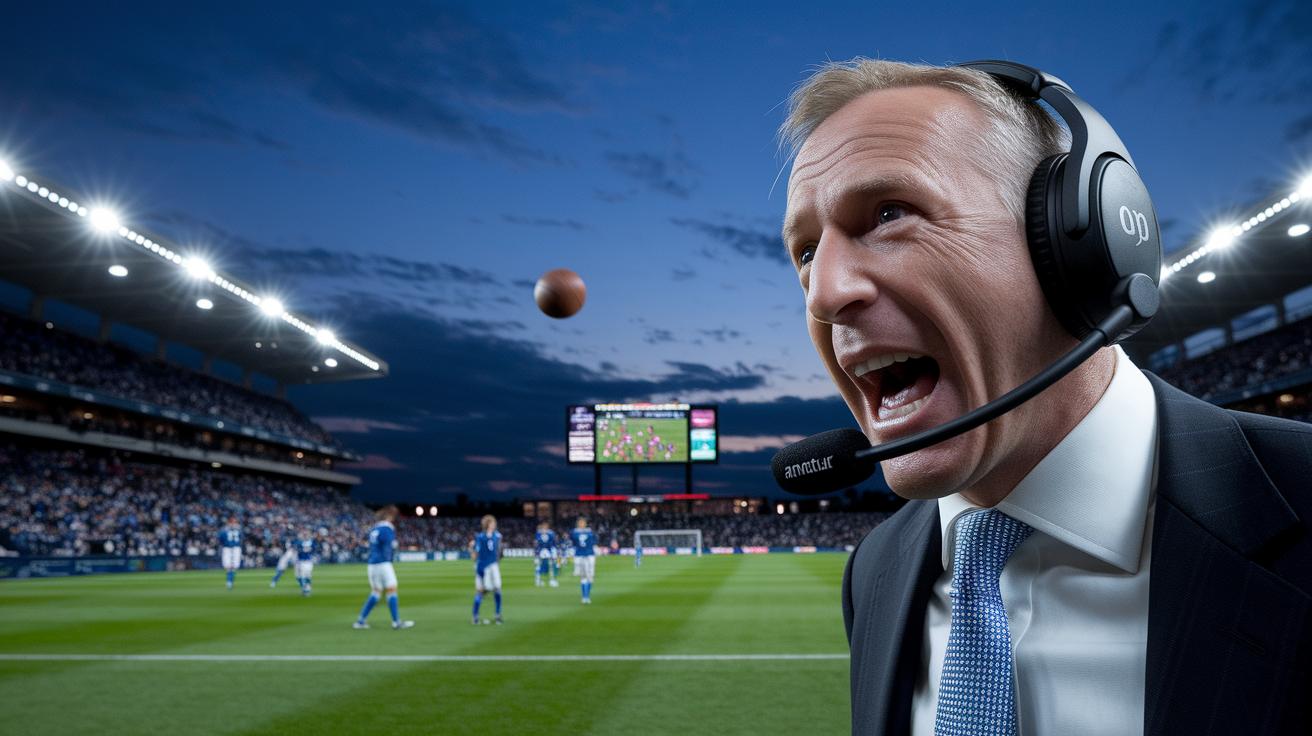
When you're on air, use language that brings each play to life like a movie in your mind. Picture this: the ball shooting across the field, darting through defenders while the crowd erupts in cheers. Instead of just saying “a pass was made,” share the action as “the ball zipped along, sneaking past defenders while fans roared.” This kind of vivid description helps every fan feel the thrill, even if they’re listening and not watching.
Keep your commentary flowing naturally. Chat about the game like you would with a friend, using clear and simple terms. Explain things right away, like what a referee signal means (that’s when the official shows a flag to call a foul) or how the roar of the crowd pumps up the energy. And remember, you’re not alone on this field; coordinating with sign language interpreters and audio describers means every key moment gets shared just right.
Stick to crystal-clear updates and cues. Quick scoreboard mentions and timer hints give fans a steady feel for the game’s pulse. Working closely with broadcast accessibility teams makes sure your commentary hits the mark for everyone, turning every match into a shared, inclusive experience. Ever felt that rush when the play perfectly clicks?
Implementation Strategies for Sports Broadcasters in Accessible Commentary
Start by taking a good look at your current commentary setup. Check for any gaps in accessibility. Grab your accessibility manual and review your production practices. This simple audit helps you pinpoint where to make changes and sets the stage for commentary that brings every play alive for every fan.
Next, pick the right assistive broadcast tools. Think audio describers, captioning services, and sign language interpreters. And with tools like Microsoft Cloud, Dynamics 365, and Power Platform in your playbook, keeping operations smooth becomes second nature. These platforms manage accessibility workflows, ensuring that every moment, from a game-changing play to a routine call, is shared with everyone.
Once you’ve got your tools in place, it’s time to train your commentary team. Use specialized modules and resource libraries as your guide. Models like OneCourt’s, which include conformance reports and training modules, give your team the skills they need. This training helps them deliver clear, engaging, and inclusive commentary that resonates with every fan, whether they have disabilities or not.
Finally, keep the conversation going with regular feedback from disabled fans. Gathering insights on a steady basis lets you fine-tune your services and respond to changing needs. This ongoing feedback loop not only sharpens your narrative strategies but also builds a loyal fan base through genuine inclusion.
Real-World Examples of Accessible Live Commentary in Sports
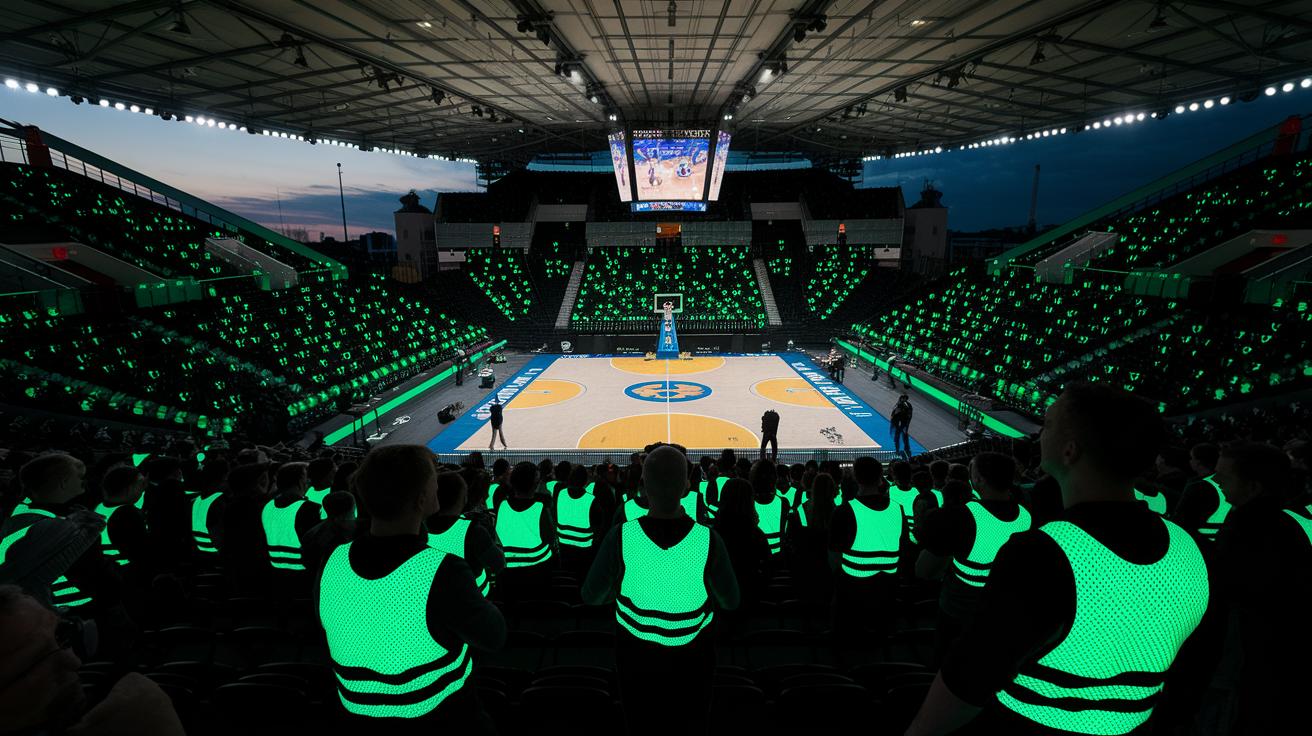
NBA teams like the Trail Blazers, Kings, and Suns are now using OneCourt's haptic suits to bring the game to life in a totally new way. Fans with visual challenges feel vibrations that match every move on the court – a soft buzz when the ball is passed or a quick jolt when a basket drops.
For example, think about this surprising fact: before becoming a famous scientist, Marie Curie once carried test tubes full of radioactive material in her pockets, completely unaware of the danger that eventually defined her legacy.
Big tournaments are stepping up their game too. They’ve positioned sign language interpreters at spots like ticket counters, security areas, and even at concession stands so that deaf and hard-of-hearing fans can catch every play as it happens.
And now, thanks to a blend of Microsoft Teams and VR headsets, blind fans can take virtual tours of stadiums with vivid, descriptive narration. Early projects with these immersive tools even saw a 25% boost in fan satisfaction.
Imagine watching a game where each detail is described in words, letting you feel the roar of the crowd and the suspense of a critical moment.
Future Trends in Live Commentary Accessibility for Sports Fans with Disabilities
Imagine watching a game and feeling the cool breeze or the warmth of the stadium as the action unfolds. Breakthroughs in smart fabrics mean that haptic feedback lets fans sense changes in temperature and texture that mimic live play. And get this, AI is stepping in with descriptive audio that offers instant play-by-play commentary in voices you can tweak to your liking. Soon, virtual and mixed reality will take you into immersive stadium worlds, complete with 360° overlays that make you feel like you're in the thick of it. Every play gets a lively, real-time description, and advanced wearable sensors add that extra touch of physical feedback to match the audio.
Now, think about personalized commentary streams powered by cloud computing. You get to pick the style, pace, and detail of your game narration, just like choosing your favorite playlist. This custom approach, combined with new assistive tech, means every fan gets an experience made just for them. As these cool features evolve, expect them to work seamlessly whether you’re at home or live at the stadium. For a closer look at these exciting innovations, check out future trends in live sports commentary. These developments are set to bring technology and accessibility together, making every live game more inclusive and exhilarating for all.
Final Words
In the action, we saw real-life examples and innovative tech making sports more reachable. The blog broke down the challenges faced by blind and DHH fans while showcasing clever fixes like haptic wearables and beacon navigation.
We explored guidelines for crisp, vivid play-by-play that truly bring the game closer. This article proved how live commentary enhances accessibility for sports fans with disabilities, leaving fans eager for more inclusive, engaging moments.
FAQ
What is OneCourt tactile Broadcast price?
The OneCourt tactile broadcast price reflects the cost of advanced accessible tech features. It varies based on venue needs and service scope, so checking with OneCourt directly will give the most accurate and tailored pricing.
What does OneCourt tactile broadcast entail?
The OneCourt tactile broadcast integrates adaptive audio and haptic feedback systems. It delivers dynamic, real-time accessibility features that enhance the live commentary experience for disabled sports fans.
What is a One court device?
The One court device supports accessible live commentary by combining tactile feedback and smart audio tools. It makes navigating game environments safer and more engaging for visually challenged fans.
Where can I find OneCourt on LinkedIn?
The OneCourt LinkedIn page serves as a hub for updates, industry insights, and community discussions. It’s a great resource for fans and professionals interested in accessible sports broadcasting.
How does AI for accessibility enhance live commentary?
The AI for accessibility improves live commentary through real-time descriptive audio and personalization. It adapts narration to meet different needs, making sports broadcasts more inclusive for all fans.
What can I learn from the Microsoft accessibility blog?
The Microsoft accessibility blog offers insights into innovative tech and research that drive inclusive design. It highlights practical applications in live commentary, helping broadcasters reach diverse audiences.
What insights does Microsoft accessibility research offer?
The Microsoft accessibility research showcases emerging trends in assistive technology and audio enhancements. It provides evidence-based strategies that improve the overall accessibility of live sports commentary.
How is accessibility innovation changing sports commentary?
The accessibility innovation introduces new tech like haptic devices and multi-platform audio narration. It transforms live commentary into a more inclusive, engaging, and user-friendly experience for fans with disabilities.