
Ever wonder if your love for sports could kickstart an exciting new career on air? Today, sports broadcasting is more than just calling plays, it’s about feeling every moment of the game, whether you’re on screen or working behind the scenes.
Big networks and local stations are on the lookout for fresh talent. They need upbeat reporters and savvy tech pros who can bring the energy of game day to every story. This article shares insider tips and real strategies to help you dive into a career where every day buzzes with excitement.
So, are you ready to turn that passion into a winning career?
Sports Broadcasting Career Opportunities: Current Job Listings and How to Apply
Major networks like ESPN, Fox Sports, NBC Sports, and NFL Network are always on the lookout for fresh talent. Local outlets and corporate sports teams offer a mix of roles too, from on-air reporting to behind-the-scenes production for live shows. Pro tip: set up job alerts on trusted sports job sites so you never miss a new posting.
Tailor your cover letter to fit each network's vibe. For example, show off your passion for sports and your knack for live events, just like narrating a thrilling play to a cheering crowd. This personal touch can really set you apart during the hiring process.
Many job boards let you filter listings by location and role, helping you zero in on opportunities that match your career dreams, whether you're after a big national network or a local sports channel. Plus, specialized sports broadcasting job sites often list unique gigs, from studio hosting to tech support during live broadcasts.
Always read job requirements carefully, and revise your resume to highlight skills like quick decision-making, on-camera presence, and technical expertise. Using smart filters and setting alerts can make sure you're first in line when that perfect opportunity comes around.
Entry-Level Sports Broadcast Careers and Internship Pathways

Getting your start in sports broadcasting is like diving straight into the heart of the game. You gain real, on-the-field experience that can catapult you into a thriving career. Whether you're working as a production assistant making sure every camera shot is spot on or as a sideline reporter intern catching the live reactions of fans, you'll feel the rush of excitement, kind of like when your team hits a buzzer-beater.
Internships come from all kinds of places, from local TV stations and regional sports networks to university athletic departments and fresh digital startups. Each opportunity builds your portfolio and sharpens your behind-the-scenes or on-camera skills. Picture this: as a sideline reporter intern, you may capture those electric moments during a nail-biting finish, an experience as thrilling as scoring that game-winning goal. Deadlines vary, so it pays off to keep a close eye on job boards and submit a strong portfolio with clips, samples, or even your creative sports commentary. And don’t forget, networking is golden, attend virtual panels, join sports media groups, or connect on platforms like CollegeSports.jobs. It’s a great way to link up with thousands of industry pros ready to cheer you on.
On-Air Sports Broadcasting Roles: From Reporter to Play-by-Play Announcer
Field reporters are the boots on the ground, plunging into live events to capture every heart-racing moment and crowd reaction. They bring you quick updates with clear, vivid detail like, "The stadium exploded when the player dashed toward the end zone!" It’s like having a friend right in the middle of the action, telling you exactly what’s happening.
Studio hosts keep the conversation flowing with warmth and energy. They mix analysis, expert opinions, and viewer comments to make sure you feel like part of the game. Imagine a host saying, "The lead just changed in a flash, stick around for more insights!" Their friendly banter makes every moment feel exciting and easy to follow.
Color commentators add a layer of fun and deep insight by breaking down each play. They explain the strategy behind moves, making sure you get what’s happening on the field. For example, when a commentator points out that a pass was perfectly timed to set up an attack, they help you see the game like never before.
Play-by-play announcers are the heartbeat of the broadcast, narrating the game in real time with energy and clarity. Their crisp commentary makes you feel every pass, shot, and goal. Want to learn the tricks of the trade? Check out resources like “how to write engaging live sports commentary” (https://muleforce.com?p=1893) for tips on delivery, scripting, and keeping your audience hooked.
Every on-air role needs strong vocal stamina, technical know-how, and the ability to roll with the fast pace of the game. Each part of the broadcast team charts a path from local highlights to national stages, making the experience as dynamic and lively as the sports you love.
Behind the Scenes of Sports Broadcasting: Production, Technical, and Support Positions
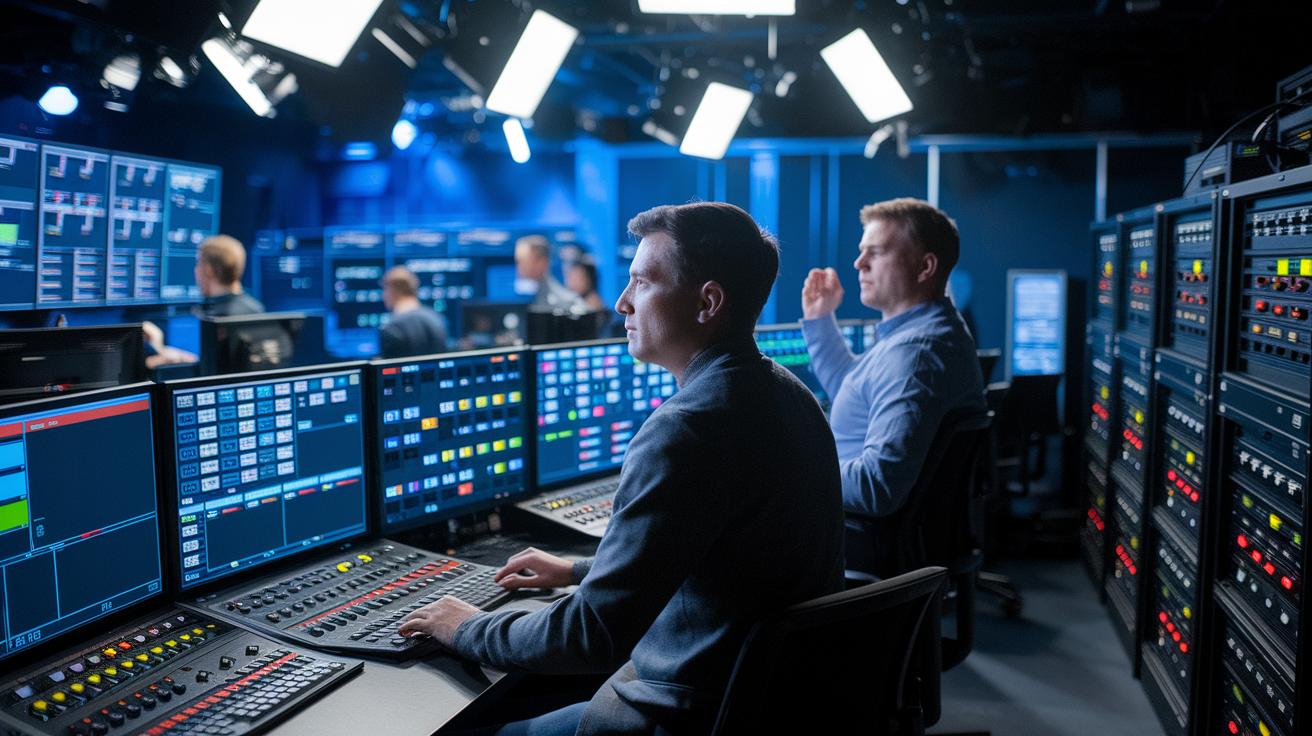
Producers are the unsung heroes who keep every broadcast running smoothly. They work behind the scenes, coordinating teams, managing scripts, and following tight schedules so that every moment in the live event hits just right. When the action heats up, they use tools like ENPS to keep updates flowing in real time. It’s their quick thinking and detailed planning that set the stage for an incredible show.
Technical directors are like the playmakers of the broadcast world. They take creative ideas and turn them into a visual masterpiece. By running camera feeds and operating switchers, they make sure the scene changes are as smooth as a perfect pass. Using systems such as EVS and Ross Video (which are high-tech tools for live replays and cuts), they craft a visual story that pulls you right into the game.
Graphics operators add that extra spark by popping on-screen stats, animations, and score updates so fans can easily track the play. They work with special graphic software to keep everything clear and eye-catching. Imagine a sudden game-changing play – a graphics operator can quickly adjust the display to show just what matters, keeping you in the loop with every numerical update and cool visual effect.
Audio engineers and replay operators are just as essential to the team. Audio engineers mix the sounds of the crowd, commentary, and the stadium to make sure every cheer and call sounds perfect. Replay operators capture those unforgettable moments and quickly cue up replays, making sure each key play gets its spotlight. Both roles require a mix of training and on-the-job learning to handle the high-pressure moments that make live sports so thrilling.
Qualifications, Education, and Skills for Securing Sports Broadcasting Jobs
A solid academic background jumps you right into the sports broadcasting arena. Teams often favor candidates with a degree in journalism or communications. Boost your game even further with courses in broadcast journalism and audio engineering workshops. Think about it, a short course in field production gives you hands-on practice that no textbook can match, much like the thrill of live, heart-pounding commentary during a big game.
If you're looking to sharpen your on-air presence, specialized classes in voice-over techniques are a great play. These courses teach you how to hook the audience with every play and every moment on the field. You'll get practical tips, like speaking clearly and weaving an engaging story, so that every word you say makes the game come alive.
Your resume is your highlight reel. A top-notch digital portfolio paired with a demo reel can really set you apart. Employers want to see clips that prove you can handle the fast pace of live broadcasting while keeping your cool. It’s not just about showing off technical skills, it’s about running a dynamic showcase of your journey and passion for the game.
Key pointers for your resume include:
| Focus | What to Include |
|---|---|
| Academic Credentials | Your degree in journalism or communications and any related certifications |
| On-Air Skills | Examples of clear, engaging commentary and technical expertise |
| Demo Reel | Show clips that capture your ability to broadcast live events |
Bridging classroom knowledge with the real-time excitement of live sports is your winning strategy. It’s that blend of education and on-the-field experience that lets you craft commentary that’s both clear and electric, exactly what this fast-paced industry demands.
Sports Broadcasting Salary Overview and Career Growth

Starting out in sports broadcasting, junior reporters and production assistants usually earn between US $40K and $55K. It’s like stepping onto the field for the first time, where every play matters and you’re learning the ropes in a fast-moving, live setup.
As you gain experience, mid-level reporters and analysts start to see salaries from US $55K to $80K. Think of it as moving from the bench into a starter position where your skills sharpen and you take on more responsibility, kind of like moving up from a warm-up role to being in the spotlight during the game.
Seasoned play-by-play announcers, who are famous for their energetic and clear commentary, often pull in over US $150K. The size of the market matters too. Big networks in larger cities usually offer higher pay, especially when every moment of a live game triggers quick, electric reactions. And remember, live broadcasts require you to think on your feet, which can boost your earnings even more.
There’s a clear career ladder here. For example, an assistant producer can work hard and climb the ranks to senior producer, or even land a job as a network executive. Check out the quick snapshot below for a breakdown of salary ranges by career level:
| Job Level | Salary Range |
|---|---|
| Entry-Level | US $40K–$55K |
| Mid-Level | US $55K–$80K |
| Veteran | US $150K+ |
With commitment and real game-day passion, there’s plenty of room to grow in athletic media. Ever felt that excitement when your team climbs the leaderboard? That’s the vibe here, too!
Networking, Job Hunting, and Interview Preparation for Sports Broadcasting
When you're immersed in the high-energy world of sports broadcasting, connecting with industry insiders is a game-changer. The premium talent network is like your playbook, linking you to over 7 million candidates and 1,500+ top employers. With 20,000 hires every year and 93% of sports pros favoring network members, it’s clear, you want to be part of that lineup.
Here are some winning strategies:
- Join groups like NABJ, ABCA, or Sports Video Group to connect with established networks.
- Dive into LinkedIn communities focused on sports broadcasting to swap insider tips.
- Attend job fairs and virtual panels (there are over 70 on the schedule) so you can meet hiring managers face-to-face or online.
- Jump into broadcast mentorship programs to gain hands-on advice from seasoned professionals.
- Craft a cover letter that shouts passion and technical know-how, just like setting the scene for a live play.
- Practice common interview styles, including on-camera mock segments, to stay cool under pressure.
These moves not only set you apart in a crowded field but also put you in the spotlight. Ever felt that rush when you nail an interview? That’s the vibe to chase as you push your career forward.
Remote and Freelance Opportunities in Sports Broadcasting
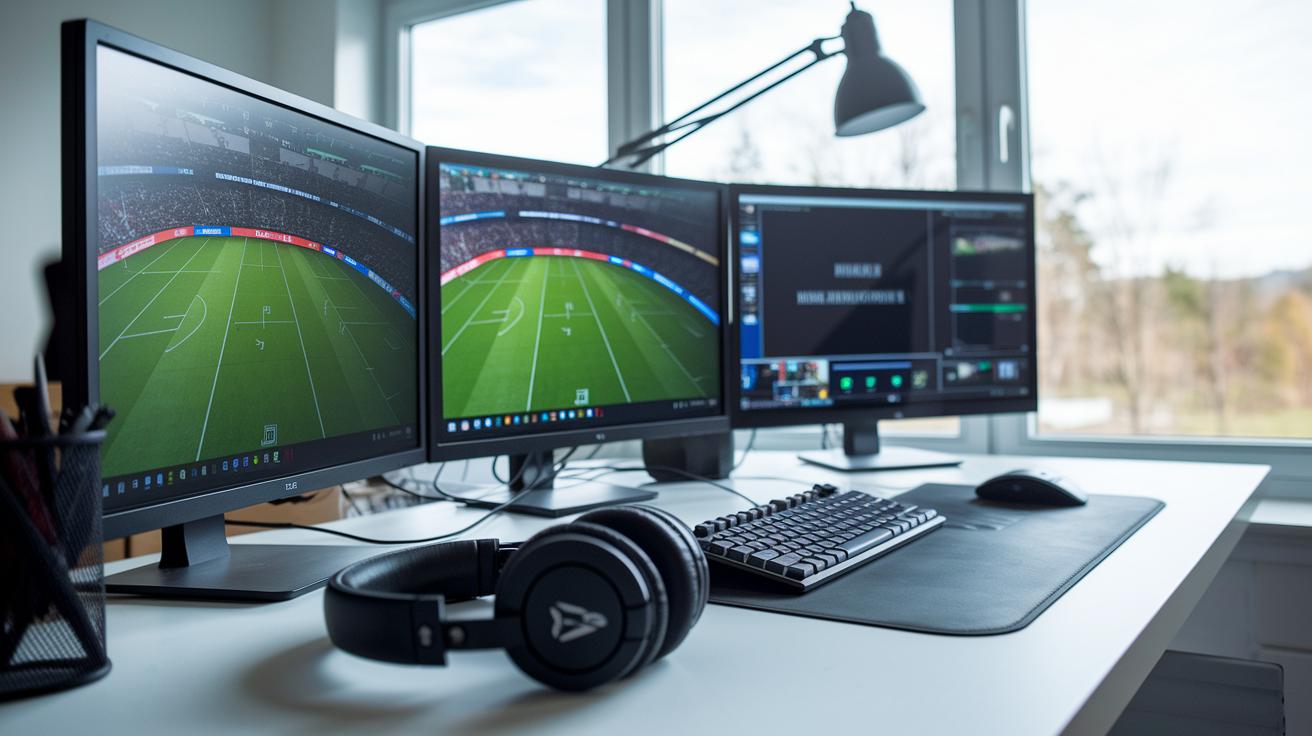
Digital sports broadcasting jobs are growing quickly. You can now work as a remote play-by-play announcer calling live action, host a podcast on your own, edit game highlights in the cloud, or manage social media live streams. It’s all about catching those epic moments while working from anywhere.
First things first: a solid home setup is a must. You’ll need gear like OBS for video production, Slack to chat with your team, and Zoom for virtual meetings or interviews. These tools help keep your broadcast top-notch so fans get the same thrill as being at the game.
As a freelancer, check out sports media platforms like specialized networks, Upwork, or Voices.com. They’re great spots to find projects that match your skills and schedule, almost like having your personal scouting team at your fingertips.
Take a look at these roles:
- Remote play-by-play announcers call live games and keep the energy high.
- Freelance podcast hosts serve up fresh, engaging sports commentary.
- Cloud-based highlights editors quickly chop and change game clips into digital magic.
- Social media live-stream coordinators keep fans updated with action as it happens.
All in all, flexible work in sports is changing the game. It opens up awesome career paths for anyone ready to dive into virtual sports broadcasting.
Final Words
In the action, this post broke down every play, from entry-level internships and on-air roles to behind-the-scenes jobs and exciting remote opportunities. It shared tips on crafting standout cover letters, building networks, and stepping up your game in jobs in sports broadcasting. The guide highlighted salary ranges, career growth, and how each role fits like a perfect pass on the field. Keep pushing forward and enjoy the thrill of the sports media arena!
FAQ
What jobs in sports broadcasting are available for those with no experience?
The sports broadcasting jobs without experience include entry-level roles like production assistants or interns. These positions help you build skills and a demo reel, kickstarting your career in the industry.
What is the typical salary for sports broadcasting jobs and how much do sports broadcasters make?
The sports broadcasting salary ranges from around $40K for entry-level roles to over $150K for veteran on-air talent, varying by market size, role type, and individual experience across the industry.
What opportunities exist for remote jobs in sports broadcasting?
The remote jobs in sports broadcasting include freelance podcast hosting, remote play-by-play announcing, and digital media roles. A reliable streaming setup and tech know-how are key to thriving in these positions.
How can a sports broadcasting degree help in a broadcasting career?
The sports broadcasting degree builds a strong foundation in journalism, communications, and technical production. It equips you with the skills needed to secure internships and entry-level roles, paving the way for advancement.
What are the benefits of sports broadcasting internships and college sports broadcasting jobs?
The sports broadcasting internships and college jobs provide hands-on experience, a chance to network, and opportunities to create a solid demo reel, all of which are vital for moving into full-time broadcasting roles.
What careers exist in sports media and broadcasting?
The careers in sports media range from on-air roles like reporters and analysts to behind-the-scenes positions such as producers and technical directors, offering a variety of pathways depending on your skills and interests.