
Ever wonder if our favorite sports stars get paid way more than most of us? Picture this: a pro athlete earning about $11,000 every minute while a regular worker brings home around $30,000 in a whole year. That’s a mind-blowing gap that makes you pause and ask, is it really fair?
Let's dive in. We'll chat about the power of market forces, the short lifespan of an athletic career, and those huge crowds fueling the game-day buzz. Ever felt that surge when your team scores? Join me as we break it down and find out what really makes these salary numbers climb so high.
Evaluating Athlete Compensation: Are Athletes Overpaid?
Have you ever stopped to think about how athletes earn their money? In a game, a pro athlete might make as much as $11,000 per minute, which is utterly wild compared to city workers, janitors, or factory staff earning just $30,000 to $40,000 a year. It sounds unbelievable, but it all comes down to market forces and the excitement fans bring in every time they watch their stars in action.
Market dynamics play a huge role in these enormous salaries. Think about the flood of cash that sports generate, ticket sales, broadcast deals, and even merchandise sales add up quickly. This is why the pay checks are so huge; after all, these athletes are the ones who reel in the fans and sponsors we all love to see. Consider the key factors:
- Television and media rights (broadcasting deals that bring in big money)
- Ticket and merchandise revenue (fans buying their favorite team’s gear)
- Short career span and physical risk (a rapid career that takes a toll on the body)
- Global fan demand (millions tuned in and cheering every move)
- Endorsement and licensing deals (brands paying top dollar for a winning image)
At its core, this debate pits our ideas of fairness against the economic realities of pro sports. Many believe that everyday heroes in essential roles should earn more, while the sports industry argues that the high risks, brief careers, and huge revenue streams literally demand these mega paychecks. So, is the market just rewarding show-stopping performances, or are athletes raking in too much compared to more conventional jobs? It’s a question that keeps stirring up conversations among fans and critics alike.
Historical Trends in Athlete Salaries

Back in the 1970s, pro athletes were earning way less than they do now. In 1970, for example, NBA players made about $100,000, hardly enough to compare to today's figures. TV deals were just starting to make waves, and a growing fan base slowly helped boost those earnings.
Then, starting around 2000, the game really changed. Big TV contracts and digital rights deals swept in and turned up the heat, pushing athlete salaries into the multi-million-dollar range. Imagine a team scoring that game-winning goal, the excitement and energy are on full display when media exposure creates huge revenue streams for sports leagues.
And here’s another key play: collective bargaining. The NFL's players' union, which kicked off its first big deal back in 1968, set the stage for smart revenue-sharing moves. Over the years, these agreements brought in minimum salary guarantees and profit-sharing strategies, much like a winning play that turns the game around. It’s all about mixing tough negotiations with market power to reshape the financial game plan in sports.
Comparing League Salaries: Market Value of Players
Sports money and player pay go hand in hand. When leagues pull in huge sums from TV deals, sponsors, and ticket sales, they can dish out big salaries to their stars. In 2023, NBA players averaged about $8.3M, while NFL, MLB, and NHL players earned roughly $2.7M, $4.4M, and $2.9M each. Top contracts ramp up the excitement, with NBA deals hitting around $50M a year, NFL and MLB stars nearing $45M, and NHL players getting around $12M annually. It’s simple: more league revenue means more cash for the players, even when spending limits step in.
| League | Avg Salary | Max Salary | 2023 Revenue |
|---|---|---|---|
| NBA | $8.3M | $50M/year | $10B |
| NFL | $2.7M | $45M/year | $18B |
| MLB | $4.4M | $45M/year | $10B |
| NHL | $2.9M | $12M/year | $5B |
When you break it down, the balance between money coming in and salary limits shapes how much stars earn. The NFL, raking in around $18B, keeps spending in check with a cap of $224.8M. Meanwhile, the NBA, with a cap of $136.6M, uses its global fan base and steady media deals to offer higher individual salaries. Ever wonder why some leagues pay more? It’s all about the mix of huge revenues and controlled spending, fueling ongoing debates about fairness and market value.
Worker Earnings vs Athlete Pay
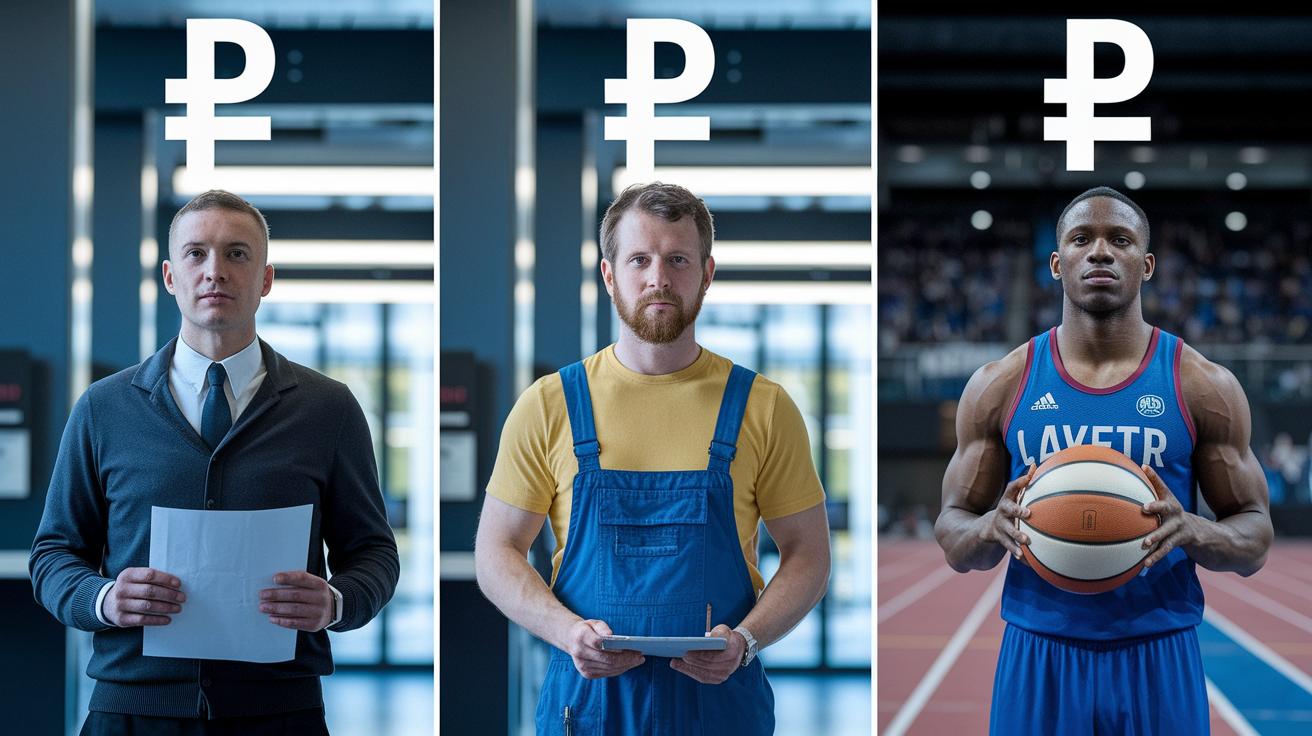
Ever notice how everyday jobs hardly compare to the big bucks that sports stars score on the field? Check it out: a city worker makes roughly $35,000 a year, a janitor earns about $29,000, and a factory worker brings in close to $38,000 every year.
Now, flip the script for the athletes. They can earn an eye-popping $11,000 every single minute and around $660,000 each hour. It really makes you stop and wonder, how can a short burst of action net so much while essential workers battle with modest pay?
Role of Endorsements in Athlete Earnings
Top athletes often score big off the field with deals that sometimes outdo what they earn on game day. In 2023, LeBron James pulled in about $55M from sponsorship deals, and Serena Williams earned around $30M, partnering with giants like Nike, Adidas, and Gatorade. These deals come from an athlete’s strong image and massive social media following, making endorsements a major part of sports contracts. They mix in bonuses, revenue sharing, and performance rewards to show how sponsorships really impact an athlete's pay.
Brand appeal, worldwide presence, and digital buzz are the driving forces behind these fruitful contracts. Companies team up with athletes not only for their on-field skills but also for the vibe they bring off the field. Social media blasts their messages to millions of fans, which boosts product awareness. This kind of exposure makes athletes perfect ambassadors for brands, lifting product visibility while padding their own pockets. Clearly, these off-field deals aren’t just extra bonuses, they’re a core piece of an athlete’s paycheck and are reshaping the business of sports.
Fairness and Ethical Considerations in Athlete Pay
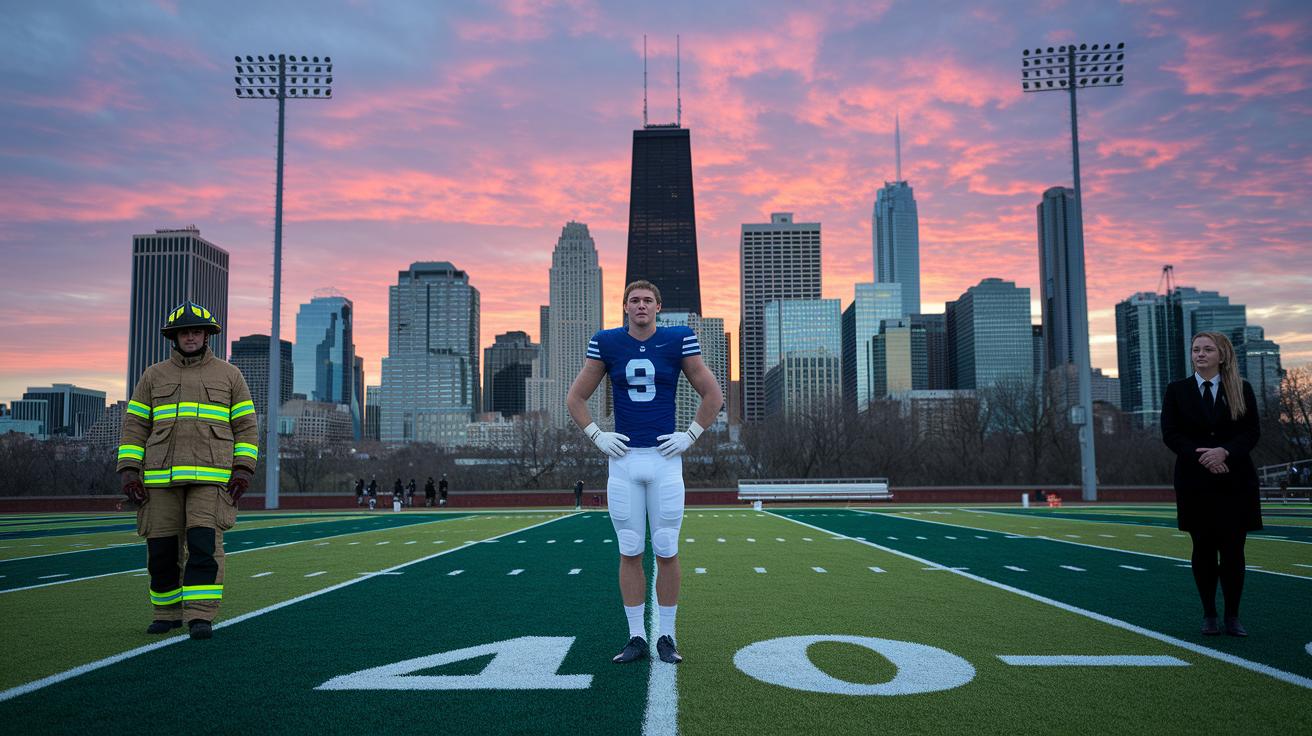
Critics say high pay for athletes leaves everyday workers feeling left out. Picture this: a star football player earns millions in one season, while a local worker gets only a fraction of that. Many wonder if it feels fair that someone playing a game for a living makes so much more than someone who keeps our streets safe or our schools running. This issue really taps into old and deep questions about fairness and social gaps.
On the flip side, supporters argue that the numbers come from the market. They point out that athletes face special risks, shorter careers, and huge pressures. These factors make bonus payments and big contracts from ticket sales and TV deals seem fair. One opinion piece from September 28, 2025 even suggested that athletes earn every dollar because they drive such big revenue. Plus, players' unions set minimum pay to ensure that even the lesser-known players get a fair wage for all the risks they take.
Future Outlook: Salary Caps and Market Forces
Big changes are on the horizon for how teams spend their cash. The NFL cap is expected to climb by about 5% in 2024, meaning teams will need to rework their budgets. Meanwhile, the NBA has brought in luxury taxes – think of it as a spending penalty to stop teams from overloading with expensive stars. Plus, new global media deals are adding extra dollars, all of which will shape future player pay and put a cap on ballooning salaries.
Tech is shaking up contract decisions, too. Teams now lean on hard stats and performance metrics to judge how much a player is really worth. Picture assembling a puzzle where every key play, injury chance, and game-changing moment counts. This fresh approach stops teams from making deals that don’t line up with a player’s true value, giving both fans and teams a clear view of why salaries are set the way they are.
All that extra cash from media deals now meets stricter spending rules. Teams have to balance these new funds with tighter cap limits, keeping their game plans smart and steady in a constantly shifting market.
Final Words
in the action, we broke down the pay gap, compared league salaries, and weighed ethical and market forces that drive sports compensation. We also looked at key revenue drivers like media rights, ticket sales, and endorsements in clear, engaging snapshots. The analysis moved from historical trends to future outlooks while questioning fairness in today’s sports world. All this makes us wonder, are athletes overpaid? It leaves us with a clearer view of the numbers and the passion behind every play.
FAQ
Q: Are athletes overpaid as discussed on Reddit, in articles, and academic essays?
A: The discussion on whether athletes are overpaid focuses on opinions from social media, articles, and academic essays that challenge if athletes earn more than their performance merits justify.
Q: What are the common reasons athletes are deemed overpaid or not overpaid?
A: The debate highlights that high salaries reflect factors such as media rights, endorsement deals, short career spans, fan demand, and performance incentives, while critics argue many contracts do not match value delivered.
Q: Why do athletes get paid so much money?
A: The high pay for athletes is driven by massive broadcast deals, ticket sales, global merchandise revenue, and the high risk of injury in a short, intense career that demands top performance.
Q: What sport is often claimed to have the most overpaid players?
A: Some fans argue that basketball, particularly in the NBA with its large contracts and high media exposure, leads debates on overpayment, though opinions vary depending on performance and market dynamics.
Q: Who is considered the biggest overpay in NBA history?
A: The title for the biggest NBA overpay is debated among fans and analysts, with some high-profile contracts often cited when expected performance did not meet the multi-million dollar deal’s promises.
Q: Why are Olympic athletes not paid like professional sports players?
A: The payment difference arises because Olympic athletes typically compete under amateur status rules, with the focus on honor and representation rather than contractual salary negotiations seen in professional leagues.