
Ever wonder if one smart piece of advice could totally flip your game? Picture this: a coach and an athlete, working side by side, building trust with every word. When a coach gives clear, honest feedback, it’s like a spark that lights up every practice.
That simple push helps athletes break through their limits and step up in big ways. In this piece, we dive into how that real connection can turn everyday training into field-winning moves. Isn’t it wild how a little teamwork can make all the difference?
Fundamental Dynamics of the Coach and Athlete Partnership
Studies since the early 2000s show that the connection between a coach and an athlete is more than just drills and workouts. It’s built on open talk, trust, and shared dreams. Think about it, when a coach’s pointed feedback turns an ordinary practice into a breakthrough moment. Ever had that spark after one great piece of advice?
Coaches aren’t just trainers; they’re friends, teachers, organizers, and even competitors who learn alongside you. Their main job is to help athletes hit goals they once thought out of reach, mixing solid training with a personal touch. This approach not only boosts performance but also makes the message clear and easy to connect with.
Winning teams are made through strong bonds and real mentorship. Coaches share stories from past workouts and key matches, shaping strategies that feel personal. This open exchange creates an atmosphere where feedback flows freely, encouraging every athlete to push their limits and turn potential into real victories.
Fostering Trust and Communication in Coach and Athlete Teams

When a coach and an athlete have open talks and clear goals, trust grows fast. Every chat builds the bridge that stops mix-ups and makes sure both sides really get what the other means. Honest words during practice can spark breakthroughs, even when the pressure’s on.
Regular check-ins and sharing feedback create a safe zone for ideas and feelings. When coaches open up with their own stories and set common goals, athletes squash their doubts and build up their confidence for every game.
- Active listening
- Scheduled one-on-one check-ins
- Transparent goal-setting
- Constructive feedback
- Awareness of body language
Using these methods can turn everyday chats into game-winning plays. Listening carefully helps coaches catch subtle hints, while one-on-one meetings let them get timely insights. Clear goals guarantee that everyone is on the same page, and honest feedback fixes small issues before they turn into big problems. Awareness of body language fills in the gaps that words sometimes miss. With every conversation, the coach and athlete create a strong bond that boosts performance and turns challenges into wins. This kind of open communication not only improves game-day choices but also builds confidence and unity off the field.
Crafting Individualized Training Plans for Coach and Athlete Success
Coaches work side by side with athletes, building training plans that capture every bit of their history, from past workouts to races and even recovery routines. It’s like assembling a playbook where your personal journey meets a custom-made strategy. Imagine piecing together a winning game plan based on your own experiences.
And here’s the cool part: coaches don’t just crunch numbers for the sake of it. They look at race times, training loads, and recovery trends, adding context so every stat tells a story. Ever notice how a single detail can shift how you see your progress? That’s the magic of making every session count.
Regular check-ins keep things fresh. Coaches keep an eye on trends and chat about what’s working and what needs a tweak. They adjust workouts on the fly to boost your strength and endurance. With data-driven techniques in play (more info here: https://muleforce.com?p=1885), coach and athlete team up, making every training decision a step toward real progress.
Monitoring Progress and Performance Feedback in Coach and Athlete Relationships
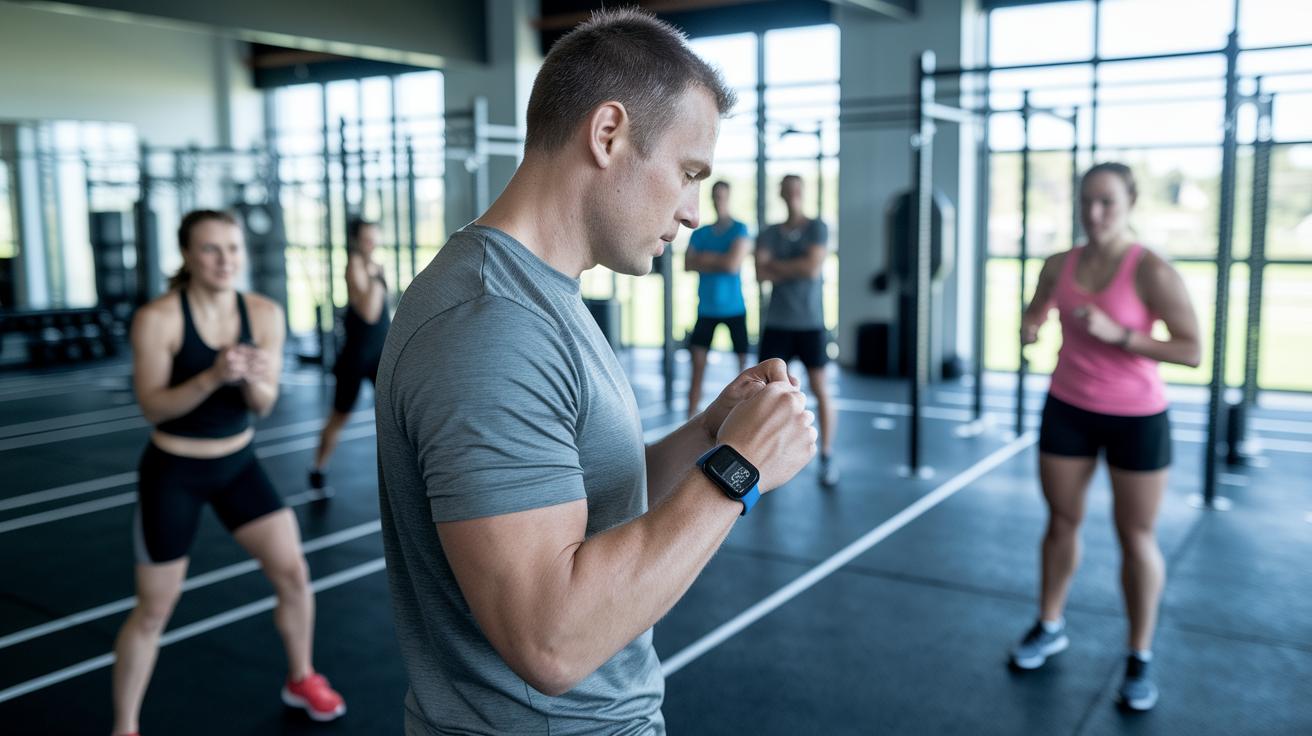
Wearable gadgets like the Polar Vantage M3 give coaches instant updates about training load, sleep quality, and recovery. This cool technology lets teams see exactly how an athlete is doing, skipping the guesswork and letting them adjust drills quickly.
Imagine this: a coach gets a signal that even a small dip in recovery might mean it's time to change the workout. The data speaks for itself, enabling coaches to switch up plans on the fly without relying on old routines.
This fresh tech turns raw numbers into clear, on-the-spot instructions. It’s like having a playbook that updates during the game, ensuring every change fits the athlete’s current state.
By using real-time monitoring, coaches bring innovation to performance feedback, making each training session tailored and dynamic, just like the game itself.
Motivational and Mental Health Strategies for Coach and Athlete Growth
Coaches fuel an athlete's strength by mixing clear, supportive chat with smart sports psychology techniques. These methods, like using mental imagery exercises to focus and boost confidence, turn each training session into a playbook for overcoming nerves and keeping a winning outlook.
To reduce anxiety, coaches often offer simple, step-by-step directions paired with vivid visualization. Imagine a coach describing the perfect play scene by scene, giving athletes a chance to see each move before it unfolds. That clear picture helps calm jitters and builds a strong, confident mindset for those high-pressure moments.
Rest and recovery are just as important. Regular breaks, planned recovery sessions, and friendly check-ins create a space for players to recharge both physically and mentally. This balance not only eases stress but also shows athletes they’re truly valued.
By blending motivational talk with effective mental health strategies, coaches create an environment where every player can thrive. Focusing on both body and mind gives athletes the strength to face challenges head on, turning mental clarity and a driven spirit into game-winning performance.
Frameworks and Tools to Strengthen Coach and Athlete Relationships
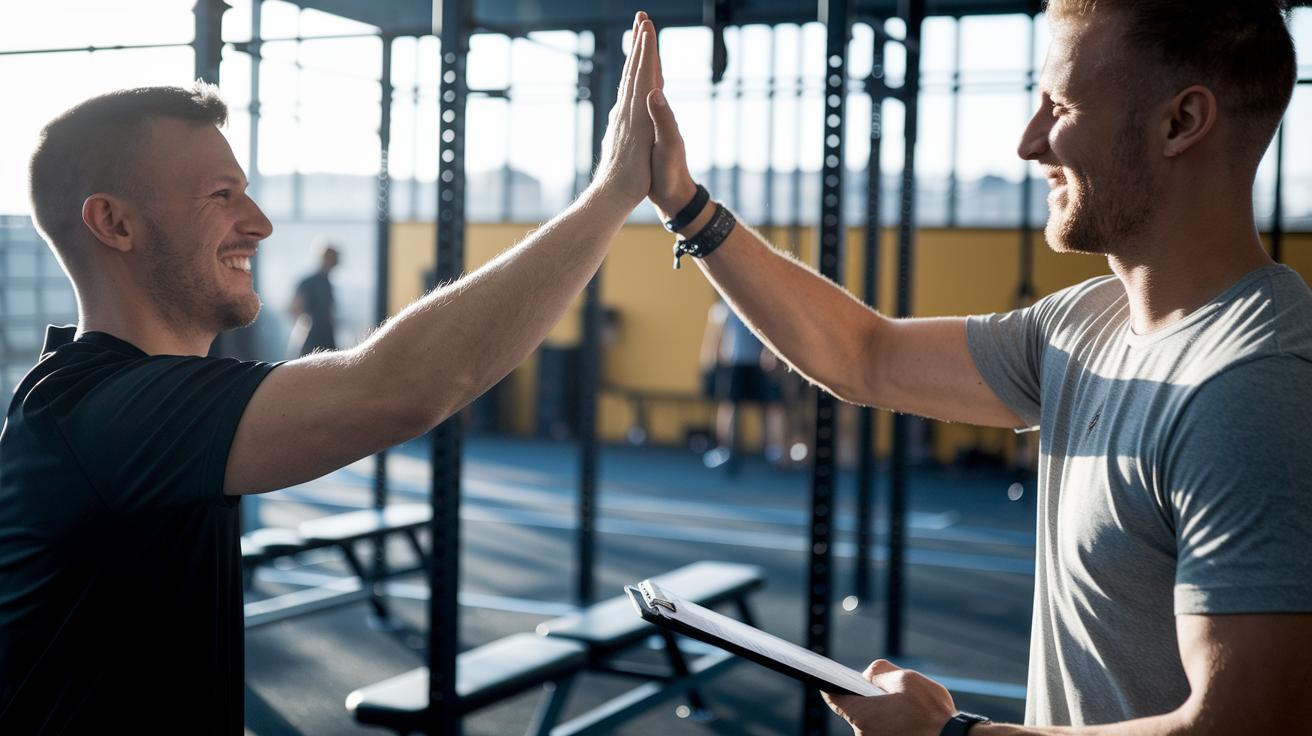
Coaches build awesome bonds with athletes by leaning on easy-to-use frameworks that set everyone up for success. The 3+1 C system is built on four key parts. First, closeness sparks trust and genuine respect. Next, commitment is about sticking together through thick and thin with shared values. Then, complementarity keeps actions in sync during training. And co-orientation makes sure everyone is aiming for the same big goal. It’s like putting together an epic play, every piece counts, and when they click, it feels as exciting as a last-second score.
To get these relationships just right, coaches turn to practical tools like COMPASS and CART-Q. These assessments help spot when communication needs a boost or goals need a tweak. Meanwhile, modern tech, think biosensing devices and dual-frequency GPS, offers real-time data to fine-tune training strategies. Picture a coach quickly adjusting a drill based on instant feedback before a big game. This mix of solid frameworks and smart tools ensures that every training session builds on an unbreakable bond, setting the stage for hard-fought victories.
| Framework/Tool | Description |
|---|---|
| Closeness | Helps both sides build trust and genuine respect. |
| Commitment | Means sticking together and sharing long-term values. |
| Complementarity | Keeps actions in sync so training runs smoothly. |
| Co-orientation | Makes sure everyone is aiming for the same goal. |
| COMPASS | Checks how well the coach and athlete connect and shows where to improve. |
| CART-Q | Reviews and fine-tunes coach-athlete talks to boost results. |
Final Words
In the action, we explored the heart of dynamic sports partnerships, from building trust with clear communication to crafting tailored training plans and performance feedback methods. The blog post highlighted techniques that boost both physical and mental game aspects, while also underlining the importance of structured frameworks that foster strong bonds.
This recap reminds us that every well-planned strategy can transform challenges into wins. Here's to leaving every practice, every game, and every session fueled by the passion of a top-notch coach and athlete.
FAQ
What is the relationship between coach and athlete?
The relationship between coach and athlete involves mutual trust, open communication, and shared goals that help both sides grow and peak in performance.
What constitutes an acceptable coach and athlete relationship?
An acceptable coach and athlete relationship is defined by strict professional boundaries, ethical behavior, and clear communication that builds respect and promotes improvement.
What are the 3 C’s of coaching?
The 3 C’s of coaching highlight Closeness, Commitment, and Complementarity, which together create a solid foundation for effective mentoring and performance progress.
What do coaches and athletes do?
Coaches and athletes work together by setting clear goals, planning training sessions, and providing honest feedback to push performance and build a strong competitive spirit.
How do coach and athlete programs operate?
Coach and athlete programs operate by offering structured training, guided mentorship, and practical strategies to boost skills and personal development in both parties.
What are coach-athlete relationship examples?
Coach-athlete relationship examples include structured mentorships and collaborative training plans that show how open dialogue and shared goals lead to success on the field.
Can you explain coach-athlete relationship questionnaires and PDFs?
Coach-athlete relationship questionnaires and PDFs serve as assessment tools that evaluate communication, trust, and performance, guiding improvements in the partnership.
What defines an inappropriate coach-athlete relationship?
An inappropriate coach-athlete relationship is one where professional boundaries are crossed with unethical behavior or favoritism, which hampers trust and growth.
What are some famous coach-athlete relationships?
Famous coach-athlete relationships are celebrated partnerships known for their impact on career success, marked by mutual respect, dedicated mentorship, and significant performance breakthroughs.