
Ever wonder how a broadcaster's voice can land a deal like a buzzer-beater shot? Today, stars like Stephen A. Smith and Tom Brady earn money that grabs headlines and sparks plenty of chatter. Their big contracts show that hard work, one-of-a-kind talent, and a real connection with fans can make a huge difference. We take a closer look at these numbers and explore what makes these deals so massive. Who knows? Your love for sports might just be your ticket into this exciting arena.
Salary Breakdown of Top Sports Broadcasting Figures
Sports broadcasting salaries have soared to amazing levels, with deals as thrilling as a last-second game-winning shot. These numbers range from record-breaking contracts to sums that rank among the biggest in the media world. Imagine this – Stephen A. Smith pulls in a staggering $40 million a year! It just goes to show that experience, popularity, and network power all play a huge role in landing these deals.
And it doesn't stop there. Big names like Tom Brady have landed a 10-year deal worth a whopping $375 million overall. Every contract tells a story of hard work, countless hours on air, and a unique style that resonates with millions of fans. It’s like making that perfect play when everything is on the line, a thrilling, game-changing moment.
| Name | Role | Network | Annual Salary |
|---|---|---|---|
| Stephen A. Smith | Sports Commentator | ESPN | $40 M |
| Tom Brady | On-Air Analyst | Fox Sports | $37.5 M |
| Charles Barkley | Studio Analyst | TNT | $21 M |
| Tony Romo | Game Analyst | CBS | $18 M |
| Troy Aikman | Mondays On-Air Analyst | ESPN | $18 M |
| Pat McAfee | Sports Host | ESPN | $17 M |
| Kirk Herbstreit | College GameDay Analyst | ESPN | $16 M |
| Joe Buck | Play-by-Play Announcer | Fox/ESPN | $15 M |
| Al Michaels | Veteran Announcer | ESPN | $15 M |
| Shaquille O’Neal | NBA Analyst | TNT | $15 M |
Looking at these top earners, it's clear that success in broadcasting comes from a mix of long-standing experience and a unique personal brand. Legends like Stephen A. Smith and Tom Brady have set the bar high by partnering with major networks and staying relevant with strong audience ratings. Their record-breaking deals show that consistent performance and connecting with fans can pay massive dividends in this fiercely competitive field.
Entry-Level to Regional Sports Broadcasting Wage Benchmarks
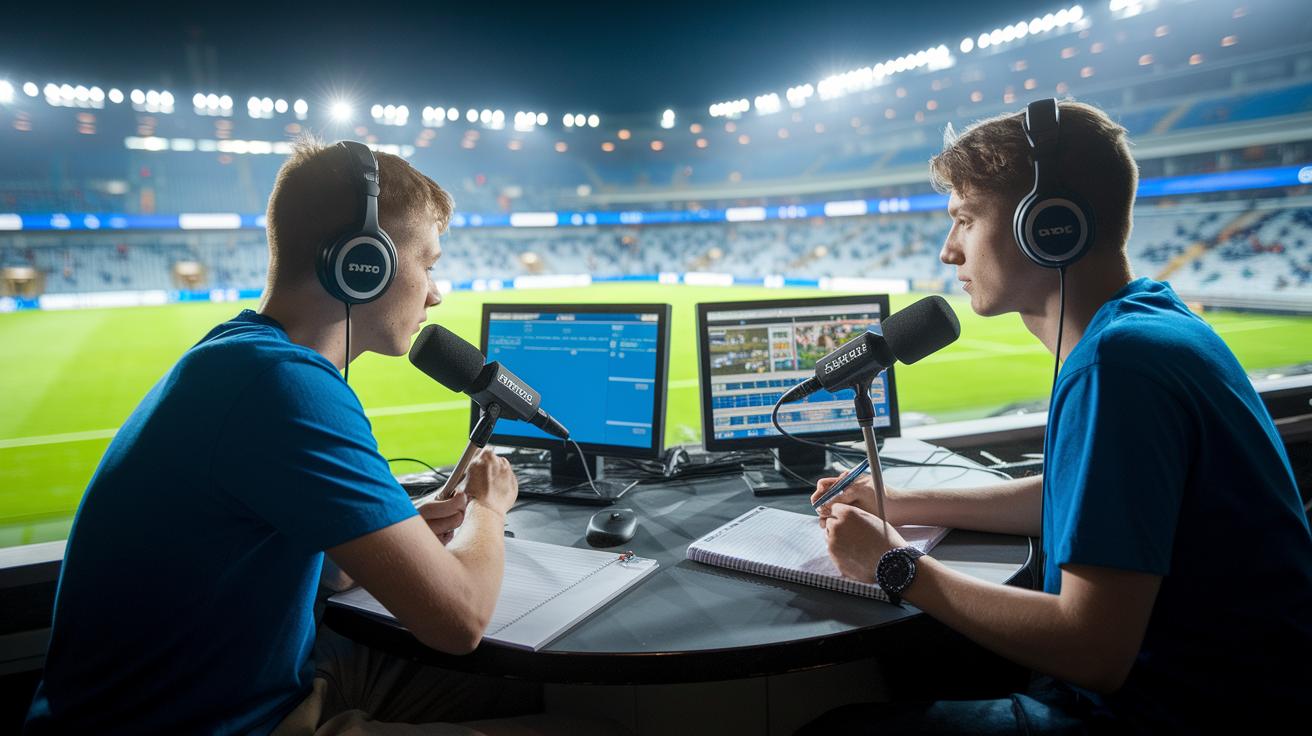
New broadcasters and local talents are stepping up into exciting roles with pay that depends on the job and the market. These positions give you a chance to build your on-air chops, whether you’re calling a game from a remote setup or working as a local announcer. The pay scale acts like a ladder where each step reflects your location and responsibilities.
| Role | Pay Range |
|---|---|
| Entry-level on-air roles | $22K–$30K/year |
| Remote broadcast positions | $20K–$40K/year |
| Local/regional announcers | $25K–$55K/year |
| Collegiate play-by-play | $40K–$60K/year |
| Media interns | $15–$20/hour |
Market differences play a big part in earnings. In smaller towns or remote gigs, the pay is often lower compared to the big regional hubs with larger audiences. These ranges show how the blend of gaining valuable on-air experience and reaching a wider crowd shapes early broadcasting salaries. Ever wonder how the buzz of a big crowd can boost your paycheck?
Key Factors Shaping On-Air Talent Compensation
Ratings and network popularity are the building blocks behind a broadcaster’s paycheck. Big names like ESPN, Fox, and CBS keep a close eye on viewer numbers. When a commentator consistently draws a huge crowd, they land a solid base salary and score extra bonuses through contract renewals. Plus, spending more time on air builds up their negotiating power, leading to bigger pay bumps in multi-year deals. It’s like hitting a home run that not only wins the game but also racks up extra season points.
Negotiated deals open up even more chances to earn. Broadcasters can snag event-specific bonuses, such as extra cash during playoffs, championship games, or key broadcasts that pull in big ad revenues. When they hit those standout moments that send the crowd into a frenzy, performance-based voice pay kicks in. And with many multi-year contracts built to boost earnings as ratings rise, you see a real mix of network budgets, bonus rewards, and smart negotiations shaping a competitive pay scale in the fast-paced world of sports broadcasting.
Traditional Network vs. Digital Platform Salary Structures in Sports Broadcasting
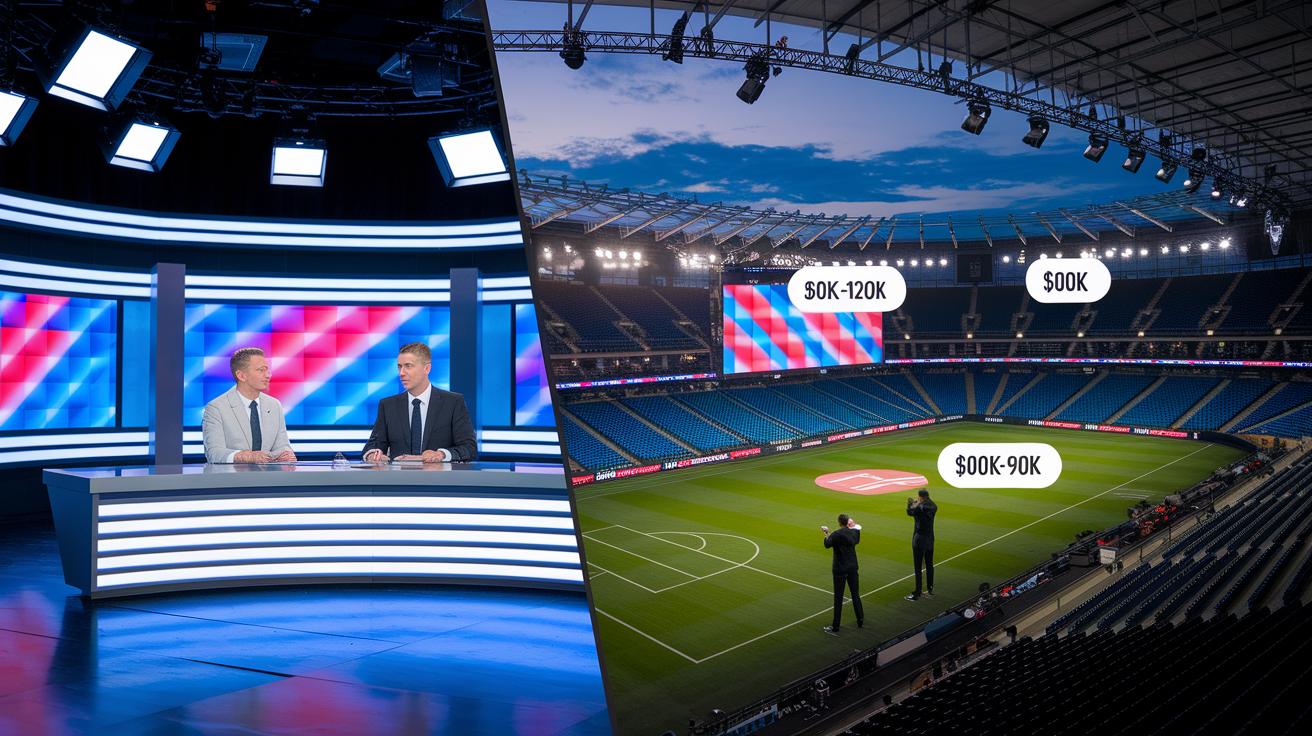
You know traditional TV and radio? They've been the trusty playmakers in sports broadcasting for forever, and their paycheck plans show that history. Mid-level TV commentators usually snag between $50,000 and $120,000 a year, plus a solid benefits package. And don’t forget about radio hosts, they pull in around $40,000 to $90,000 annually, depending on their audience and market.
This classic setup values steady performance, experience, and the ability to fire up a live crowd with every call.
On the flip side, digital platforms have really switched up the playbook. Their pay is more flexible, though sometimes they might skimp on the benefits. Digital gigs, from hosting a podcast to streaming a live game, can earn anywhere from $50,000 to over $100,000 a year, often boosted by ad revenue and subscription shares. These roles are quick on their feet, adapting fast to shifts in audience behavior. It’s like switching plays mid-game; the digital arena is buzzing with modern opportunities for growth.
When you put these two salary models side by side, the difference jumps out. Traditional networks dish out steady paychecks packed with benefits, while digital platforms offer a flexible game plan with chances for rapid growth. In the end, broadcasters have distinct paths to choose from, each with its own mix of risks and rewards, letting emerging talent pick the field that suits their play style best.
Career Progression and Long-Term Earnings Outlook for Sports Broadcasters
Imagine starting your career as an intern, earning about $15 to $20 an hour while you get a real feel for the on-air action. It’s like being in the training camp, learning the playbook as you soak up live commentary and studio experience. Early roles usually pay around $22K to $30K a year, a chance to hit your stride and start building your confidence on the air.
Then you move up to junior on-air roles where the salary jumps to roughly $30K to $60K. Every assignment feels like a stepping stone, and you begin to see your skills grow alongside your paycheck. Before you know it, mid-career broadcasters are raking in between $60K and $150K annually, thanks to bigger responsibilities and the thrill of engaging a live audience.
At the senior level, things really take off. Top broadcasters can earn anywhere from $150K to over $1M each year. And if you specialize in major leagues like NFL, MLB, or college sports, you might see your earnings boost by an extra 20 to 30%. It’s like hitting the game-winning shot in overtime.
On top of that, long-term earnings depend on more than just climbing the ladder. Specialization, years on the job, and scoring extra opportunities off-camera, like brand partnerships, speaking gigs, and game-day bonuses, can really pad your income. These extra plays help secure those lucrative contract renewals. In short, blending your on-air talent with smart off-camera moves sets you up for a long, exciting career in sports broadcasting.
Addressing the Gender and Diversity Wage Gap in Sports Broadcasting Salaries
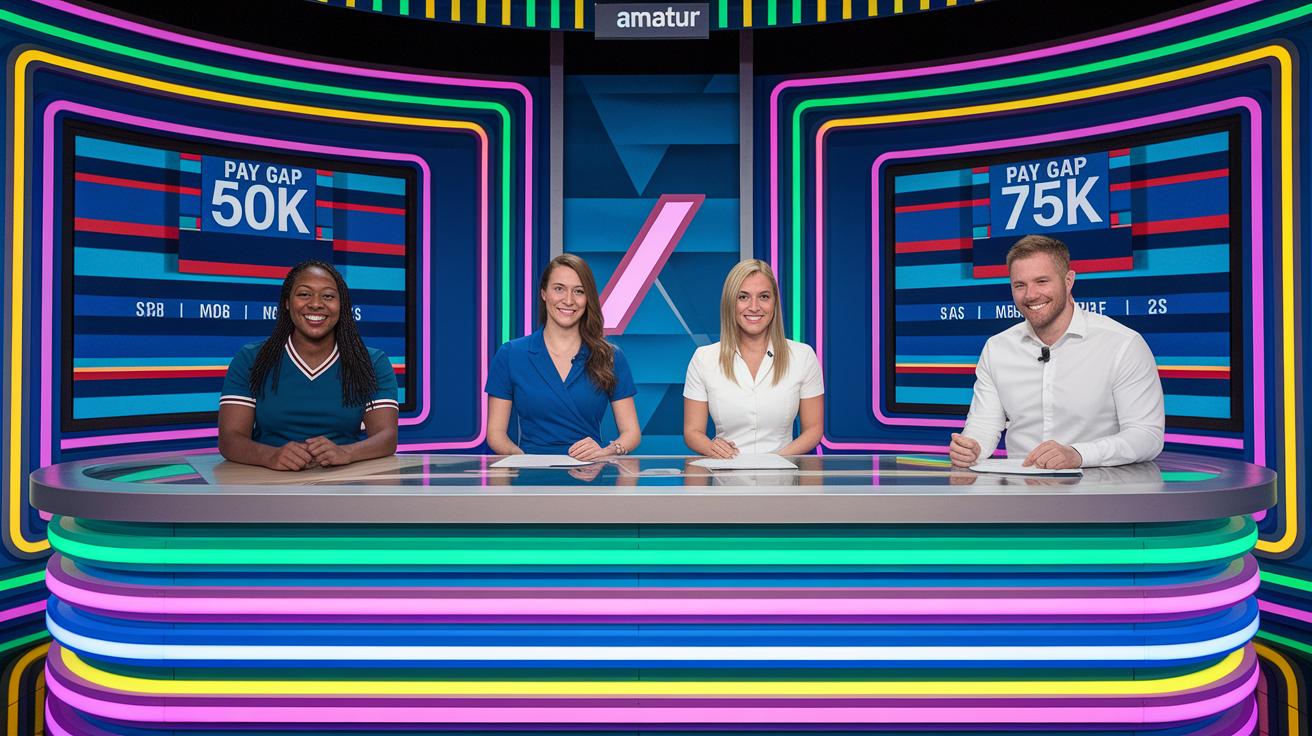
There’s still a clear pay gap in sports broadcasting that feels a bit like a missed game-winning opportunity. For example, female broadcasters usually earn around $60K, while their male counterparts bring home almost $75K. Fresh talent from diverse backgrounds often starts off earning 10-15% less, setting a tough pace from the start. Even the big names like Erin Andrews, who makes about $5M, still fall short of top-tier male broadcasters. It’s like watching a game where some players are always a few steps behind, they’re carrying a weight that shouldn’t be there.
The good news is that the industry is making moves, and it kind of feels like a halftime pep talk. Broadcasters and networks are getting upfront about their commitment to fairness, tweaking contracts and negotiation styles with a goal of pay equity by 2025. These efforts are slowly boosting the pay for women and diverse voices, narrowing the gap step by step. As more fans and voices join the push for equal pay, it’s like the field is being cleared for a fairer, more inclusive game on air.
Forecasting Future Trends in Sports Broadcasting Compensation
Sports broadcasting pay is set to rise, and it’s all thanks to a mix of economic shifts and industry maneuvers. Experts are calling it a steady climb of around 2-3% every year, fueled by increasing live rights fees and bigger media deals.
Networks and digital platforms are in a heated race to grab the best talent, so they’re boosting their budgets like never before. Sure, ad revenue can be a bit unpredictable, which sometimes shakes up bonus payouts and how contracts are structured. It’s a bit like watching a game where every play is influenced by the crowd's energy and sudden twists.
Looking ahead, expect even more changes. Base salaries and bonus setups are gearing up to get a fresh, dynamic look. Digital media roles, for example, might see a 5-7% boost, and freelancers are set to earn more as the demand for flexible content grows.
Broadcast teams may start receiving performance-based incentives and event-centric bonuses more often, paving the way for new pay models that attract talent across multiple platforms. As revenue trends continue to shift, both traditional and digital avenues will evolve, opening up exciting new opportunities for broadcasters at every level.
Final Words
in the action, we broke down the top tiers of pay for sports voices. We dug into how big plays on live TV, digital platforms, and regional roles shape the paycheck lineup.
We also uncovered key factors like performance bonuses and contract twists that tip the scale on sports broadcasting salaries. It all paints a picture of a field where energy, talent, and smart deals mix for exciting pay growth. Keep the passion alive as the playbook for broadcast earnings evolves.
FAQ
Q: Sports broadcaster salary ESPN
The sports broadcaster salary at ESPN is generally high, shaped by star power and ratings. Top anchors can earn multi-million contracts thanks to their proven expertise and influence on air.
Q: Sports broadcasting salaries per month
The sports broadcasting salaries per month vary widely. Some entry-level roles might earn modest sums, while experienced professionals can receive thousands in monthly earnings, reflecting contract size and network strength.
Q: Sports announcer salary NFL
The sports announcer salary in the NFL is among the best, often bolstered by hefty contracts and game-day performance bonuses. Star announcers secure multi-year deals recognizing their impact during major broadcasts.
Q: Sports broadcaster degree
The sports broadcaster degree builds the skills needed for clear, dynamic on-air presentations. It forms a key stepping stone that helps aspiring broadcasters get hands-on experience and technical know-how for the job.
Q: Sports broadcaster jobs
The sports broadcaster jobs span various roles in television, radio, and digital media. These positions offer dynamic work environments, where passion for sports meets sharp communication to keep audiences engaged.
Q: How much do sports announcers make per game
The sports announcers make per game extra earnings often structured as bonuses. These pay-per-performance rates supplement annual salaries and reward notable commentary during high-stakes matches.
Q: How to become a sports broadcaster
The path to becoming a sports broadcaster usually starts with a degree in communications or journalism, followed by internships and building real-world experience. Success comes through practice, network connections, and a passion for sports.
Q: Highest-paid sports broadcasters
The highest-paid sports broadcasters earn multi-million-dollar deals, reflecting their star status and market influence. They draw top salaries from major networks by delivering engaging commentary that captivates broad audiences.
Q: Do sports broadcasters make good money?
The sports broadcasters make good money, especially those with extensive experience and high viewership. Their income often includes lucrative contracts and bonuses that reward successful, influential on-air performances.
Q: Do sports reporters make good money?
The sports reporters make good money when they establish themselves on major networks. While entry-level reporters start modestly, seasoned reporters enjoy a more rewarding pay scale with additional incentives.
Q: How much do ESPN anchors get paid?
The ESPN anchors get paid competitive salaries that reflect their on-air skills, audience draw, and network performance. Their earnings can be boosted by bonus structures tied to ratings and key sports events.
Q: Who is the highest paid sports commentator?
The highest paid sports commentator is typically a renowned figure with a track record of successful contracts. Their earnings often reach multi-million figures and set benchmarks for excellence in sports media.