
Ever thought that a little tweak in how you sit or stand might be why you feel off? It turns out that even a tiny shift can give you back and neck pain, kind of like a race car that needs a quick tune-up to perform its best.
Imagine checking your posture like you would inspect your favorite team's lineup before a big game. A small adjustment could mean the difference between feeling uncomfortable all day or moving around with ease.
In this article, we’re diving into how a simple check on your posture can catch issues early. That way, you can keep active and pain-free, just like your team making that game-winning play.
Posture Analysis Powers Health & Comfort
Posture analysis is all about seeing how your body lines up compared to that perfect stance, whether you're sitting still or on the move. It’s a big part of kinesiology, which is just a fancy word for studying how our bodies work. Even little changes in how you sit or stand can lead to backaches or neck pain. Ever catch yourself thinking, "I had no idea slouching could hurt my back this much?" after hours at a computer?
Checking your posture regularly helps spot issues before they turn into injuries. Good posture isn’t just about looking confident, it keeps your whole body in a healthy groove. Whether you're at the gym or tapping away at your desk, knowing your alignment means you can tweak things early and avoid future aches.
But posture analysis isn’t just a quick look; it’s like watching a replay of your movements. From your workout routines to daily habits, every move matters. Think of it like fine-tuning a race car, when every part works in harmony, you get peak performance. Even small adjustments based on your unique body setup can lead to big improvements in comfort and balance.
So, dive into understanding your posture and unlock simple changes that boost your comfort and let you move freely every day.
Key Techniques for Body Alignment in Posture Analysis

When it comes to checking posture, there are two main plays: the classic way and the high-tech route. The classic approach means just observing with simple tools, while the modern side uses digital gadgets to get precise numbers. Picture this: you spot a tiny shoulder tilt with a basic grid test, hinting that more in-depth checks might be needed.
Here's the lineup:
- Simple sight observation with physical grids is an easy, budget-friendly start.
- X-rays show detailed bone positions so you can see exactly how the skeleton lines up.
- 3D body scanning creates digital models and measures key landmarks on the body.
- Posture software uses a camera to track key markers, giving live updates on alignment.
- Instruments like goniometers and inclinometers measure joint angles exactly.
- Pressure mats capture weight shifts and tell you how the center of gravity moves.
Experts choose their method based on what they need, accuracy, cost, or the specific situation. For example, a gym might pick 3D body scanning to give quick and engaging feedback to its clients, while a clinic may lean towards X-rays for a closer look at the bones. Whether you're using a plumb line in a fitness center or advanced tech in a clinic, every tool helps ensure that body alignment is seen clearly and managed effectively.
Technology-Driven Posture Analysis: Devices and Digital Tools
Advanced technology is changing the game in posture analysis. Today’s digital tools use sensors and cameras to catch even the tiniest body shifts, whether you're holding a pose or on the move. This detail helps experts spot things like a forward head or a tilted pelvis, which is key for setting up the right fixes. It makes the whole process more fun and super useful for boosting health and comfort.
| Device Model | Technology | Primary Application |
|---|---|---|
| Styku S-30 | Camera-based imaging | Body composition and structure analysis |
| Visbody S-30 | MUF Technology | Detecting postural deviations |
| M-30 | 3D scanning mirror | Instant visual feedback |
| M-60 | 3D scanning mirror | Real-time form assessment |
| R-60 | Dynamic scanning | Movement pattern capture |
| Creator600 | Treadmill-integrated scanning | Gait and posture analysis |
Now, there’s more cool news on the horizon. Emerging AI-driven assessments are here to take form evaluation to a new level. Using smart sensor nodes and tech like OpenPose (a tool that tracks human movement), these systems make it faster and easier to measure and improve your balance and posture. It’s a neat way to stay on top of your game and feel better every day.
Developing Personalized Posture Correction Strategies
Setting Measurable Goals
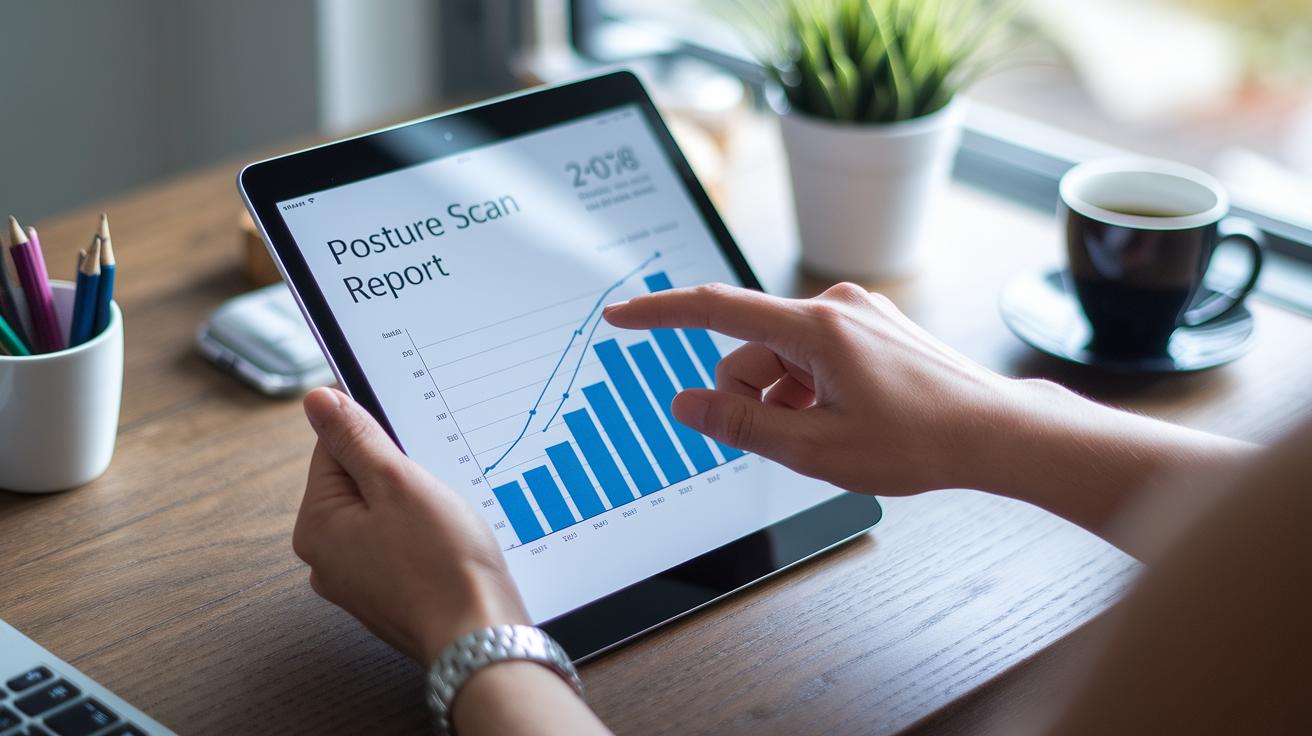
Using the Visbody S-30, experts grab your posture data and set clear, simple targets. For instance, you might aim to lessen your forward head tilt by 10° in just two months. Imagine checking a graph and watching your progress build, each small gain fueling your drive just like a winning streak in your favorite game.
Targeted Exercise Interventions
Your scan results point out exactly where your posture needs some extra work. They break down imbalances and show that muscles like your core, hip flexors, scapular stabilizers, and deep neck flexors could use more focus. It’s like having a custom playbook that tells you exactly what to train to get back in perfect alignment.
Progress Monitoring and Adjustment
Regular check-ins with experts, think of someone like Dr. Roshan Jha guiding you, help you keep track of your progress and adjust your exercises as needed. With ongoing measurements, you can tweak your plan based on real data, making sure every change builds toward improved form and lasting good posture.
Integrating Posture Analysis into Fitness and Workplace Ergonomics
Fitness centers and offices are boosting their wellness programs by adding posture checks during gym onboarding and workplace health events. This simple step not only cuts down on injuries but also makes you feel more comfortable. With free mobile apps for quick screenings, issues can be spotted early, sometimes even before a full evaluation. Did you know many people suffer from neck pain just by sitting at a desk with poor posture?
Here are some practical tips for fitness pros and employers:
- Train your team to use easy tools like grids, inclinometers (they measure tilt), and mirrors for steady assessments.
- Take advantage of mobile scanning solutions to offer free digital evaluations during remote check-ups.
- Combine posture checks with bioelectrical impedance tests (a method to measure body composition) for a complete picture.
- Include posture analysis as an extra service that makes your gym or corporate wellness program stand out.
By weaving these methods into your exercise routines and ergonomic office setups, you build a proactive culture that helps everyone perform their best every day. Clear, step-by-step assessments backed by data pave the way for healthier posture habits at work and in the gym.
Final Words
In the action, we broke down how posture analysis helps spot misalignments and guide smart, custom exercise tweaks. We covered proven techniques, cutting-edge devices, and strategies that turn data into real-life balance fixes. Short reviews of methods, tech tools, and workplace tips show how posture analysis drives healthier moves and fewer aches. Keep pushing for better form, stay on track, and cheer on every small win. The game is on, and your body can be your greatest asset.
FAQ
What is a posture analysis?
The posture analysis evaluates your body’s static and moving alignment against an ideal form. It highlights imbalances to help improve balance and reduce injury risks.
How does a posture analysis app work, and are there free or AI-powered options available?
The posture analysis app uses images or scans to measure body alignment. Some free and AI-powered tools provide on-the-spot assessments, making posture checks quick and accessible.
What is a posture assessment PDF, and how can it help?
The posture assessment PDF offers charts and guidelines for evaluating body alignment. It helps you get a head start on understanding your posture with easy-to-follow instructions.
What are posture analysis online tools or software, and how do they work?
The posture analysis online tools or software use camera input or digital scans to measure your alignment. They simplify the evaluation process, giving you immediate, visual feedback on your posture.
What are the 5 types of posture?
The 5 types of posture include normal, swayback, round shoulder, forward head, and flat back. Recognizing these can guide targeted exercises to improve overall form and balance.
Is physical therapy for posture covered by insurance?
Insurance may cover PT for posture if it’s medically necessary. Coverage varies by plan, so it’s a good idea to verify with your provider for accurate details.
What is a full body posture analysis, and why is it important?
The full body posture analysis checks your alignment from head to toe. This comprehensive approach is key to spotting issues early, so you can work on improving overall movement efficiency.