
Have you ever noticed how sports broadcasts just get more exciting every day? Women behind the mic are calling the shots and breaking all the old barriers. Their commentary hits like a buzzer-beater, turning an ordinary match into a must-see event.
These trailblazers bring new energy to every play, sparking the crowd's excitement with each call. In this post, we dive into how their bold moves and stellar talent are refreshing sports broadcasting. Ever feel that rush when your favorite team surprises you? That's the power of genuine passion lighting up the arena.
Achievements and Roles of Women in Sports Broadcasting: Rising Trailblazers
Women in sports broadcasting are true game-changers. They fill roles as anchors, analysts, sideline reporters, and producers, bringing a burst of energy and realness to every play. Their clear, spot-on calls light up live games, whether it’s a buzzer-beater or a smart move that turns the season around. Ever heard an analyst break down a complicated play on the fly? It’s like watching a puzzle come together during the heat of the moment.
Trailblazing women have smashed old records and set new standards in sports media. Early pioneers stepped up and became the first female voices on major channels, opening the door for everyone who came after. Remember that breakthrough moment when a sideline reporter at a big championship turned doubt into a roaring cheer? Moments like these show that real talent doesn’t know a gender, and they’ve changed the game forever.
This new wave of broadcasters has totally recharged how fans connect with sports. The blend of engaging storytelling and smart analysis feels like you’re right in the stands. Imagine a tight, overtime call that makes the whole arena hold its breath, these voices turn a regular game into an unforgettable experience, sparking inspiration for the next generation of sports broadcasting stars.
Historical Evolution of Female Sportscasting in Major Events
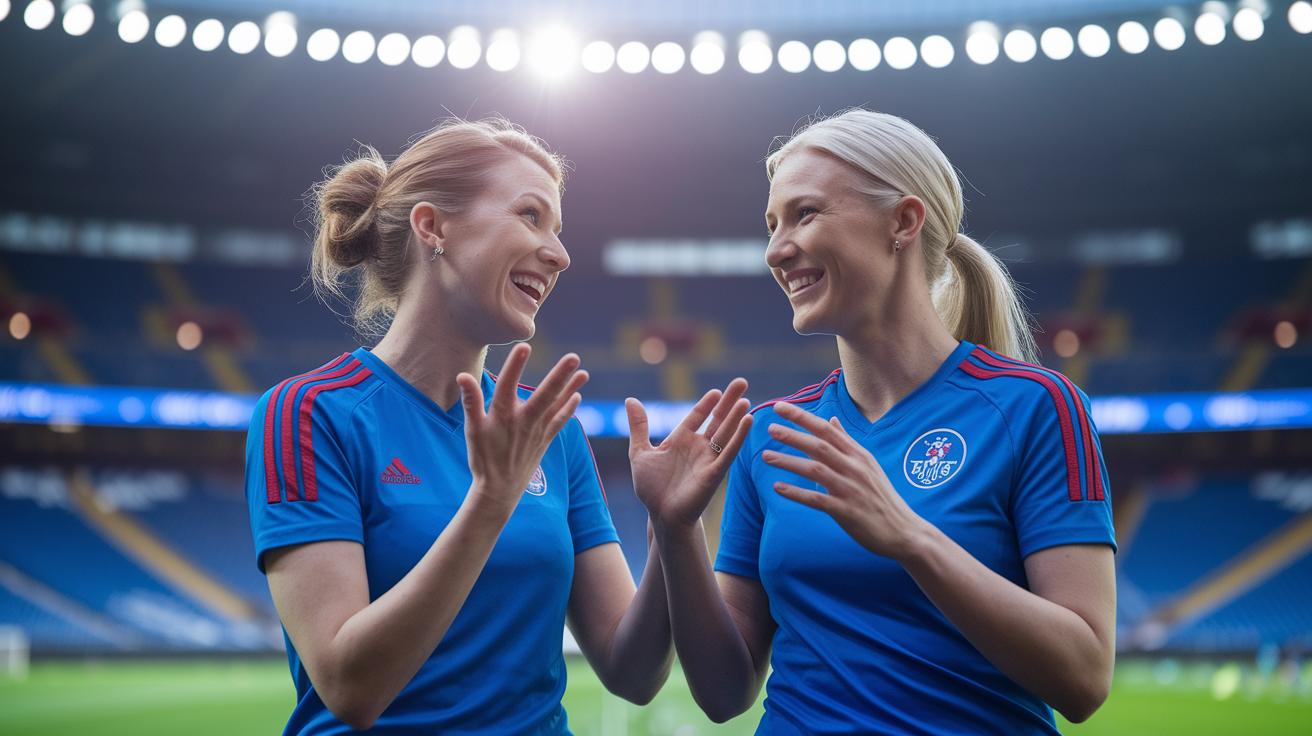
Back in the 1970s and 80s, a brave group of women busted through a male-dominated scene to grab their very first gigs behind the mic. They worked extra hard for every shot they got, proving that their clear insights and infectious energy could really light up a game. Remember that one electric call during a big match? It clearly showed that women could deliver sports stories with real power and heart.
From the 90s into the 2000s, more sports networks started listening to female voices, kicking off a fresh era in broadcasting. One major sporting event even marked a decade of women on air, a real turning point that proved change was here to stay. With more women stepping into roles that were once all about the men, their honest, down-to-earth perspectives began to reshape how fans enjoyed the game.
Over the past decade, there’s been an undeniable boost in on-air diversity. Today, women are rocking roles as prime-time anchors, sharp analysts, and energetic sideline reporters. Their rising profiles have not only made live broadcasts more engaging but also paved the way for future generations to take the broadcast booth by storm with confidence and creativity.
Trailblazing Female Sportscasters and Iconic Voices
Female sportscasters have changed the game. They don’t just cover sports, they’ve turned sports media on its head. By sealing huge deals on broadcast rights, landing major sponsorships, and bringing fresh tech into the control rooms, they've set entirely new standards. Today’s voices are smart, confident, and true to fairness in their storytelling. Their energetic calls and insightful interviews can make you feel like you're right there with your friends on a crisp, exciting night.
- Lesley Visser – CBS Sports, breakout in 1979
- Hannah Storm – CNN/ESPN, breakout in 1987
- Doris Burke – ESPN, breakout in 2008
- Carole Simpson – CNN Sports, breakout in 1990
- Rebecca Lowe – Sky Sports, breakout in 2010
These trailblazers have cleared the path for the next generation. Their bold moves on and off the mic have reshaped the world of broadcasts, opening doors previously thought off limits. When passion meets hard work, it can transform an entire industry. Ever feel that thrill when someone shatters a barrier? That’s what they’ve delivered.
Overcoming Bias and Challenges for Women On Air
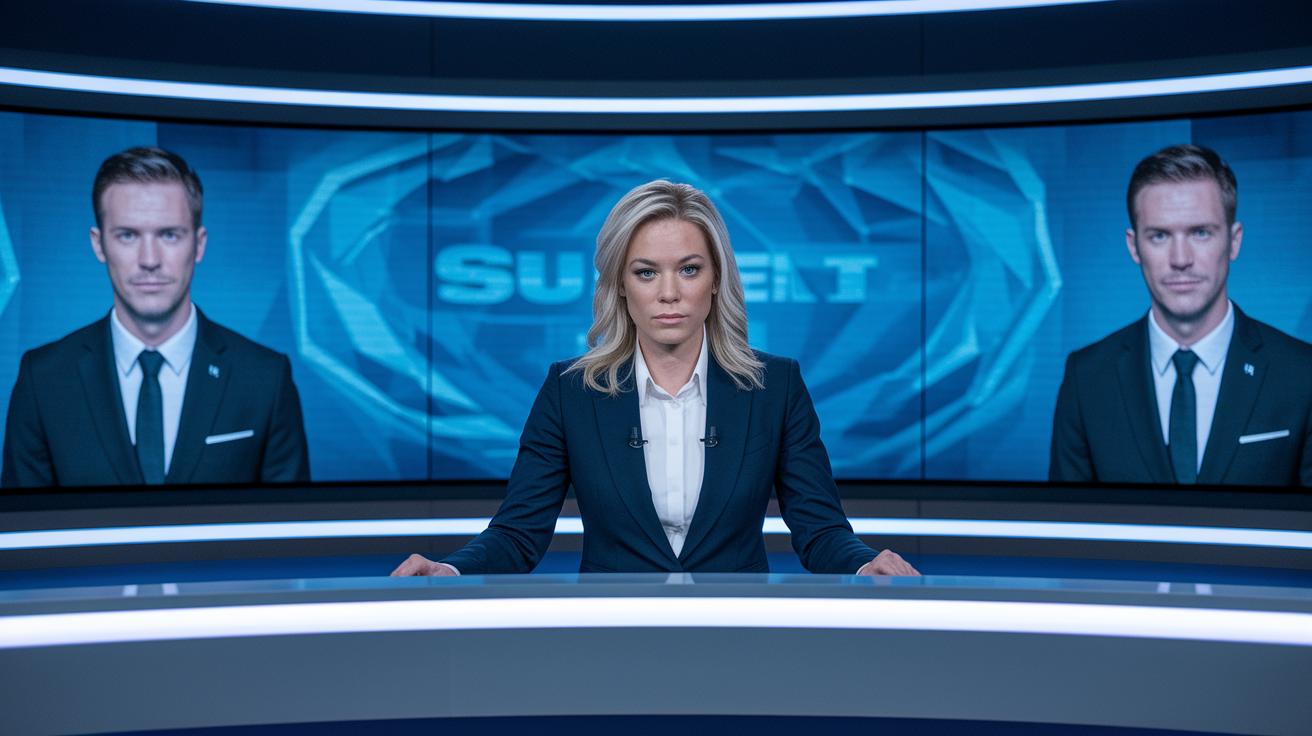
Women broadcasters face a tough game every day. They often have to deal with unfair production and storytelling choices that treat their work differently from their male colleagues. Instead of getting straight-up, hard-hitting analysis, their segments sometimes focus on softer, less impactful stories. For example, think about how female athletes in the NBA or MLS might be shown using old, tired clichés, while coverage of WTA events often feels like an afterthought.
This kind of treatment makes it harder for talented broadcasters to show off what they really know. Some viewers and decision-makers expect these women to dial down on strong opinions or deep analysis. This means they might only get small parts of the broadcast, with less camera time and fewer chances to make a splash, no wonder they have to keep proving themselves.
There is some good news, though. More networks are starting to back women who send it live with bold, honest commentary. But old habits die hard, and biases still creep in, both on-air and behind the scenes. That’s why ongoing efforts like training, mentoring, and fair production practices are so important. They help ensure that every voice on air gets the respect and opportunity it deserves, no matter who they are.
Gender Diversity and Representation in Live Sports Commentary
Sports broadcasts are getting a fresh vibe with more varied voices on air. New data shows that when a team brings in different perspectives, the play-by-play really hits home with fans. Think about it, hearing a sideline reporter call a game-winning play makes you feel like you're right in the thick of the action. Fans connect even more when the voices remind them of their own experiences, whether it's an NFL showdown, a Premier League clash, or a thrilling Grand Slam tennis match.
The numbers say it all. Check out the stats below: women now play key roles in broadcast teams. Anchors are 28%, analysts 24%, sideline reporters 35%, and producers 22%. Each of these figures shows just how much balanced representation can boost the energy and authenticity of sports commentary.
| Role | Percentage of Women |
|---|---|
| Anchor | 28% |
| Analyst | 24% |
| Sideline Reporter | 35% |
| Producer | 22% |
This boost in diverse voices not only makes game days more exciting but also builds real trust among viewers. Imagine sharing a favorite play-by-play with a friend, clear, honest, and full of energy. When commentary truly reflects the audience, every call feels more genuine and brings fans closer to the game.
Career Pathways and Training for Aspiring Women in Sports Broadcasting
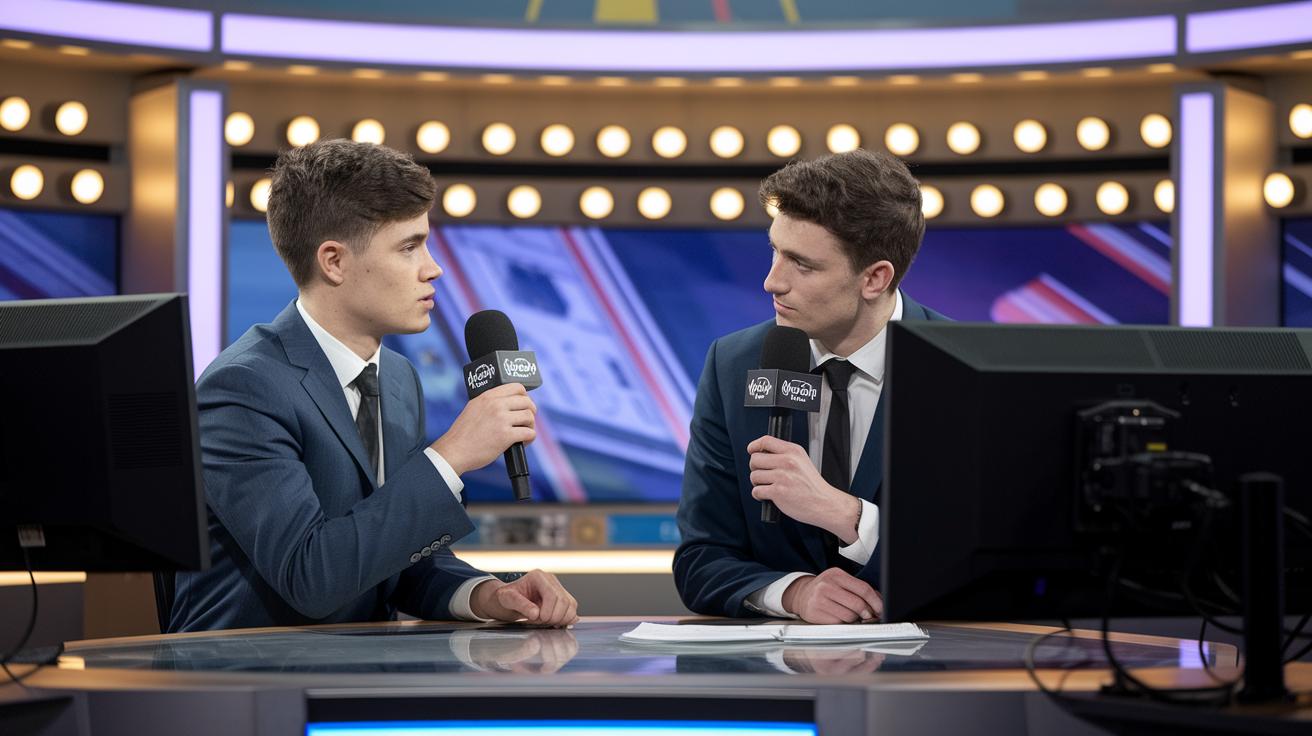
If you’re dreaming of a career in sports broadcasting, the best way to start is by getting real-world experience. Internships in broadcast journalism and scholarships for sportscasters give you a chance to jump right into live reporting and production tasks. You might check out entry-level gigs on sites like jobs in sports broadcasting. They turn classroom lessons into actual game-day action, while scholarships help ease the cost of learning the ropes. Ever picture that moment when you land an internship that kickstarts your on-air storytelling journey?
Mentorship programs and professional groups really shape the future of sportscasters. Seasoned broadcasters love sharing their insights in relaxed mentor circles, helping you tackle live production details and media deals. These groups offer solid advice and support, so you can face the challenges of a competitive field with confidence. Sometimes, they even connect up-and-coming talent with broadcasting stars who have already made their mark.
Finally, it all comes down to building strong skills. Focus on sharpening your communication style, learning digital reporting, and mastering media production. Get involved by going to networking events and industry conferences, and build your foundation with studies in communications and media. That mix of education and hands-on experience is what helps you stand out in the exciting world of sports broadcasting.
Digital Channels and Technological Advancements Shaping Women’s Roles
Streaming services and mobile-first apps are changing the game for sports coverage. Women broadcasters are now using these tools to send live updates straight to your device. Picture catching a heart-thumping play on your phone, it feels like having the game right in your pocket. This flexibility not only gets the news out fast but also delivers fresh, personal storytelling that really connects with fans.
Remote production hubs teamed with real-time analytics are making live events run smoother than ever. Teams work from central hubs where smart graphic tools turn stats into sharp visuals while the game unfolds. These innovations turn raw data into vibrant displays that keep audiences clued in and engaged. Look at platforms like sports broadcasting to see how these tech advances are leaving old methods behind.
Social media and interactive tools are also shaking up how viewers join the action on-air. Female broadcasters are now incorporating live tweet feeds, quick polls, and instant video reactions to create a fully immersive experience. This real-time mix not only pulls in more fans but also sparks lively conversations that boost the energy and transparency of every game.
Final Words
In the action, we witnessed a powerful display of progress, from bold on-air roles and groundbreaking milestones to how digital tools and fresh strategies are reshaping the field. Every step has brought more clarity to the art and craft behind standout commentary.
Building a future rich with passion, community, and skill, today's sports scene is a testament to perseverance and talent. The spark of women in sports broadcasting continues to light up new opportunities and inspire fans everywhere.
FAQ
Women in sports broadcasting jobs
Women in sports broadcasting jobs involve taking on roles like anchor, analyst, and sideline reporter. They bring dynamic, on-air storytelling and insight that energize live sports coverage.
Famous women in sports broadcasting
Famous women in sports broadcasting have made their mark as trailblazers on major networks. Their vibrant voices and deep sports knowledge have helped shape today’s sports media landscape.
Women in sports broadcasting 2022
Women in sports broadcasting in 2022 saw increased visibility and leadership roles. Their expanded presence continues to bring fresh perspectives to sports coverage and foster a more balanced media mix.
Media coverage of women’s sports statistics
Media coverage of women’s sports statistics highlights the growth in women’s sports and showcases key performance numbers. This focus brings more attention to the talent and achievements of female athletes.
Sexism in sports media
Sexism in sports media describes how female broadcasters and athletes are often treated differently. Many are working hard to overcome biased portrayals and promote fair, inclusive storytelling.
Female sports journalist Linda
Female sports journalist Linda represents the strong presence of women in the field, noted for her sharp insights and energetic on-air style that resonates with sports fans everywhere.
Underrepresentation of women in sports media
Underrepresentation of women in sports media refers to the imbalance where fewer female voices are seen on-air. Efforts to increase inclusion have steadily improved this dynamic over time.
Association for Women in sports media
The Association for Women in sports media supports female professionals through networking, education, and advocacy. It champions equal opportunities and helps amplify women’s voices in sports reporting.
What percent of sports broadcasters are female?
Approximately 28% of anchors, 24% of analysts, 35% of sideline reporters, and 22% of producers are female. These figures reflect gradual progress toward balanced representation in sports broadcasting.
Who is the most famous female sportscaster?
The most famous female sportscaster is often seen as a pioneer whose work set high standards. Many fans and experts frequently cite notable figures who have redefined sports commentary with their innovative style.
Who are established female broadcasters on CBS Sports and NBC Sports?
Established female broadcasters on CBS Sports and NBC Sports bring strong analysis and lively commentary to live events. These talented on-air professionals help boost viewer engagement and diversify sports media coverage.