
Ever wondered if sports is just about winning? There’s much more to it. Athletes are stepping off the field to stand up for fairness and fight bias in every match.
They take their skills and use them to challenge old rules and push for change, from equality to taking care of our planet. Their efforts spark hope and show that sports can be as much about making a difference as scoring a goal.
Next time you cheer on your team, remember that the heart of the game beats for justice too. Sports can be a bold stage for real change.
Defining the Athlete Activism Movement
Athlete activists are sports stars who use their fame to fight against social and political wrongs. They jump into the spotlight not just to play but to push for changes on issues like racial equality, LGBTQ rights (support for gay, lesbian, bisexual, and transgender folks), gender fairness, Indigenous rights, climate change, and community growth. Think about an athlete who says, "I'm not here just to play; I’m here to speak up," capturing that raw mix of passion and purpose.
Often, these athletes have been on the receiving end of bias and discrimination. Their own struggles blend with a bigger call for justice, turning every match into a chance to rally for change. Imagine someone saying, "After facing unfair treatment both on and off the field, I decided to turn every game into a platform for change." That kind of energy transforms sports events into real-life stages where important issues get a loud cheer.
This kind of activism proves that being in the limelight means more than showing off your skills. It means questioning old ways and helping to rewrite society’s playbook. The causes they champion include:
- Racial equality
- LGBTQ rights
- Gender equity
- Indigenous rights
By mixing fierce game-day passion with a commitment to fairness, athlete activists spark conversations that stretch way beyond the field.
Historical Roots of Athlete Activists

Back in 1924, Haitian long jumper Sylvio Cator hit the Olympic stage and boldly spoke out against political oppression. This daring move opened doors for athletes who later used their skills not just to win medals but to stand up against injustice.
At the 1936 Berlin Olympics, Jesse Owens took the world by storm. With four gold medals under his belt, he wasn’t just breaking records, he was breaking down barriers by challenging the myths of white supremacy. Imagine an athlete not only racing against time on the track but also battling deep-seated discrimination. It’s like winning on all fronts.
Then, in 1968 at the Mexico City Olympics, Tommie Smith and John Carlos delivered a moment that still echoes today. Their famous Black Power salute turned a display of athletic prowess into a powerful protest against racial inequality. That simple gesture said so much without needing a word.
These early acts, including efforts by Indigenous athletes and trailblazers breaking gender barriers, set the stage for modern sports protest culture. They showed that the playing field could be about more than just winning; it could be a platform for social justice.
Iconic Athlete Activists and Their Legacies
Ann Meyers Drysdale set the court on fire back in 1979 when she signed an NBA contract. She broke barriers and opened doors, showing that women could achieve big things on and off the court. It wasn’t just a deal, it was a roar for gender equality that sparked conversations far and wide.
Jim Brown took his strength on the field and turned it into a drive for change. Leading a group of 25 athletes in the Black Economic Union, he united sports stars and challenged the old rules. It was teamwork at its finest, proving that athletes can change the game of society too.
Kareem Abdul-Jabbar, known for his six NBA titles and years of commentary, used his experience to speak up about civil rights and fairness. His journey reminds us that triumph on the court can come hand in hand with standing up for what’s right.
Billie Jean King isn’t just celebrated for her 12 Grand Slam wins; she’s also a fearless advocate for gender fairness. Her career shows that winning isn’t only about the trophies but also about making the sport better for everyone.
Arthur Ashe, another towering name, used his voice to push for civil rights, proving there’s more to a sports star than scores and records. His actions remind us that heroes can lead both on and off the court.
Muhammad Ali wasn’t just a champion in the ring. His brave stand during the Vietnam War and his outspoken fight for justice left an echo that still rings true today, both in the boxing arena and in the hearts of fans.
Babe Didrikson Zaharias and Althea Gibson shattered limits on and off the field. Zaharias stunned us by winning the 1954 U.S. Women’s Open, while Gibson carved her legacy as a two-time Wimbledon champion. Bill Russell, with his 11 Celtics titles, stood firmly against racial injustice, and Martina Navratilova’s support for LGBTQ rights showed she was a true champion for change in every sense.
Each of these sports heroes did more than just excel at their game. They built powerful legacies by using their platforms to fight for fairness and inspire a better playbook for everyone.
Landmark Protests and Moments in Athletic Activism
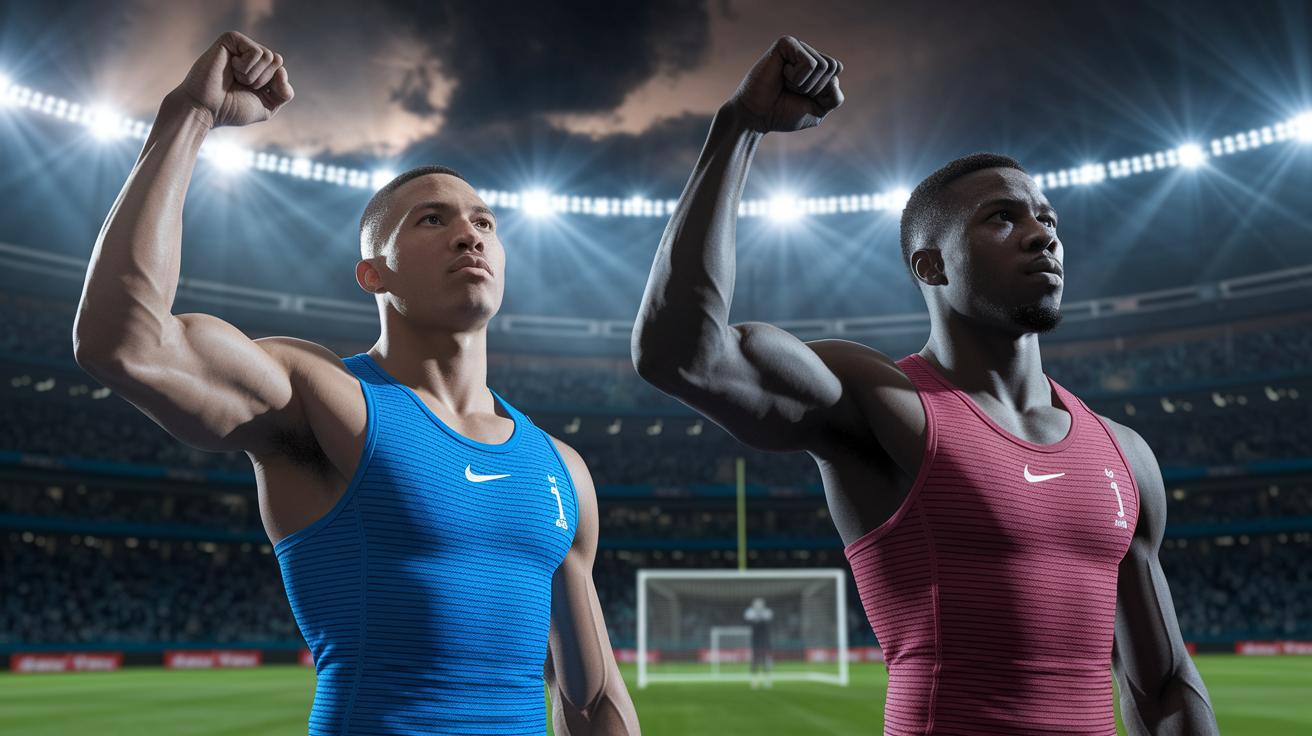
Sports protests can hit hard, stretching far beyond the game itself. Back in 1968 at the Mexico City Olympics, athletes raised their fists during the national anthem, a bold move that called out racial injustice and shook the entire sports world. That strong image set the stage for more protests, both on the field and off.
Fast forward to today, and we still see athletes using their platforms to make a point. Think about Colin Kaepernick, whose 58-game kneel against police brutality made the NFL face up to systemic issues. Or the U.S. Women’s Hockey team, which even threatened a boycott to spotlight wage discrimination. And who could forget the St. Louis Rams, raising their hands in solidarity after Michael Brown’s death? Each of these moments got leagues talking about fairness and equality long after the final whistle.
Off the field, the movement is just as energetic. Jordan Brand answered the call after George Floyd’s death by launching a $140 million Black Community Commitment. Meanwhile, Patrick Mahomes rallied for the NFL to officially support Black Lives Matter. Even veteran activist John Carlos, known for his work on Coaches vs. Racism panels, continues to bridge past protests with today’s fight for justice. With hints of potential protests at the Tokyo Olympics, athletic activism is always evolving.
At its core, sports are not just about competition, they’re a stage for powerful social change. Every protest reminds us that athletes are more than players; they’re bold voices driving dialogue and pushing for policy shifts that reach far beyond the arena.
Contemporary Athlete Activists Driving Social Change
Today’s sports heroes are doing more than just playing the game – they’re stepping up to shake things up. Take Colin Kaepernick, whose NFL anthem kneel still echoes as a bold stand against police brutality and injustice. And then there’s LeBron James and the Miami Heat, who paid tribute to Trayvon Martin, using their spotlight to rally support for unarmed youth. Ever feel that rush when someone uses their platform for real change?
Jimmy Bartel made his mark in the AFL by skipping his shave for an entire season, sparking honest chats about domestic violence with a look that was as daring as it was unforgettable. Across the globe, Adam Goodes has taken a stand for Indigenous rights by co-founding a football academy that empowers local kids and challenges old stereotypes in a fresh way.
David Pocock brings serious passion to his activism. He champions better opportunities in women’s sports, backs LGBT rights, and even pushes for climate action and support for those with disabilities. His fight reminds us that true change isn’t limited to one play or one sport. Then there’s Cathy Freeman, whose role in lighting the cauldron at the 2000 Sydney Olympics lit up hearts with hope, unity, and the magic of one unforgettable moment.
Meanwhile, Anthony Mundine has long used his roots in Redfern to spark deeper conversations about political activism. These incredible figures show us that modern activism in sports isn’t just about winning games – it’s about changing communities and inspiring us all to be a little braver.
Career Impacts and Public Reactions to Athlete Activism
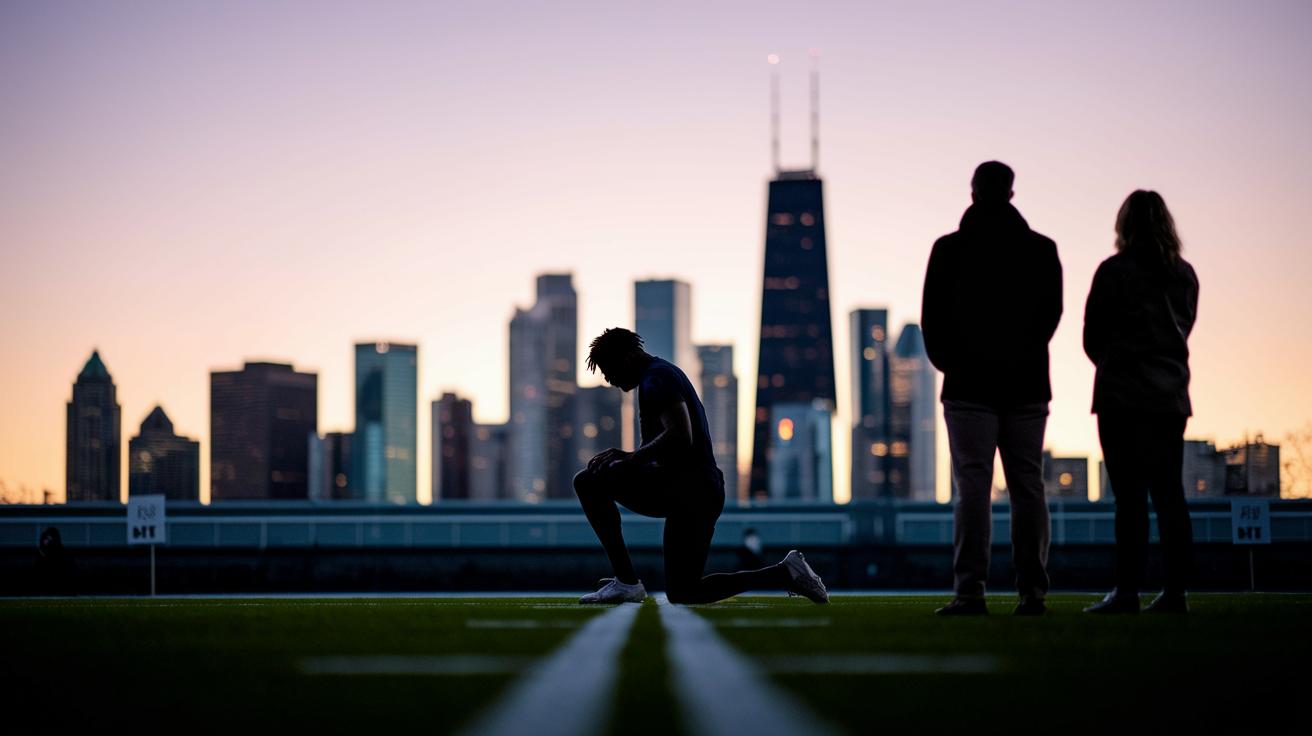
Colin Kaepernick changed the game when he knelt during the national anthem. His brave stand against police brutality rocked the NFL and ended his time in the league. While many fans cheered him on, some team bosses and league officials pushed him aside, showing that taking a stand on big issues can cost you dearly.
Jimmy Bartel made his mark by campaigning against domestic violence in a way few expected. He even went a whole season without shaving to keep the conversation going, sparking talks far beyond the sports field. At the same time, LeBron James spoke out about police brutality and managed to keep his career soaring, proving you can stand up and still win big on the court.
Muhammad Ali refused to back down during the Vietnam War and for civil rights, even though it meant getting banned from boxing and having his service delayed. Similarly, Anthony Mundine faced strong media backlash for pointing out his community’s political struggles. And then there's Michael Long, who used his spotlight to push for indigenous rights through community outreach programs that touched many lives.
All these stories show that standing up for what you believe in can lead to both big rewards and harsh pushback, proving that taking a stand in sports often comes with serious risks.
Digital Era and Media Strategies of Athlete Activists
Today, athlete activists are all over digital platforms, making sure their voices are heard loud and clear. Take Kyrie Irving's Zoom call discussing a possible NBA bubble boycott. After chatting with John Carlos, he sparked a real-time debate, all from his living room. Here's a fun fact: in one virtual meeting, a simple Zoom call turned into a rallying cry for change. Even from behind a screen, an idea can light up the world.
Athletes now use Twitter and Instagram to share strong messages with hashtags that bring people together. Their posts feel like mini-protests, echoing themes of justice and unity to millions. And then, livestreams deliver these raw moments straight into our homes, so you just can’t ignore their calls for change.
Jordan Brand recently kicked off a digital campaign for a $140 million Black Community Commitment to really support local communities. This shows how digital campaigns can bring real, solid results. At the same time, panel discussions have started calling out celebrities for empty gestures after George Floyd's death, asking them to put actions behind their words.
Broadcasting these events can be tough; they have to juggle live sports commentary with urgent stories of social change. Athletes now balance two worlds: the heat of the game and the digital space. Their activism leaves a mark that lasts way beyond the final whistle.
The Future Trajectory of the Athlete Activism Movement

The future of athlete activism is going to be even more exciting. The Tokyo Olympics already set the stage, with fans buzzing over new kinds of protests that mix top-level athletic skill with a strong call for change. Even athletes from neighborhood leagues are now stepping into the spotlight, speaking up on hot topics like environmental action and social justice.
There’s a growing push for the big sports bodies to rethink their rules as more athletes lead the way. Picture college players huddling up with professionals to shake up league decisions. It’s like watching your favorite team work together, each member adding their own unique play to score for the greater good. Soon, champions at all levels might help drive major changes in our sports world and beyond.
Young sports stars are showing us that passion for the game and a desire to make real-world changes go hand in hand. Their energy reminds us that being a sports star means more than just playing well, it means standing up for what matters, both on the field and in our communities. It’s a thrilling new chapter where the spirit of competition meets the drive for social progress.
Final Words
In the action, we witnessed the spark of change on the field. This piece covered bold pioneers, memorable protests, digital plays, and glimpses of what the future holds. The journey from early trailblazers to modern icons shows how raw passion on the field spills over into real-world change. Athlete activists continue to rise, inspiring crowds and shaking up the sports scene. Every play reminds us that sports are more than just competition, they’re a platform for progress and hope.
FAQ
Who are some famous athlete activists today?
The famous athlete activists today include Colin Kaepernick and LeBron James, who use their platforms to speak out on issues like racial equality and police brutality while inspiring fans to support social change.
What is an example of athlete activism?
An example of athlete activism is the 1968 Mexico City protest when Tommie Smith and John Carlos raised their fists in solidarity, sparking a global conversation on civil rights.
Is LeBron James an activist?
LeBron James is an activist who leverages his fame to address social and racial issues, using his voice and influence to rally support for reforms in communities across the nation.
Who is the most well-known activist?
Muhammad Ali is widely recognized as a standout activist, famous for his bold stances against the Vietnam War and his enduring fight for civil rights both in and out of the ring.
What are the top 10 athletes of all time?
The top 10 athletes of all time include legends like Muhammad Ali, Billie Jean King, and Jesse Owens, many of whom are also celebrated for using their sports achievements to champion important social causes.