
Ever wondered if your favorite sport might be riskier than you think? Recent numbers show that even activities you assume are safe can lead to surprising injury counts. In 2020, accidents during biking, on exercise equipment, and at other everyday sports startled teams and fans alike. It goes to show that no sport is completely free of risks.
Stick with us as we break down the sports with the toughest injury battles and share smart tips to help you stay safe both on the field and off.
Top Sports Generating the Most Injuries in 2020
2020 really threw us a curveball when we dug into the injury numbers across different sports. Bicycling, for example, topped the list with 425,910 reported injuries. And even sports that we’d normally expect to be rough-and-tumble couldn’t keep up. Imagine an athlete on exercise equipment, one little misstep led to 377,939 injury cases nationwide.
Every sport comes with its own set of risks. Take skateboards, scooters, and hoverboards, they combined for 217,646 injuries. Basketball and football weren’t far behind, reporting 214,847 and 122,181 injuries, respectively. Even activities that seem less dangerous, like using playground equipment (120,829 injuries) or bouncing on trampolines (106,358 injuries), show that accidents can catch anyone off guard. These numbers remind us to stay cautious and emphasize why we need improved safety measures at our sports facilities.
Check out the table below for a quick look at how injuries stack up across the top activities:
| Sport | Injuries |
|---|---|
| Bicycling | 425,910 |
| Exercise Equipment | 377,939 |
| Skateboards, Scooters, & Hoverboards | 217,646 |
| Basketball | 214,847 |
| Swimming | 129,708 |
| Football | 122,181 |
| Playground Equipment | 120,829 |
| Trampolines | 106,358 |
| Soccer | 81,452 |
| Baseball/Softball | 70,209 |
Injury Occurrence by Discipline: Contact vs. Non-Contact Sports
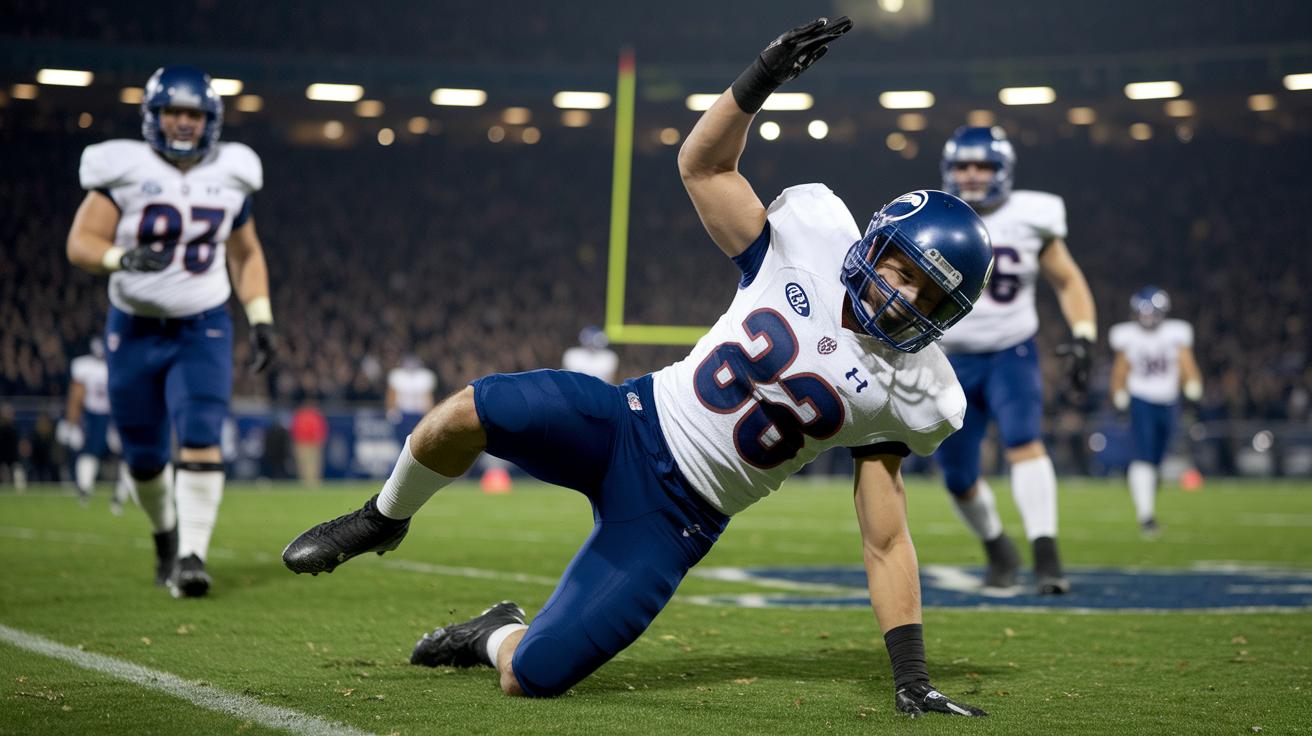
Football is a tough, hard-hitting sport where big collisions can really take a toll. In football, players often suffer concussions, brain injuries, and damage to both their chest and arms. Picture this: one massive tackle, the crowd roaring, and suddenly a player is down with a concussion. Because these injuries are so common, using proper techniques and having solid protective gear is key.
Switch over to a sport like basketball, where it’s less about crashing into opponents and more about quick moves and sharp turns. Even though you don’t see full-body collisions as often, basketball still brings its share of injuries, about 36.3% of all sports injuries come from the fast cuts, sudden stops, and hard landings on the court. Imagine spiking for a rebound and landing awkwardly; that awkward moment can easily sprain your knee or ankle.
Then you’ve got baseball/softball and soccer, each behind the scenes with roughly 18% of the injuries. In baseball, players face face and head injuries making up more than 15% of cases. And in soccer, female players deal with concussions about 11.5% of the time, the highest rate among team sports. These stats show just how different each sport can be when it comes to staying safe while playing.
Isn’t it wild how every game comes with its own set of risks? Stay sharp, and enjoy every moment on the field.
Age and Competitive Level Patterns in Sports Injuries
More than half of U.S. kids aged 6–17 now join in sports, a huge jump up from less than 10% back in the early 1970s. It’s like the whole game has changed, imagine cheering at a high school football match where one move can flip the season. This rise in young athletes means not only do we see more injuries, but they’re often tougher too.
Football really takes the spotlight here. Over 80% of football injuries happen to players under 18, compared to under 66% in other sports. This shows just how rough things can get on the field, with big hits and fast plays putting these young players in danger. And as high school and college games draw bigger crowds, we’re noticing that these injuries not only happen more often but can also be more severe.
Even when players move up to the pro leagues, the effects of earlier injuries can still be a big deal. This tells us that strong coaching, careful training, and smart injury prevention from youth leagues right up to the top level can really make a difference on and off the field.
Injury Types and Underlying Risk Factors Across Popular Sports
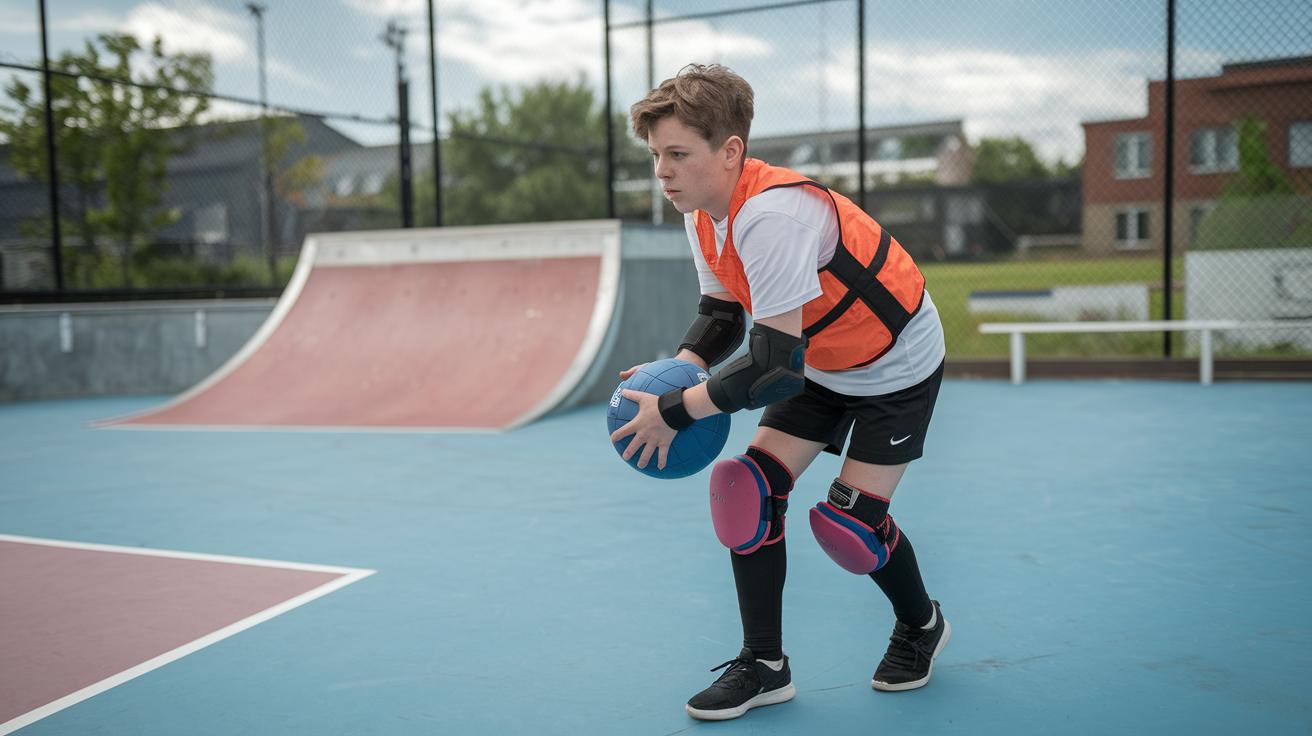
Every sport brings its own set of risks. Take cycling or board sports like skateboarding and using scooters, for example. These sports often lead to broken arms or wrists, bruises, and even little scrapes that feel like ripping your skin off a rough surface. You know that sting when safety gear isn’t used? It’s a clear reminder why wearing the right protection matters.
Basketball is fast and furious, and every move counts. Quick turns and high jumps sometimes cause ankle twists, knee injuries like ACL tears (a hurt knee that makes stability hard), or even broken fingers. And let’s not forget concussions, which can happen when players bump into each other during those intense moments. Ever felt your heart race during a close game? That’s the thrill and risk of every play.
Swimming might look calm, but repetitive strokes can lead to issues like swimmer’s shoulder or tendonitis. These overuse injuries sneak up on you when muscles and tendons get overworked. Meanwhile, football, with its full-contact action, mixes quick hits that cause concussions or ACL tears with hard tackles that lead to sprains and fractures. Even in casual softball games, sudden sprints can pull a hamstring, surprising athletes who might think they’re just out for fun.
Other factors add to the risk too. The type of playing surface, weather, equipment quality, and even the age or background of the players all play a part in injury chances. By paying attention to these details, coaches and athletes can tweak their training and safety routines to keep the game exciting while staying as safe as possible.
Strategies for Reducing Injuries in High-Risk Sports
Staying safe in high-risk sports begins with the right gear and smart training. Helmets and pads aren’t just accessories, they protect you from serious harm. Imagine taking a fall with a helmet on and only ending up with a minor bump instead of a concussion. It really makes a difference.
In sports like cycling and skating, wearing your helmet and wrist pads can cut down on head and wrist injuries. Meanwhile, basketball and volleyball players add jump-landing drills to strengthen their lower body and improve balance. It’s just like building up a solid base for every move on the court.
For soccer players, neuromuscular training is a real game changer. This type of practice boosts coordination and reactive balance, which helps reduce injuries like ACL tears. And in football, focusing on good tackling techniques and off-season conditioning is key. Picture perfecting a tackle that not only wins the play but also keeps you safe.
Even in sports like trampolining, using safety nets and following single-user rules makes a big difference. And weekend softball players can lower their risk of hamstring strains with a good warm-up, stretching, and easing into the season. Clear, consistent training and proper techniques keep everyone on the field and out of the injury reserve.
Final Words
In the action, we broke down the numbers and trends in which sports have most injuries. We saw injury counts from cycling to basketball and compared contact play with less-impact areas. Age and competition levels added more color to our analysis. Injury types and key risk factors were tied directly to real-life game scenarios. We wrapped up with clear strategies to help athletes and fans stay safe. Enjoy the rush of the game while keeping safety in focus, and let your passion shine on and off the field.
FAQ
What sport has the most injuries per year?
The data show cycling records the highest with 425,910 reported injuries in 2020, making it the sport with the most injuries annually.
Which sport features the most severe injuries?
The severity of injuries is high in sports like football and basketball due to contact elements that lead to concussions, fractures, and ligament tears.
What sport has the most injuries in high school?
In high school, football stands out; more than 80% of its injuries occur in youth players, highlighting its heightened injury risk among younger athletes.
Which sport has more injuries, basketball or football?
While both see plenty of injuries, football usually has more severe cases like concussions, whereas basketball suffers more from lower-extremity injuries.
What are the most common sports injuries?
Common injuries include concussions, ACL tears, ankle sprains, fractures, and overuse injuries, varying by sport and influenced by activity style.
What are the top five most common sports injuries?
The top five injuries are concussions, ACL tears, ankle sprains, fractures, and tendonitis, each frequently occurring due to rapid movements and impacts.
Which sport has the least injuries?
Baseball/softball reports the fewest cases, with 70,209 injuries, making it one of the sports with the lower overall injury counts.
What are the professional sports injuries statistics?
Professional statistics show basketball accounts for 36.3% of injuries, football 26.5%, while both baseball/softball and soccer contribute 18% each, reflecting diverse risk profiles.
| Sport | Injuries |
|---|---|
| Cycling | 425,910 |
| Exercise Equipment | 377,939 |
| Skateboards, Scooters & Hoverboards | 217,646 |
| Basketball | 214,847 |
| Swimming | 129,708 |
| Football | 122,181 |
| Playground Equipment | 120,829 |
| Trampolines | 106,358 |
| Soccer | 81,452 |
| Baseball/Softball | 70,209 |