
Ever noticed how one play can change the entire game?
After every match, teams sit down with clear video clips and simple notes, spotting what rocked and what needs improvement.
Imagine a coach catching the exact moment a defense shifted into a speedy counter-attack (a quick move that turns defense into offense) and sparking a fresh game plan.
This review isn’t just a replay, it’s like a sneak peek into the strategies that pave the way for future wins.
Essential Components of Post-Match Review and Analysis
After a big game, teams take a hard look at everything that happened. They dive into detailed video clips and data to figure out what clicked and what needs work. Launched on August 8, 2021, and connected with the Winter Cup 2026 soccer event, this process helps coaches and players see both their strengths and areas for improvement.
Coaches and analysts use simple tools like real-time tagged videos to catch every exciting moment. Imagine a coach noticing how a sudden shift in defense turned into a quick counter-attack, it's as clear as watching a fast break in basketball. This blend of video playback and solid data makes each review both hands-on and eye-opening.
This review system sets high expectations by offering straightforward game summaries. It sparks open talks about what needs to change and how to win the next match. With detailed stats and expert insights, these post-game chats boost confidence and fine-tune strategies, ensuring teams evolve with every play.
Tactical Breakdown in Post-Match Analysis

Match-day videos captured live let coaches see team tactics unfold right before their eyes. Coaches quickly tag those key moments as they happen, setting up a strong foundation for breaking down formations and player movements.
After the game, tools like Hudl Sportscode and Hudl Coda come into play. Coaches add extra tags to each clip to nail down every strategic detail. This allows them to whip up a fast play-by-play review with clear insights on the tactics used.
- Real-time tagging of formations and player movements
- Fine-tuning tags after the match with Sportscode
- Creating tactical theme sequences in Coda
- Using XML data to layer in possession stats and pass-map details
- Matching live tags with play-by-play events
By importing event data via XML from sources like Wyscout, Opta, and Ortec, teams pull together a full review. This approach links on-the-spot tags with rich statistics, spotlighting both brilliant plays and weak spots. Coaches rely on this detailed process to adjust formations and on-field strategies, making sure every move is studied to lift team performance moving forward.
Evaluating Team Dynamics in Post-Match Review
After the final whistle, teams dive into review sessions to see what really went down on the field. Coaches gather everyone, full squads, position groups, and even individual players, to break down every play. It’s like watching highlights of your favorite game, catching those moments of smooth passing, quick rotations, and rapid switches that make a real impact. They compare video clips with what players felt during those intense moments to find out when their teamwork shined and when it lagged.
Next, teams use these insights to plan their next move. Coaches share direct feedback on things like pressing, rotations, and how quickly they switched from defense to attack during crucial plays. This detailed chat helps players see exactly where they fit into the game plan. And with honest feedback and open discussions, the team builds stronger bonds and sharper strategies for the next game.
Each review session turns a bunch of clips into a playbook for progress. The process is all about learning, tweaking tactics, and feeling that shared rush when everyone knows their role. It’s a continuous push to make sure every player contributes to a more synchronized and dynamic performance on game day.
Player Performance Critique During Post-Match Analysis

Players can check out their game footage anytime on their computer or phone to see exactly how they played. They can rewatch key moments like tackles, shots, or positioning on defense to see how well they did. Each clip is like a mirror that helps them evaluate their technical skills and decision-making right when the pressure was on. This hands-on tool makes it easy for them to spot what worked and what needs a bit more practice.
Tools like Sportscode XML import and export add even more detail by breaking down every action. Coaches can tag specific plays and share the data with players, pointing out the moments that need a closer look. This detailed review creates a clear picture of each player’s skills and gives practical tips for improvement, making sure every move is noticed and refined for the next game.
Statistical Evaluation for Post-Match Review and Analysis
Today, coaches don’t just rely on video highlights, they mix core match stats with tactical smarts to get a real feel for the game. Using XML feeds from Wyscout, Opta, and Ortec, they see key numbers like expected goals (xG) and pass success rates (a simple way to measure accuracy). Things get even more interesting when these figures are compared game by game. For example, breaking down xG by different phases of the match might show why a substitution completely changed the momentum. Ever notice when a striker’s xG suddenly drops in the second half? It’s a clear sign that a new strategy was needed.
Digging into these detailed stats gives coaches the context they need to fine-tune tactics. They can review real examples, like when a rise in zone entries lines up with a smarter defensive shape. This approach not only shows what worked on the field but also shapes sharper and more focused training sessions. You can always check out the core match stats in the match facts for a quick look at these enhanced insights.
Highlight Moments Recap and Critical Event Evaluation in Post-Match Review
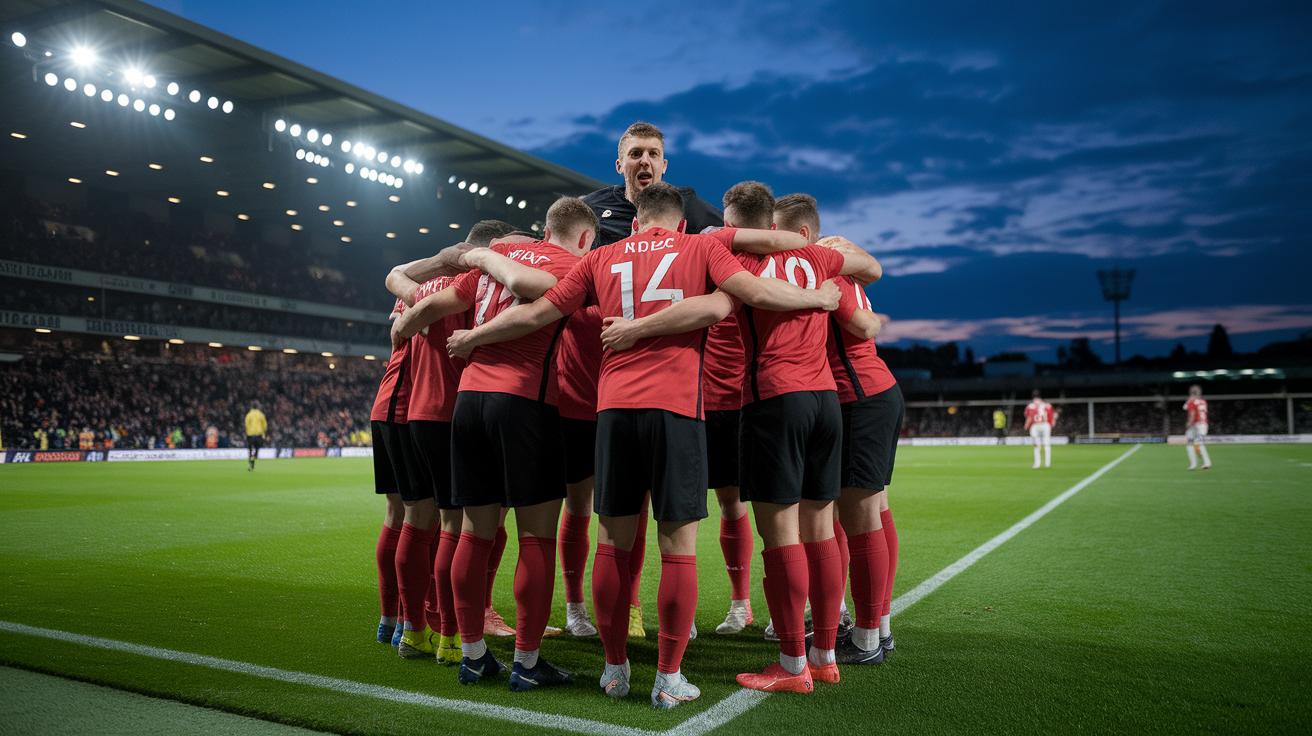
Right after the final whistle, teams jump into action looking for those crucial turning points. Coaches shout "START NOW" to mark the key plays that really changed the game.
- Spotting when possession shifts lead to a goal
- Noticing when defense slips up
- Highlighting the moments that shift the game’s momentum
- Checking how well set pieces were handled
In the review meeting, coaches and analysts dig into each of these moments to pull out winning ideas. They compare every key play with how the team performed overall, spotting both mistakes and chances to get better. Each big play, from the amazing goals to defensive blunders, is used to sharpen the game plan. By watching these moments again with the review match point tool, teams see how every twist and turn affects the whole match. This clear focus on the important plays turns raw game footage into smart advice that helps make better decisions and boosts team performance for future games. All these insights help teams keep making game-changing moves and stay competitive throughout the season.
Implementing an Effective Post-Match Review Workflow
Teams now follow a single, smooth process after each match that mixes video capture, tagging, data, and deep analysis. Starting December 22, 2021, this method turns raw footage into clear, actionable game insights, all in one go.
Video Capture and Distribution
A central video bank lets coaches and players dive into the full game recording right away. Think about it: immediately after the final whistle, the game footage lands in everyone's inbox, so no play gets missed.
Real-Time and Post-Match Tagging
Live tagging tools mark the big plays as they happen, and later, tools like Sportscode and Coda fine-tune those moments. Imagine a coach quickly spotting a brilliant counter-attack that lights up the strategy board.
Event Data Integration
XML feeds from sources like Wyscout, Opta, and Ortec layer key match stats over the video. Picture detailed numbers on possession and passing patterns blending with the game footage to give a full picture of each play.
By using this all-in-one framework, teams sharpen their tactics and keep their post-match reviews focused and efficient.
Expert Commentary and Coaching Insights in Post-Match Analysis

Coaches and analysts bring game-day insights into the post-match review by sharing their personal takes on every play. They mix coach quotes with player interviews, turning raw stats and video clips into simple advice anyone can follow. Ever noticed how one smart move can change the game? That’s what they’re talking about, a quick defensive switch or a missed chance that shifts the whole flow of the match.
Then, analysts add even more color by linking tactical data to the heat and hustle on the field. They use real case studies to show how one decision can wake up a whole team. This blend of firsthand coach feedback and on-the-ground analysis gives players and staff a clear playbook for what worked and what could be even better next time.
Final Words
in the action, we broke down everything from tactical tagging to crucial statistical overlays, showcasing how every detail sharpens the game plan. We spotlighted key plays, team dynamics, and expert views that add depth to every match recap.
This post-match review and analysis brings out the best insights, empowering teams and fueling fan excitement. The energy of the game lives on in every spirited moment we capture.
FAQ
Q: What does post game and post-match analysis or review entail?
A: Post game and post-match analysis break down the match using video and data to spot strengths and weaknesses. This process helps teams and players fine-tune tactics and improve future performance.
Q: What are the 4 P’s of soccer?
A: The 4 P’s of soccer refer to possession, passing, positioning, and pressure. These elements guide how a team maintains control and builds momentum during a game.
Q: What are the 4 stages of performance analysis?
A: The 4 stages of performance analysis involve capture, tagging, data integration, and review. Each stage builds on the last to create a complete picture of a team’s performance.