
Ever wonder if a bit of math could be your team’s secret playmaker? Picture game theory as turning a regular match into a thrilling game of chess, where every move counts. It shows how players and coaches plan ahead, weighing risks and rewards like balancing offense with defense. By seeing each decision as a smart play, teams can ditch predictable moves and catch their rivals off guard. In this post, we dive into how game theory turns split-second choices into winning strategies on the field.
Fundamentals of Applying Game Theory to Sports Strategies

Imagine you're at a game where every move counts and everybody is guessing your next play. Game theory is a clever way to break down how players decide their actions when they know their opponents are doing the same. It brings in cool ideas like Nash equilibrium, mixed strategies, and payoff matrices.
Nash equilibrium is when neither side can get an edge by changing their plan on their own. Picture that moment when both teams settle on their moves, and tweaking their strategy seems too risky. It’s like a balanced pause in the action , both sides know that one little change could backfire.
Mixed strategies are all about keeping things unpredictable. A coach might switch up plays between a pass or a run so defenders never know what’s coming next. It’s that surprising burst of action that can flip the game in an instant. Ever felt that rush when your team pulls off a play you didn’t see coming?
A payoff matrix works like a simple table listing all possible outcomes and showing the risks and rewards for each play. Think of it as a cheat sheet: a coach checks the grid to see which move might lead straight to a goal and which could leave them open to a counterattack.
To kick things off, consider this: early adopters of these game theory strategies saw their teams jump to a new level as opponents were forced into constant guesswork.
In short, this game theory framework gives coaches a smart way to weigh risk and reward. By breaking down every possible play, teams can better predict and counter their rivals, setting the stage for a winning performance every time they step on the field.
Decision-Making and Payoff Analysis in Game Theory Sports Strategies
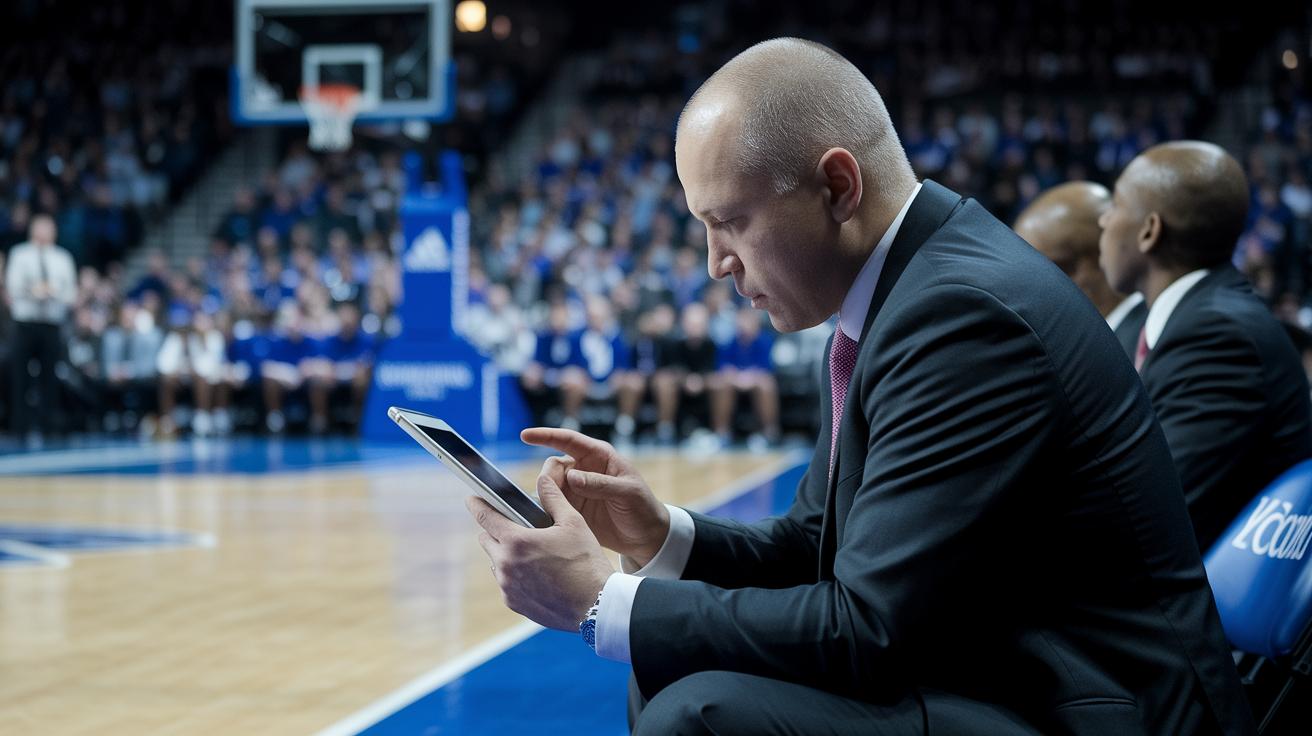
Coaches are mixing cutting-edge analytics with a deep read on player feelings and classic decision theory to sharpen their tactics when the pressure is soaring. They use smart sports analysis techniques (check out https://muleforce.com?p=562) that blend clear payoff checks with split-second decisions based on live stats and players’ moods. In the heat of a game, even tiny shifts in stress or emotions can completely change a play.
Take a recent playoff overtime, for instance. One team suddenly switched up their strategy based on fresh payoff insights, turning the game on its head. It’s moments like these that remind you how one smart move can flip the entire match.
These decision tools are now at the heart of every play. Teams are calling their plays on the fly to keep opponents guessing, using both stats and subtle psychological hints. In a way, it’s like reading the game in real-time, tracking every pulse and cue to stay one step ahead.
| Concept | Definition | Sports Application |
|---|---|---|
| Nash equilibrium | The point where no player can switch tactics without messing up the balance. | Often seen in overtime when any move might shake the overall team vibe. |
| Payoff matrix | A simple grid that links moves to outcomes, showing the risks and rewards. | Now updated with live numbers, including player stress and performance trends. |
| Mixed strategy | Using a variety of tactics in a random way to keep the opposition on their toes. | Modern teams mix in psychological cues to ensure defenses never know what’s coming next. |
| Zero-sum | A situation where one team’s gain is exactly the other team’s loss. | High-stakes matches use detailed stats to spot those small, game-changing shifts even in a fleeting moment. |
Case Studies of Applying Game Theory to Football, Basketball, and Soccer

Football Penalty Kicks and Formation Choices
Football is where game theory really comes alive, especially during those nail-biting penalty kicks and those smart formation tweaks. Coaches mix up their choices on purpose to leave goalkeepers guessing. When a kicker steps up, the decision to shoot to the left, right, or even go center is a quick mind game that can surprise anyone. A tiny change in formation or running direction at that moment can flip the match in a heartbeat. It’s like watching a high-stakes chess game unfold on the field!
Basketball Play-Calling Strategies
In basketball, every second counts and game theory helps coaches keep their moves unpredictable. They mix planned plays with spontaneous changes in the lineup to keep defenders on their toes. Imagine the thrill when a coach calls a surprise timeout or switches up the offense at the last possible moment – it can disrupt the other team’s rhythm in a flash. These real-time adjustments spark the energy that can totally turn the tide of the game.
Soccer Formation and Tactical Shifts
Soccer teams also get crafty by using game theory to adjust their tactics on the fly. Coaches study how opponents move and then shift their formations to poke holes in the defense. One minute a team might ramp up the offense, and the next, they pull back to solidify defense – creating a constantly changing game flow. This kind of smart, agile switching makes it nearly impossible for rivals to predict the next move. It’s all about seizing the right moment and making every play count!
Practical Coaching Frameworks for Game Theory in Sports Strategies
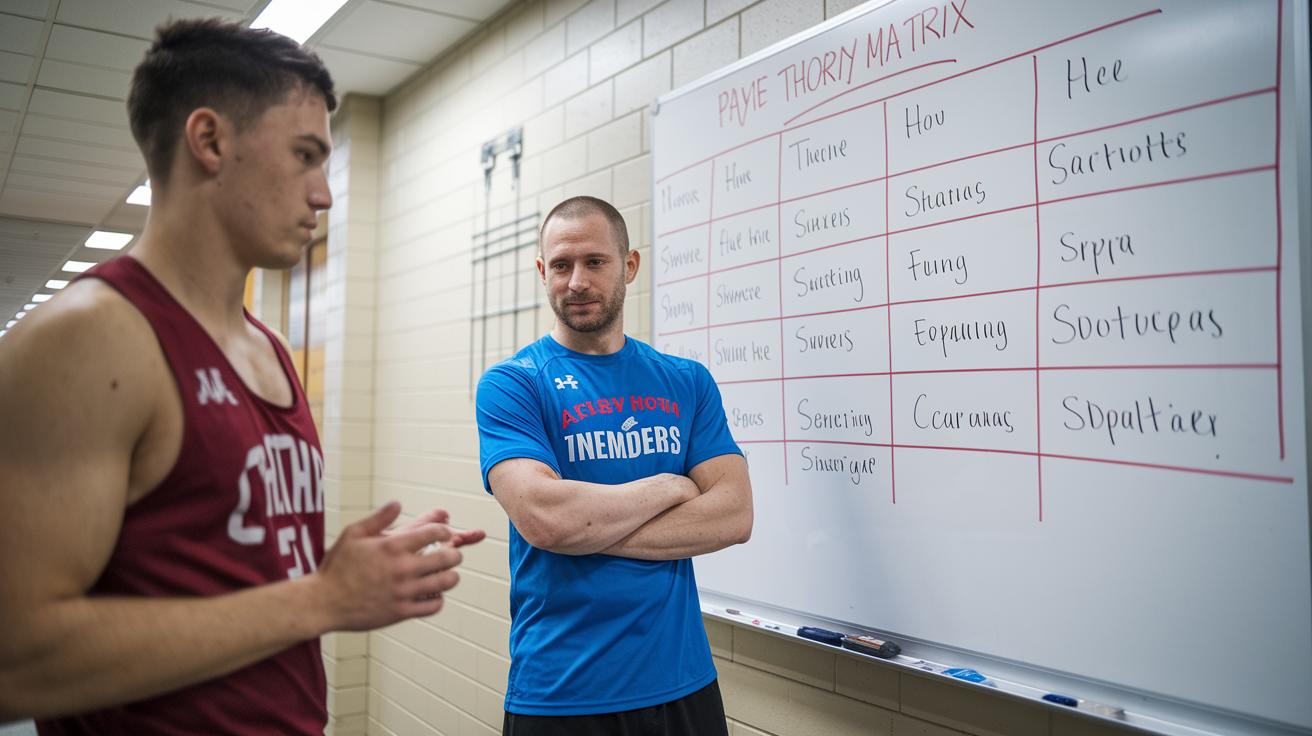
Coaches can use game theory in training to mimic the wild twists of a real game. They set up drills that feel like game-day pressure, forcing players to quickly decide and adapt. Picture team drills where every move must be in sync mixed with solo drills that nail down positions. It’s a hands-on way to teach players the balance between risk and reward so they can make those quick, clutch decisions when the pressure is on.
- Build drills using a payoff matrix so players learn to weigh their options
- Try mixed-strategy rotations during scrimmages to keep things unpredictable
- Run decision-tree exercises under time crunches to train quick thinking
- Recreate opponent tactics so players get used to reacting fast
- Look over practice data to fine-tune risk-reward choices
- Set up signaling drills to boost defensive coordination
- Wrap up with post-drill chats that hone strategic minds
Creating a team culture that digs into the details is a game changer. When players think hard about every move, they start to really understand the flow of the game. Regular feedback and honest chats about what clicked and what didn’t help build a team that learns together. This vibe of collaboration and open thinking turns simple drills into powerful practice, making sure every player is ready to jump in and shine on game day.
Sport-Specific Strategy Optimization Using Game Theory

Football Play-Call Equilibria
Football teams mix old-school run-pass plays with new real-time data. Coaches can spot when a defense is favoring one gap and quickly adjust their tactics. One coach switched things up mid-quarter from a 50/50 play to more running when he saw the defense overcommitting. Imagine a rainy game where a sudden push for the run surprises the defense and opens up the passing lanes.
Basketball Offensive-Defensive Mixes
In basketball, coaches lean on live stats to fine-tune their game even when the pressure is on. They might set up a fake press to bait an opponent into making a mistake, then switch to a tough defense as the ball moves. One team tricked the opposition with a set play and then quickly rebalanced their defense, kind of like sinking that buzzer-beater when the clock is ticking.
Soccer Dynamic Formation Adjustments
Soccer managers now keep an eye on patterns on the field to decide when to tighten up or push forward. If the opposing team is packed in one area, a coach might shuffle midfielders to take advantage of space down the sidelines. Picture a moment when the pressure builds, defenders ease off, and quick attackers find a gap, that sudden switch can spark a game-changing play.
Advanced Analytics and Simulation in Game Theory Sports Strategies
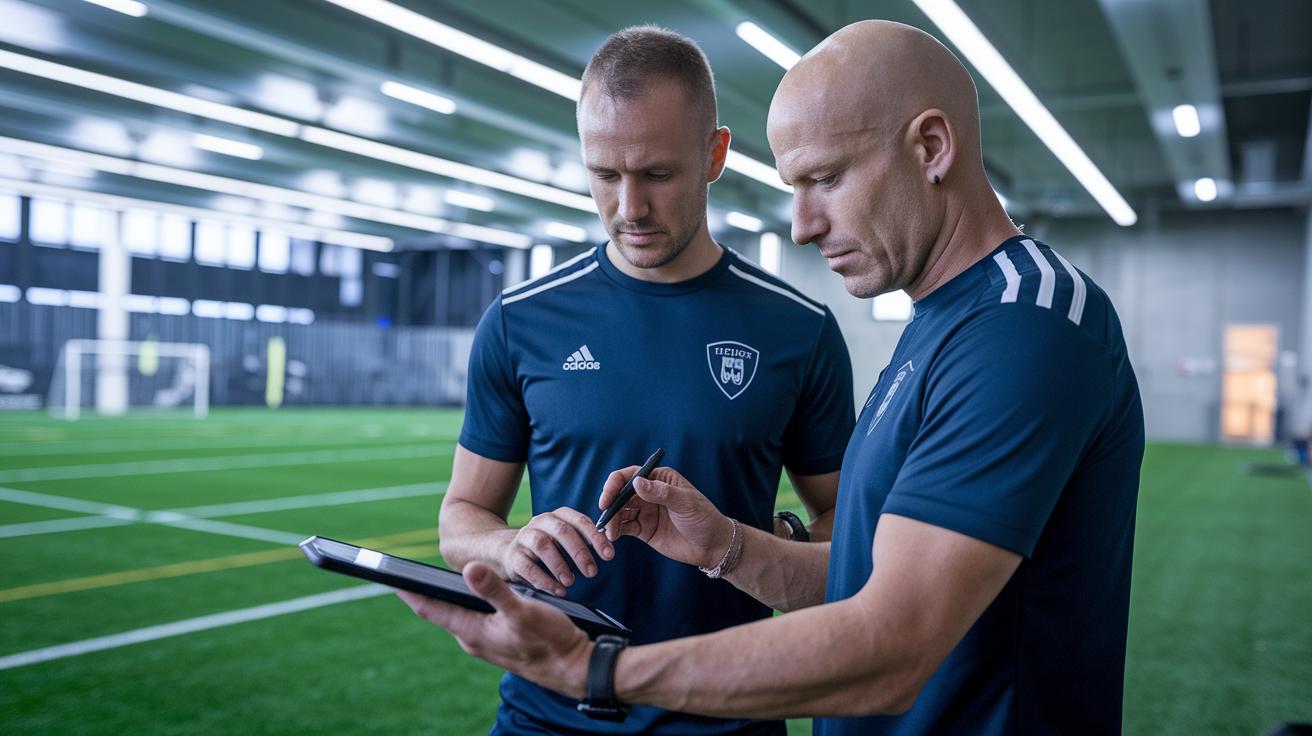
Sports strategy has really stepped up its game with cool analytics and simulation tricks. Coaches now lean on high-tech data models that mimic real game scenarios, making split-second decisions feel laser-focused. Every play is loaded with detailed insights that pull you right into the action.
These digital tools work like a well-oiled machine, crunching massive match data to turn raw numbers into smart, clear strategies. Imagine a team rehearsing different moves in a virtual arena; it's like practice with the adrenaline of a live match. This helps them switch tactics on the fly, using predictions to read opponents and balance the risks with rewards.
Modern analytic tools mix live sensor data with pre-game stats so coaches can adjust their game plan instantly. They even use dynamic simulations during play to see potential outcomes before committing to a move. Platforms like the post-game analysis breakdown take it further by digging into every performance detail, sharpening strategies over and over again.
All in all, blending tech with game theory is like adding rocket fuel to a team's playbook. It not only boosts in-the-moment decisions but also builds a cycle of constant improvement, setting teams up for unstoppable future success.
Final Words
In the action throughout this post, we saw game theory break down key plays, from defining mixed strategies and payoff matrices to examining real-life case studies in football, basketball, and soccer. We explored practical drills and coaching steps that spark smarter decisions on the field. These insights, including applying game theory to sports strategies, show how a blend of analytical tools and on-field creativity can boost team performance. Smart moves and teamwork truly make every moment count on game day.
FAQ
What does applying game theory to sports strategies cover (PDF and example)?
The applying game theory to sports strategies materials show how mathematical models like payoff matrices and Nash equilibrium guide coaches in predicting moves and making smart tactical choices across different sports matches.
How is game theory used in football?
The use of game theory in football involves weighing options like run or pass calls, optimizing penalty kicks, and setting defensive strategies with tools such as payoff matrices and equilibrium analysis to outsmart opponents.
What does game theory in sports mean and what are examples of its strategies?
Game theory in sports is a math model that evaluates team decisions under competition. Examples include using mixed strategies to balance offense and defense and applying Nash equilibrium to determine optimal play choices.
How does game theory apply to soccer?
Game theory in soccer involves adjusting formations and tactics by weighing risks and rewards through mixed strategies. This helps coaches respond quickly to opponent moves and capitalize on weaknesses.
How does game theory work in volleyball?
In volleyball, game theory guides decisions on serving strategies and player positioning. It uses probability and planning to create competitive advantages and counter opposing tactics effectively.
What does American football theory involve?
American football theory combines game theory principles with play-calling strategies. It helps teams analyze formations, balance run and pass plays, and make quick decisions to maintain a competitive edge.
How can I find local game theory insights near me?
Searching for game theory insights locally can yield seminars, workshops, or coaching clinics that mix theoretical models with practical sports strategies, offering practical insight and hands-on training.
What is game 7 in sports?
Game 7 in sports stands for the final, decisive match in a best-of-seven series. It brings high pressure and critical decision-making, where game theory concepts often shape vital choices to secure victory.