
Ever wonder how athletes turn the game into a stage for bold social change? It’s like watching your favorite team pull off a daring move that changes everything.
Stars aren’t just playing, they’re taking risks and calling out unfair systems, sparking lively debates along the way. Every protest or statement feels like a game-changing play that shouts, “We deserve fairness and justice!”
Think of the early trailblazers who battled huge obstacles and the modern icons who keep raising the bar. Moments like these make you pause and ask, “What should we really expect from sports?”
In this piece, we dive into how athlete activism shakes up the game and leaves a lasting mark on society.
Athlete Activism in Sports Opinions: A Comprehensive Overview
Athlete activism happens when sports stars use their fame to stand up for social justice and spark real conversations. It’s like a high-stakes game where every gesture, be it a protest or a bold statement, carries a message that goes way beyond the final score.
Sports have always been a stage for making big statements. Think of Moses Fleetwood Walker, who blazed a trail in pro baseball, or Jesse Owens, whose incredible runs at the 1936 Berlin Olympics left a mark on history. Ever remember when Jackie Robinson broke baseball’s color barrier or when Kathrine Switzer joined the Boston Marathon despite the odds? More recently, Colin Kaepernick’s 2016 decision to kneel during the national anthem and the Miami Heat’s 2012 stand for Trayvon Martin show that sports and social issues go hand in hand.
Each of these moments stirs up powerful discussions and sometimes even controversy. They challenge us to see sports not just as games, but as a force that can shift how we think about fairness and justice off the field too.
Historical Timeline of Athlete Activism in Sports Opinions
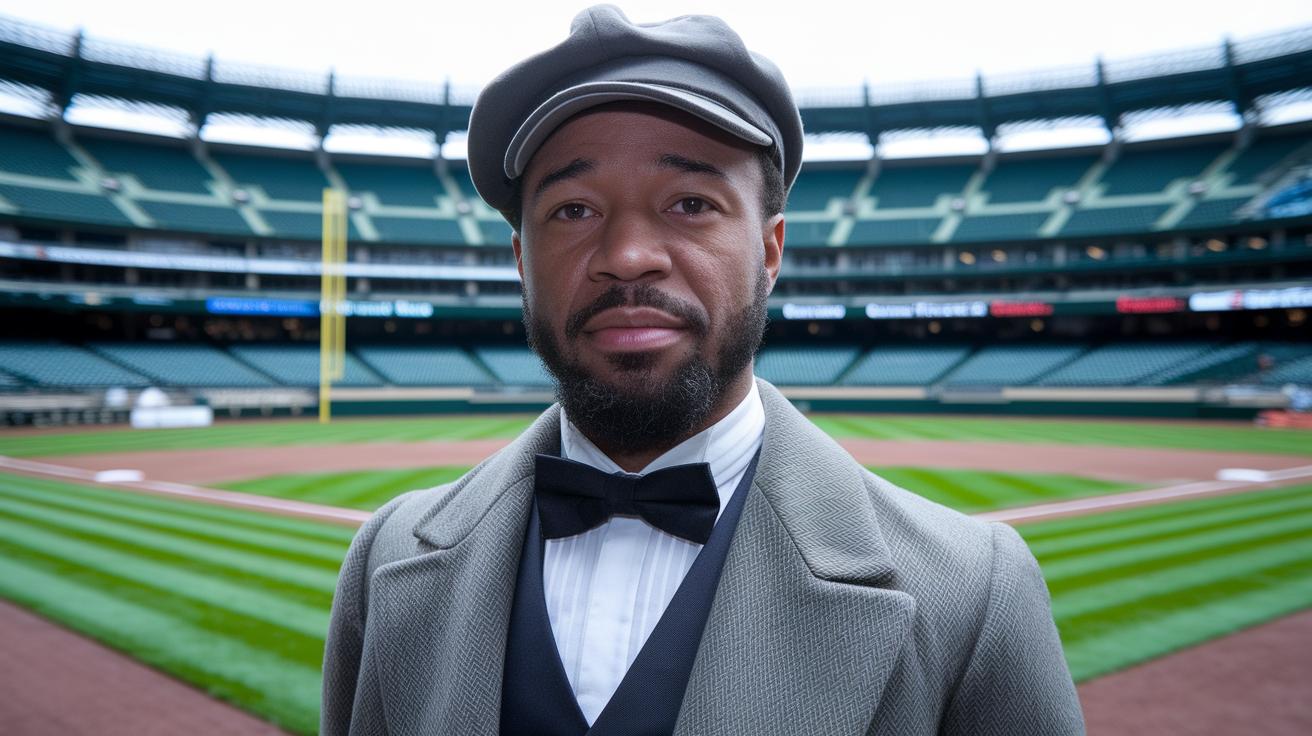
Over the years, athletes have turned their field into a stage for social justice and bold civic statements. Early trailblazers like Moses Fleetwood Walker broke racial barriers and set the stage for those who came after. Their fearless actions transformed sports into a battleground for fairness that got everyone talking. Every landmark moment pushed athletes to stand up and challenge societal injustices.
| Year | Athlete(s) | Event | Issue |
|---|---|---|---|
| 1883 | Moses Fleetwood Walker | Pro Baseball Debut | Racial Resistance |
| 1936 | Jesse Owens | Four Gold Medals | Defying Nazi Ideology |
| 1947 | Jackie Robinson | MLB Integration | Breaking Racial Barriers |
| 1967 | Kathrine Switzer | Boston Marathon Run | Gender Discrimination |
| 1968 | Tommie Smith & John Carlos | Olympic Salute | Racial Injustice |
| 2016 | Colin Kaepernick | National Anthem Kneel | Police Violence Protest |
These iconic moments show how actions on the field can spark big conversations off it. Think about Jesse Owens winning gold under huge pressure or Colin Kaepernick daring to protest during the anthem, each act has redefined what it means to stand for justice. Their bold, even if sometimes controversial moves not only break old boundaries but also inspire today’s athletes and fans to keep fighting for a fair and free society.
Contemporary Debates on Athlete Activism in Sports Opinions
In recent years, sports fans have witnessed jaw-dropping moments that fuel passionate debates. Remember the Miami Heat’s 2012 hoodie salute to Trayvon Martin? It struck a deep chord during a time of national sorrow. And then there were Georgetown players wearing "I can't breathe" T-shirts in tribute to Eric Garner. The St. Louis Rams even raised their hands after Michael Brown’s shooting, adding their voice to the mix. Not to mention Colin Kaepernick's powerful anthem kneel, along with WNBA players rallying for Brittney Griner’s freedom and Noor Alexandria Abukaram pushing for hijab rights in Ohio. Each bold act spins its own story, stirring up conversations that extend well past the scoreboard.
Media outlets have jumped in, amplifying these protests and mixing game talk with social commentary. Journalists capture the raw guts of these moments and the sharp criticism athletes face from commentators. Social media erupts with cheers, questions, and even doubts, as fans and critics clash over the moves on the field. Sponsorship deals now hang in the balance, with brands thinking twice before backing political stands. Every gesture lights up the air like the crisp buzz of a well-aimed pass, blending sports with powerful societal issues.
Team leaders and leagues are catching the wave too, shifting their playbook in real time. Some are easing up on restrictions to let players voice their beliefs, while others double down on keeping the traditional game intact. This split approach sparks plenty of internal debates and public chatter as they juggle tradition with a growing call for change. From briefings and policy tweaks to public statements, every move is a strategic play in the evolving arena of activism. It’s clear: athlete activism is no fleeting moment, it’s reshaping the very fabric of professional sports, sparking lasting change both on and off the field.
Expert Perspectives on Athlete Activism in Sports Opinions
A top sociologist recently shared a cool idea: sports have always mirrored society, reflecting big cultural debates. When athletes get on the field with signs of change or messages of protest, it goes way beyond the game. It's like watching a live stage show for social movements. Think back to the 1960s when protests in stadiums sparked huge changes in society, a fact that still surprises many today.
Athletes and coaches open up about their own battles under the bright lights of public attention. They often face a tough choice between staying neutral and speaking their minds. And believe it or not, saying something out loud is as risky as it is inspiring. One coach said that every time a player protests during a game, it can shift public opinions, even if it invites a lot of criticism and pressure. It really shows that each act of protest is both a personal struggle and a public statement.
Media editors point out that the rise of digital platforms has totally changed the way we see athlete activism. Now, stories about sports figures and their political views are told through various online channels, adding rich details to every event. Digital media lets us react instantly and keep the conversation going, making public opinion shift in real time. Editorial teams are working hard to capture the true mix of sports energy and transformative politics on every page.
Controversies and Criticisms of Athlete Activism in Sports Opinions
High-profile backlash and divided fans have made athlete activism a hot topic. Michael Jordan once said, "Republicans buy sneakers, too," and that quick comment sparked a storm of debate. Fans and officials reacted sharply to political hints in sports. The Bulls even let go of Craig Hodges after his protest against the Bush administration, adding fuel to the fire. Then there’s Colin Kaepernick, whose anthem kneel stirred up intense chatter among fans, sponsors, and league leaders. And remember the debates sparked by the 1980 U.S. Olympic boycott? Each example shows that even a simple act on the field can split opinion.
People also wonder if sports should stick to pure play or become a stage for speaking out on social issues. Critics say mixing politics with games muddies the focus and might push fans away. But many fans and athletes feel that players have a real duty to stand up for what’s right, even if it means shaking things up. This tug-of-war over political expression during competitions is far from over, leaving us to ask: where should the line be drawn?
Future Trends in Athlete Activism and Sports Opinions

The world of athlete activism is buzzing with energy. Athletes are taking their stories to social media and using their voices to fight for causes like mental wellness, rights for the LGBTQ+ community, and fairness between genders, all in plain sight. New areas, like eSports and women’s sports, are mixing their identity with activism while traditional sports are slowly giving room for more bold voices. Players are even working together on deals that include rules for social justice. It feels like the game plan is changing, and it could totally switch up how sports mix with social causes.
Experts say these shifts might change who sponsors teams, create new ways for fans to get involved, and even nudge changes in government rules. Companies could soon back athletes who proudly stand up for what they believe in. And fans might start to see their favorite players not just as stars on the field, but as champions off it too. It’s a whole new level of role modeling where every game becomes a chance to show how sports and society work together.
Final Words
In the action, we explored how athlete activism in sports opinions has shaped history, from early groundbreaking protests to modern debates that move the conversation on social justice. The blog journeyed through iconic moments, media responses, and evolving league policies that highlight the power of sports as a platform for change. This deep dive reminds us that passion and courage on the field extend beyond the game, inspiring fans to keep the spirit of progress alive. Stay energized, connected, and ready for the next bold play in sports activism.
FAQ
What is athlete activism?
The definition of athlete activism means sports figures use their public platforms to drive social change, shining a light on injustices while blending their game day passion with civic advocacy.
What are some examples of athlete activism?
Athlete activism examples include actions like Colin Kaepernick’s kneeling during the national anthem and Jackie Robinson breaking MLB’s color barrier, both sparking influential conversations on social justice.
How have trends in athlete activism evolved in 2021 and 2022?
Athlete activism trends in recent years highlight more digital campaigns and widely publicized protests that fuel debates on social justice, showing a shift in how sports culture intersects with political expression.
Why should athletes be activists?
The belief behind athlete activism is that sports figures can leverage their popularity to address social issues, inspire fans, and encourage community engagement around pressing societal challenges.
Why do some argue that athletes should not talk about politics?
The argument against athletes speaking on politics suggests that keeping sports separate from political discourse preserves a focus on the game, though others feel their voice can meaningfully highlight injustices.
Why do 70% of kids quit sports?
The statistic about kids quitting sports often reflects issues like high pressure, over-competition, and lack of supportive environments, which can dampen the enthusiasm needed for sustained participation.