
Ever thought about playing a game without using your eyes? Imagine relying on the crisp sound of a beep and the feel of a ball bouncing nearby to guide your next move. It’s like tuning into a secret playbook made up entirely of sound and touch.
Across the country, there are amazing programs that bring sports like goalball and beep baseball to life. These athletes break down limits every time they step onto the field, showing us that skill and passion can light up any arena, even if you can’t see the ball coming.
This blog takes you right into that world, where adapted sports empower players and remind us all that strength comes in many different forms. Ever felt that thrill when a game changes everything? That’s the spirit we’re all here to celebrate.
Blind Sports Overview for Visually Impaired Athletes
Before becoming a global icon in sports, an athlete once trained on improvised surfaces, relying solely on sound and touch to perfect every move. Imagine mastering a sport when every step, every sound, tells you where to go!
In the US, about 52,000 school-aged kids face vision challenges, and nearly 70% of them aren’t in any physical education class. That’s a big deal because sports aren't just about seeing, they’re about feeling the rush, the teamwork, and the thrill of the game.
In Colorado, USABA, a nonprofit since 1976 and a proud part of the U.S. Olympic Committee, is proving that a little vision loss doesn’t stop you from playing like a champ. They offer a cool range of sports designed especially for visually impaired athletes.
- Track and field
- Skiing
- Biathlon (a mix of cross-country skiing and rifle shooting)
- Judo (a head-to-head martial art)
- Wrestling
- Swimming
- Tandem cycling (biking with a partner)
- Powerlifting
- Rowing
- Showdown (an adapted team sport)
- Triathlon
- Archery
- Goalball (a game using sound to track the ball)
These programs show that with a few smart tweaks, like tactile markers, audio signals, and special gear, athletes can compete on the same level as everyone else. USABA is breaking down old assumptions and lighting the way for every athlete to feel the electrifying vibe of sports.
Blind Sports Ball Games: Goalball and Beep Baseball Fundamentals
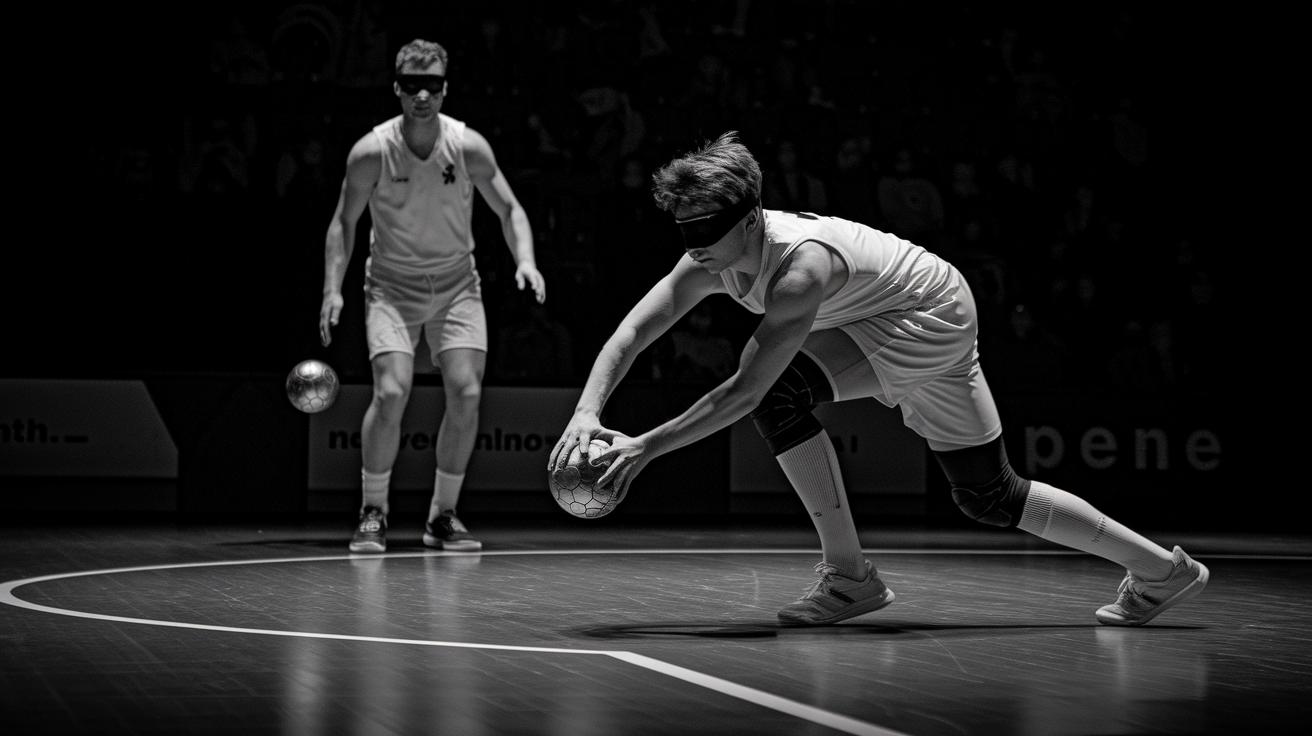
Goalball came to life after World War II to keep veterans in the game. Its design is smart and simple. The ball hides tiny bells that ring with every move, letting players track every pass and shot by sound. Players wear eye masks so everyone plays on equal ground. And the court? It features textured markings that guide you like a friendly hint on where to stand, imagine walking on a floor that nudges you in the right direction.
Beep baseball works in a similar way. Instead of bells, the ball beeps and each base sends out clear audio signals. Picture a player swinging, and that distinct beep tells everyone, "Time to dash to the next base!" It’s like the game is giving you a cheer every time you need to run.
USABA also offers a tabletop game called Showdown. It uses sound cues and tactile boundaries to keep the play exciting. These clever designs in sound and touch don’t just make the sports playable, they make them thrilling contests. Every move turns into a dance of precise actions guided by sound, blending strength and skill in a way that lights up the game.
Blind Sports Track and Field: Adaptations and Event Structures
Imagine the sharp blast of a starting gun mixed with signals you can feel under your feet. USABA has revolutionized track and field for blind athletes by rolling out smart, guide-aided running methods. Coaches stick runners with tethered partners and give clear word cues, helping them conquer 100-meter dashes and relays. Meanwhile, tactile track markings and audio cues for each lane keep every runner on track, literally. This setup is a game-changer for events like the long jump, shot put, and discus throw, where a perfect start and safe landing can spell victory or a missed beat.
At big events like the IBSA World Youth Championships, more than 250 athletes between 12 and 19 from over 20 different countries get a chance to shine. Their competitions are designed not only to follow tight classification rules but also to fire up some real rival energy. Picture a sprinter hearing a perfectly timed call from their guide or a jumper using feel to lock in the best jump-off point. Such adaptations let every athlete push themselves in a fair, heart-pounding arena.
Key adaptations include:
| Adaptation | Description |
|---|---|
| Guide-assisted Running | Runners use tethered partners and clear verbal cues |
| Tactile Track Markings | Guiding runners with lane-specific audio signals |
| Modified Events | Adaptations for 100 m sprints, relays, long jump, shot put, and discus throw |
This fresh take on track and field blends raw strength, sharp skill, and clever adaptive techniques, showing that even with visual hurdles, the competitive spirit can shine brighter than ever.
Blind Sports Aquatics and Cycling: Swimming and Tandem Cycling Modifications

USABA’s swimming programs help athletes feel every move using tappers. Coaches give a gentle tap to signal turns or the finish, much like a teammate giving you a friendly nudge. Imagine a swimmer feeling a soft tap as they near the pool wall, with every cue guiding them smoothly through each stroke.
On the cycling side, athletes team up for tandem cycling. A visually impaired rider is paired with a sighted pilot on a specially modified bike that feels just right. It is a key part of Operation Mission Vision for blind veterans. The bike uses clear audio signals to start and has handlebar tweaks to keep the ride safe. Picture a cyclist feeling the sturdy seat and knowing that every pedal prompt is built with care in mind.
The National Fitness Challenge, backed by 18 agencies, puts a big spotlight on both swimming and cycling. Its programs invite visually impaired students to dive into the pool or get on a tandem bike, making these activities fun and accessible for everyone.
These thoughtful modifications and supportive systems keep athletes safe and boost their confidence. Every lap and every mile becomes a chance to showcase strength, skill, and the heart of competition.
Blind Sports Training and Coaching: Specialized Programs and Methods
For visually impaired athletes, training is all about building strength and boosting confidence at every step. USABA recommends a simple routine, 20 to 30 minutes of aerobic work three or more times a week, plus strength and stretching workouts twice weekly. Picture an athlete gearing up, where every tap and step builds balance and stamina, like success quietly woven into every move.
Then there’s the National Fitness Challenge. Backed by 18 agencies and the WellPoint Foundation, this event hosts regional camps and clinics that sharpen skills and build mentor bonds. Imagine a camp where seasoned coaches share advice using clear sound cues and tactile markers. These drills help athletes feel every move, improving both spatial awareness and mental toughness. Ever felt that spark when a new drill clicks?
Operation Mission Vision is another standout, focusing on supporting blind veterans. Coaches craft training, from judo to triathlon, using sound signals and physical markers to guide each step. They even mix in sports psychology tips to keep the mind as strong as the body. It’s like having a personal guide through each challenge.
- Customized aerobic and strength routines
- Regional mentorship camps that build skill
- Sensory drills with clear audio cues and tactile markers
This mix of targeted workouts, hands-on mentorship, and sensory training shows that with the right guidance, visual challenges become paths to real strength and skill.
Blind Sports Competitions: Major Events and Structure

Step into the arena of blind sports, where different organizations team up to create a vibrant competitive season. Think of it like a well-played game, where each group – IBSA, USABA, and the Paralympic Games – brings its own strategy to the field. They might use varying formats, but together, they create a full playbook loaded with fairness and excitement.
IBSA runs events on a worldwide level with a classification system that keeps competition fair. USABA, on the other hand, focuses on local and national tournaments that help build up homegrown talent. Then there’s the Paralympic Games, uniting blind sports under one set of standard rules that bring multiple sports together for a truly global showdown.
Imagine it as a big game plan: each organization plays its unique part, and together they cover every angle of the sport. They mix international standards with community spirit, guarantee fair play through different checks, and give athletes chances to shine whether on a local field or a global stage.
Key points to note are:
- A blend of global rules and community-driven events.
- Different classification systems working together for fair competition.
- Unique roles in nurturing talent and staging big competitions.
| Organizing Body | Tournament Focus | Key Features |
|---|---|---|
| IBSA | International competitions | Tiered classifications, global standards |
| USABA | Regional and national events | Community tournaments, athlete growth |
| Paralympic Games | Global multi-sport events | Unified rules, standardized classifications |
Blind Sports Resources: Organizations and Community Support
USABA is your all-in-one hub for sports news and events. They bring together parents, teachers, program leaders, coaches, and volunteers to share their skills. Think of it like a local club where everyone plays a part, making adapted sports a real part of everyday life. This easy-to-navigate portal not only keeps you updated on upcoming events, but it also gives you practical tips for launching local clubs for the blind.
The National Fitness Challenge, backed by 18 different agencies, builds a bridge between school sports and local clubs for visually impaired athletes. Picture a gym buzzing with excited students learning new drills from dedicated mentors, each move showing that adapted sports are for everyone. Grassroots groups add fuel to the fire with mentorship programs, volunteer opportunities, and outreach events that showcase innovative sports ideas designed especially for blind athletes.
Local advocacy groups also step up in a big way by pushing policy changes, opening up facilities, and securing equipment subsidies. These efforts make sure that all athletes have the best chance to compete and shine.
- USABA’s site delivers key info and resources.
- Local clubs and grassroots teams bring sports right into the community.
- Outreach programs and advocacy partners drive broader inclusion on the field.
Final Words
in the action, we saw how blind sports create unforgettable moments on every field. The blog broke down everything from ball games that rely on sound cues to racing and aquatic events that use smart modifications. It explained training methods that build confidence and strategies that turn challenges into powerful performances. Every element, from adapted competitions to community support, shows that sports know no limits. The thrill of the game carries a positive vibe that sparks passion and unity among fans and athletes alike.
FAQ
What does blind sports mean and what types of sports are available for blind athletes?
Blind sports refer to adapted athletic programs for individuals with visual impairments. Athletes can participate in team games like goalball, individual events like track and field, swimming, and even cycling, all with specialized rules and equipment.
What is goalball for the blind?
Goalball for the Blind is a team sport created especially for visually impaired players. It uses a ball with bells and tactile court markings so players can track the ball by sound and touch.
What is the International Blind Sports Federation (IBSA) and IBSA sports?
The International Blind Sports Federation governs major competitions for visually impaired athletes. IBSA sports include events like goalball, judo, and athletics at international youth championships.
What sports can blind people do and which ones do not require strong vision?
Blind athletes excel in a range of sports that rely on auditory and tactile cues. Examples include goalball, beep baseball, adapted track events, tandem cycling, and swimming with specialized signals.
What is the role of blind sports in the Olympic arena?
In the Olympic context, blind sports are mainly showcased in the Paralympic Games, where adapted events such as goalball, athletics, and swimming highlight the competitive skills of visually impaired athletes.
What resources exist like a sports for the blind and visually impaired PDF?
Detailed PDFs and guides are available from organizations like USABA and IBSA. These resources provide clear instructions, rules, and safety guidelines to support athletes and coaches in adapted sports.
What is Envision blind Sports?
Envision blind Sports is an initiative that promotes accessible sports programs. It supports development, training, and community inclusion for athletes with visual impairments, ensuring everyone has a chance to compete.