
Ever wonder how ancient battles set the stage for today's combat sports? Back in the days of Greece and Rome, fighters got into gritty street brawls where every punch told a story of raw strength and quick thinking.
These early battles weren't just about survival, they laid the groundwork for the mix of skill, power, and heart we see now. Each move is a nod to those daring contests that turned fighting into an art. Ready to dive in and see how combat sports evolved into the electrifying displays we love today?
combat sports: Dynamic History and Modern Thrills
Combat sports started long ago when Greeks, Romans, and Egyptians put wrestling and boxing to the test of strength. Imagine a rough street game where every move counted, much like a gladiator facing off in a packed arena. It was raw, gritty, and every punch felt like it could decide your fate.
Over time, these fierce contests evolved into organized events with clear rules. Today, combat sports come in three main flavors. First, there are the striking sports. Think of Boxing, where fighters exchange powerful punches, or Muay Thai, known for its explosive kicks and close clinches (that’s when fighters get really close to grapple). Then you’ve got Kickboxing, a mix of punches and kicks, as well as Taekwondo and Karate, which use colored belts to show progress. And don’t forget Savate, where glove colors track a fighter’s journey.
Next, we have grappling sports that focus on holds and submissions. In Judo and Wrestling, athletes nail takedowns and pins. Meanwhile, sports like Brazilian Jiu-Jitsu, Catch Wrestling, Aikido, and Krav Maga use belts or level systems to mark a fighter’s growth as they work on controlling their opponent through smart moves.
And then there’s the ultimate game-changer: MMA. Mixed Martial Arts blends the art of striking with the skill of grappling under one rulebook. In MMA, fighters flip between styles from round to round, keeping each match electrifying. The game is set with fixed rounds and weight classes to keep things fair, pushing athletes to master both offense and defense. It’s like putting together a championship play: start with a strong base, pile on technique and strategy, and finish with that jaw-dropping move that wins the fight.
Historical Evolution of Combat Sports

Combat sports got their start thousands of years ago in places like Greece, Rome, and Egypt. In Greece, pankration mixed raw strength with technique in a no-holds-barred fight. In Rome, gladiators battled in giant arenas, thrilling the voices of cheering fans, while Egyptian wrestling introduced early grappling moves that set the stage for what was to come.
Back then, fights almost had no rules, just high stakes and pure determination. Over time, simple rules, weight classes, and time limits were added to shift the focus from survival to showing off true skill.
Today, these sports take place in safe, regulated rings and cages, with referees watching every move and medical teams ready to jump in. Imagine the raw energy of ancient battles mixed perfectly with today’s tight safety measures, a story of combative passion that keeps evolving.
Comparing Combat Sports Disciplines: Striking, Grappling, and MMA
Combat sports are broken down into two main styles: striking and grappling. Striking fighters throw fast punches and kicks, much like the rapid jabs in boxing that score points with each round. Muay Thai brings explosive kicks into play, and you'll notice traditional armbands or unique shorts acting as milestones of progress. Kickboxing blends classic boxing with martial art moves from Japan and the USA, while Taekwondo and Karate track progress with colored belts. Even Savate uses glove colors to mark advancement.
Grappling sports, on the other hand, focus on grabs, throws, and submissions. Think of Judo and Brazilian Jiu-Jitsu, where a belt tells you just how skilled a fighter is. Wrestling in both freestyle and Greco-Roman forms is different; it uses weight classes and scores based on takedowns, not belts.
MMA takes it all one step further by mixing both styles under one ruleset, letting fighters switch tactics on the fly. Picture a boxer landing a sharp jab that quickly turns into a grappler's clinch, an electrifying blend of techniques that makes every match a thrilling ride.
| Discipline | Category | Origin/Ranking |
|---|---|---|
| Boxing | Striking | No belts; round-based |
| Muay Thai | Striking | Traditional armbands/shorts |
| Kickboxing | Striking | Japan/USA |
| Taekwondo | Striking | Colored belt system |
| Karate | Striking | Colored belt system |
| Judo | Grappling | Belt system |
| Brazilian Jiu-Jitsu | Grappling | Belt system |
| Wrestling | Grappling | No belts; weight classes |
| MMA | Hybrid | Unified ruleset |
Combat Sports Rules and Competitive Structures
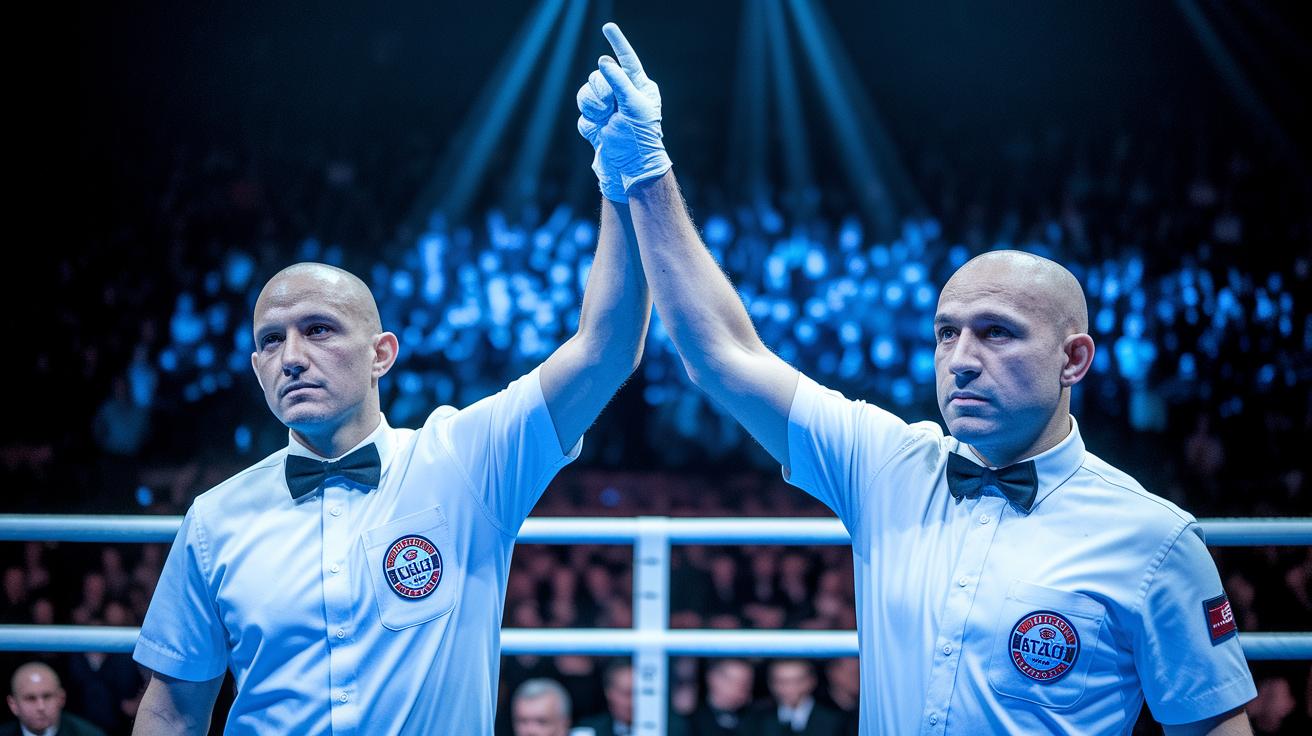
In combat sports, referees do more than just call fouls, they shape the entire flow of the match. In boxing, for example, a referee’s quick decision can bring a bout to a sudden halt if a fighter lands a nasty low blow or commits repeated fouls. They’re there to keep things safe and fair, stepping in at the very first hint of danger.
Over in wrestling, officials have their eyes locked on every tactical move, from explosive takedowns to game-changing pins. They’re quick to wave off illegal holds while the score shifts with every decisive move. Imagine a wrestler racking up points as the referee signals a perfectly timed takedown, cranking up the energy in the arena.
Then there’s MMA, where the action is a wild mix of striking and grappling. Referees juggle both techniques while judges score three intense five-minute rounds using the Unified Rules. One split-second call on a complex maneuver can flip the score in an instant.
Key format differences include:
- Boxing: Referees manage 3 to 12 rounds, each lasting three minutes.
- Wrestling: Officials monitor timed periods with a focus on takedowns and pins.
- MMA: Matches are set for three five-minute rounds that blend striking and grappling.
Essential Gear and Protective Equipment in Combat Sports
Fighters count on their gear to keep them safe and let them move freely, whether they're in the ring or on the mat. The right equipment can really boost performance. For instance, boxing gloves come in weights from 8 to 16 oz. Picking the right weight gives fighters strong punches while keeping their hands protected.
Key equipment includes:
- Boxing gloves and MMA gloves: Boxing gloves (8–16 oz) are used in traditional boxing for both power and safety. Meanwhile, MMA gloves (4–6 oz open-finger) offer more room for grappling and still give a bit of protection.
- Headgear: Amateurs use headgear to lower injury chances, while pros might go without it so they can focus all about their technique.
- Shin guards: In sports like Muay Thai and kickboxing, shin guards protect the shins during those powerful kicks.
- Mouthguards: They are essential to keep teeth safe and lessen jaw injuries.
- Rashguards and gis: For grappling sports, these help manage sweat and prevent skin scrapes.
- Protective cups and groin guards: These protect critical areas during fierce bouts.
Choosing gear that balances protection and freedom helps fighters play their best while following the rules. Good equipment builds a foundation for both safety and an exciting combat sports experience.
Training Regimens and Conditioning Programs for Combat Athletes

Top fighters mix up hard-hitting strength sessions with endurance drills and precise technical moves. Picture this: a coach shouting, "Push through these sprints like you're chasing the final seconds!" It’s a reminder that every moment counts when you’re in the heat of battle.
Drills like striking pad work and grappling maneuvers help sharpen your accuracy and timing. It’s like running a play where every move sets up the next one perfectly. Then, live sparring sessions let you test your skills in real time, where every round is a chance to see how quick your reflexes really are.
Circuit training is a game-changer for building endurance. In these sessions, you’ll dive into different exercises, from explosive push-ups to rapid-fire punching bag combos, with short breaks in between. This mix boosts muscle stamina and keeps your mind sharp, even when fatigue starts to kick in.
Breaking down your moves with video analysis gives you a real edge. Watching your footwork or clinch techniques frame by frame makes it clear where you can level up. Plus, training your mind to handle pressure is just as important as the physical work. By combining all these elements, fighters build strength, refine their techniques, and develop the cool focus needed during intense bouts.
Safety Protocols and Injury Prevention in Combat Sports
Combat athletes push their bodies hard and face risks like head hits, broken bones, and muscle injuries. Ringside medics keep a sharp eye on things, checking fighters before the match to catch any issues and doing post-fight exams to make sure they’re fit to fight again.
A solid warm-up is key. Fighters stretch and do light exercises to wake up their muscles and joints, getting ready for the action. Gear like boxing gloves, headgear, shin guards, and mouthguards are a must, they help cut down the chance of injuries.
During sparring, coaches dial in the intensity. They set the pace and tweak the drills so fighters practice safely while sharpening their skills. Concussion rules guide trainers and refs in spotting early signs of head injury, so proper help is on the way if needed.
If an injury happens, recovery becomes a team effort. Fighters often turn to physical therapy, ice baths, and mobility drills to ease pain and stiffness. These steps help them heal and get back into training safely, keeping them ready for the next tough bout.
Cultural Impact and Modern Trends in Combat Sports

MMA is booming into a multi-billion-dollar arena with big names like UFC, Bellator, and ONE Championship leading the charge. These global events have brought fights into our living rooms and across stadiums everywhere, letting fans feel every punch and kick as if they were ringside.
Women are stepping into the spotlight like never before, injecting fresh talent and creating a wave of new athletes. It’s wild to see how a sport once ruled by men is now celebrating diverse champions who shatter old boundaries and bring new energy both in and out of the ring.
Sponsorship deals and endorsements now play a major role in boosting fighter incomes and brand profiles. Companies are pouring investments into athletes who, in turn, use their growing platforms to connect with fans and build personal brands. This means you'll get behind-the-scenes peeks and even live Q&A sessions where you can feel like part of the team.
Industry trends are all about smart teamwork between athletes, promoters, and media, mixing gripping stories with on-demand viewing. Here's what that looks like:
| Fan Experience | How It Works |
|---|---|
| Interactive content and live chats | Fans join real-time action during matches |
| Social media buzz | Direct campaigns that bring fighters closer to supporters |
All this mixing of sport, culture, and media is pushing combat sports into a fresh, vibrant era full of growth and exciting innovations.
Final Words
In the action, we broke down the essentials of combat sports from their ancient roots to today’s electrifying fights. We covered basics like striking versus grappling, explained competition setups, and highlighted the critical role of safety and proper training. Each segment brought you closer to understanding how these contests are set up and what makes them so thrilling. It's amazing to see how combat sports keep evolving while inspiring athletes everywhere. Keep enjoying the thrill and passion that make every match an unforgettable experience.
FAQ
Combat Sports near me
When searching for combat sports near you, check local gyms, community centers, and event listings that feature boxing, MMA, or martial arts competitions. Local clubs and training studios often host matches and classes.
Combat sports list
The combat sports list includes boxing, Muay Thai, kickboxing, MMA, wrestling, judo, Brazilian jiu-jitsu, and more. Each offers unique techniques in striking, grappling, or a mix of both.
Combat sports olympics
The combat sports Olympics highlight sports like boxing and judo that have long Olympic histories. These events follow strict rules and offer a stage where athletes showcase refined skills under regulated competition.
Combat sports mma
When talking about combat sports MMA, it mixes various martial arts into one sport. Fighters use both striking and grappling techniques under a unified ruleset in intense ring or cage battles.
COMBAT sports baseball
The term COMBAT sports baseball is unusual, as baseball isn’t a combat sport. It might refer to a brand or a mix-up in terminology rather than a recognized fighting discipline.
Combat sports store
A combat sports store carries gear, apparel, and training equipment for boxing, MMA, and martial arts. Fans and fighters can expect to find gloves, headgear, and other accessories for both practice and competition.
Combat Sports brand
A combat sports brand specializes in creating gear and activewear for fighters and enthusiasts. They often support events and athletes by offering high-performance products designed for training and competition.
Combat sports adidas
When referring to combat sports Adidas, it means the sportswear company’s association with combat disciplines. They may offer training apparel, footwear, and accessories designed to meet the needs of fighters and fans alike.
What are examples of combat sports?
The examples of combat sports include boxing, wrestling, judo, Muay Thai, Brazilian jiu-jitsu, and MMA. Each sport stresses unique techniques whether in striking, grappling, or a blend of both styles.
What are the big 4 martial arts?
The big 4 martial arts generally refer to boxing, kickboxing, wrestling, and judo. These disciplines are popular for their clear rules, intense physical demands, and strong cultural roots in combat sports.
What are the 15 martial arts?
The fifteen martial arts cover many styles ranging from striking to grappling. These include traditional practices like karate, taekwondo, judo, Brazilian jiu-jitsu, and other techniques developed around the world.
What are the top 5 best martial arts?
The top 5 best martial arts often include boxing, Muay Thai, wrestling, Brazilian jiu-jitsu, and judo. Fans value these for their balance of skill, physical conditioning, and competitive excitement.
Mixed martial arts
Mixed martial arts combines striking and grappling techniques from various combat styles. Fighters adapt and switch strategies during bouts, making each match unpredictable and exciting for sports enthusiasts.
Muay Thai
Muay Thai is a striking sport from Thailand known for its use of fists, elbows, knees, and shins. It blends traditional techniques with modern training and remains a favorite among fighters and fans.
Brazilian jiu-jitsu
Brazilian jiu-jitsu focuses on ground fighting and submission techniques. Athletes learn leverage-based strategies, which allow smaller fighters to overcome larger opponents in a dynamic competitive setting.
Boxing
Boxing is a classic striking sport where fighters use punches in timed rounds. It captivates audiences with fast-paced matches, tactical maneuvering, and a rich history that has shaped modern combat competitions.
Soccer
Soccer is a team sport centered on kicking a ball into a goal. It emphasizes coordination, strategy, and endurance rather than the one-on-one physical combat seen in fighting sports.
Tennis
Tennis is a racket sport that highlights agility, precision, and endurance. Unlike combat sports, tennis focuses on individual skill and dynamic movement on a court rather than direct physical confrontation.