
Ever notice how most game recaps only list scores and forget the sweat behind every dunk and touchdown?
We see so many summaries that overlook the crunch moments, the roaring crowd, the gritty grind, that make sports so thrilling. Picture it like building a puzzle: every piece reveals an athlete’s heart, determination, and raw energy.
In this post, we break down how to turn ordinary recaps into feature stories that burst with life. You’ll pick up simple tips to capture not just the stats, but the struggle, passion, and triumph woven into every play.
Crafting the Core Elements of a Sports Feature Story

A sports feature is like a mini story that leans on real facts instead of just cold numbers. It zooms in on the journey, showing off athletes' drive, personal struggles, and the bigger picture behind every play. Imagine kicking off your story with a twist, like saying, "Before he became a hometown hero, he spent many late evenings honing his skills in a shadowy gym, fueled by pure passion for the game." This style keeps things real while drawing you in far beyond the final score.
Sports features break away from plain game reports that simply list scores and plays. A quick recap might tell you what happened during the match, but a feature digs into the heart of the moment, uncovering the hard work, setbacks, and victories that push an athlete forward. It turns a basic game summary into a vibrant story that shows off not just the skill, but the human spirit behind every play.
Starting strong is crucial. A killer first sentence grabs you with engaging athlete profiles and clever storytelling, paving the way to dive deeper into personal battles and sheer determination. When reporters nail that opening hook, fans get swept into a world where every moment on the field is more than just a play or a score, it’s a story that makes you cheer every step of the way.
Structuring Your Sports Feature for Maximum Reader Engagement

When you're setting up a sports feature, the first play is choosing how to tell the story. You could line up events in the order they happened – think of that last-second touchdown or a dramatic dunk that gets everyone buzzing. Or you can take a different route by weaving in themes that dig deep into the players' emotions, revealing tales of character, sacrifice, and grit. Both plays have their own magic and can turn basic game details into a story that truly pulls you in.
Mapping the Sports Feature Structure
Using a timeline lets you show the game as it unfolded, giving fans a clear, step-by-step look at all the action. Sometimes, throwing in a flashback here and there can highlight those key moments that give the game its flavor. But if you’re more into a theme-focused approach, you get to spotlight those personal battles and triumphant underdog moments that define a game’s spirit. Pick the style that best fits the heart of your story.
Mixing vivid game moments with inspiring personal journeys takes your feature to another level. Picture it: the crisp whistle of the referee, the roar of the crowd, and the raw determination of players stepping up against the odds. This blend doesn't just inform you about a match – it pulls you right into the excitement of the game, making every word resonate like a winning play.
Crafting Compelling Leads in Sports Feature Stories

A great lead is like the opening whistle at a game, it kicks things off and grabs your attention right away. It pulls you into the action by painting a vivid picture or sharing a quick, exciting anecdote. This isn’t just about numbers; it’s about setting a stage that feels as thrilling as a last-minute goal.
Try starting with a vivid scene, tossing in a surprising stat, or even dropping a punchy quote. You might ask a deep question or highlight that underdog moment that changes everything.
When you share your lead with friends or fellow fans, their reactions help you see what really works. Their feedback fine-tunes your approach so it matches the heart-pounding energy of live sports. Isn’t it amazing how a solid opening can make you feel like you're right there in the stadium?
Integrating In-Depth Interviews into Sports Feature Stories

Before sitting down with an athlete, get in the zone with solid research. Dig into their backstory and recent plays so you can ask questions that hit home, whether it’s battling through injuries or overcoming personal hurdles. This groundwork is like studying game footage, it sets you up to capture every real detail.
Next up, plan your questions like a coach maps out a winning strategy. A well-phrased question can spark that breakthrough moment when an athlete bares their soul with a story of grit and triumph. Make your questions feel personal and tailor them to each player’s unique journey. Ever felt that rush when someone really opens up?
| Tip | How It Works |
|---|---|
| Open-ended framing | Ask questions that invite long, detailed stories. |
| Active listening | Stay engaged so the conversation naturally grows deeper. |
| Contextual prompts | Use what you know about their background to draw out richer details. |
| Emotional follow-ups | Dive into personal challenges and triumphs to capture raw emotion. |
| Reframing for depth | Restate or tweak your questions to make sure nothing important gets missed. |
After the talk, treat the transcription like replaying the best moments of a game. Make sure every word is accurate, it shows respect for the athlete’s voice and boosts the credibility of your feature story.
Building Narrative Arcs in Sports Feature Storytelling
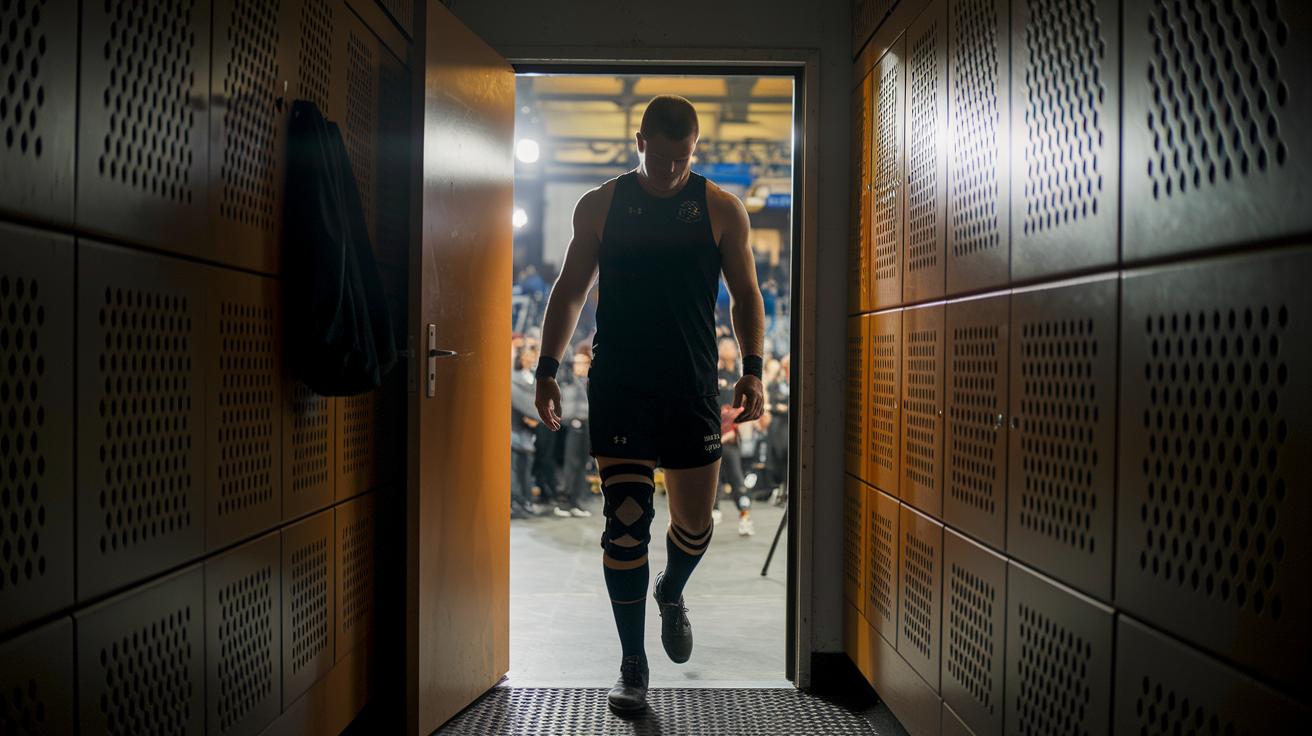
Turning a simple game recap into a story with heart is all about building a narrative arc. It starts with introducing an everyday hero who stands out, then comes a period of tough challenges that shake things up. As the story unfolds, you reach those nail-biting moments when everything changes in an instant. Finally, the conclusion brings it all together, leaving you with a sense of victory or a moment to pause and reflect. It’s a playbook that mirrors the ups and downs of any great game.
Imagine a player making a comeback from a serious injury or personal setback. Their journey is filled with early struggles that show just how human they are. Then, a turning point, maybe a critical game or a breakthrough in practice, ignites a surge of determination and skill. These comeback stories go beyond the scoreboard; they celebrate fighting back when the odds are against you.
And it isn’t just about one star player. Think of a hometown team that bands together when the going gets tough, or a group of underdogs finding their groove on the field. Every step of their journey highlights a shared spirit and common challenges, making these stories hit home on both a personal and community level.
Using Vivid Imagery and Scene Development in Sports Features
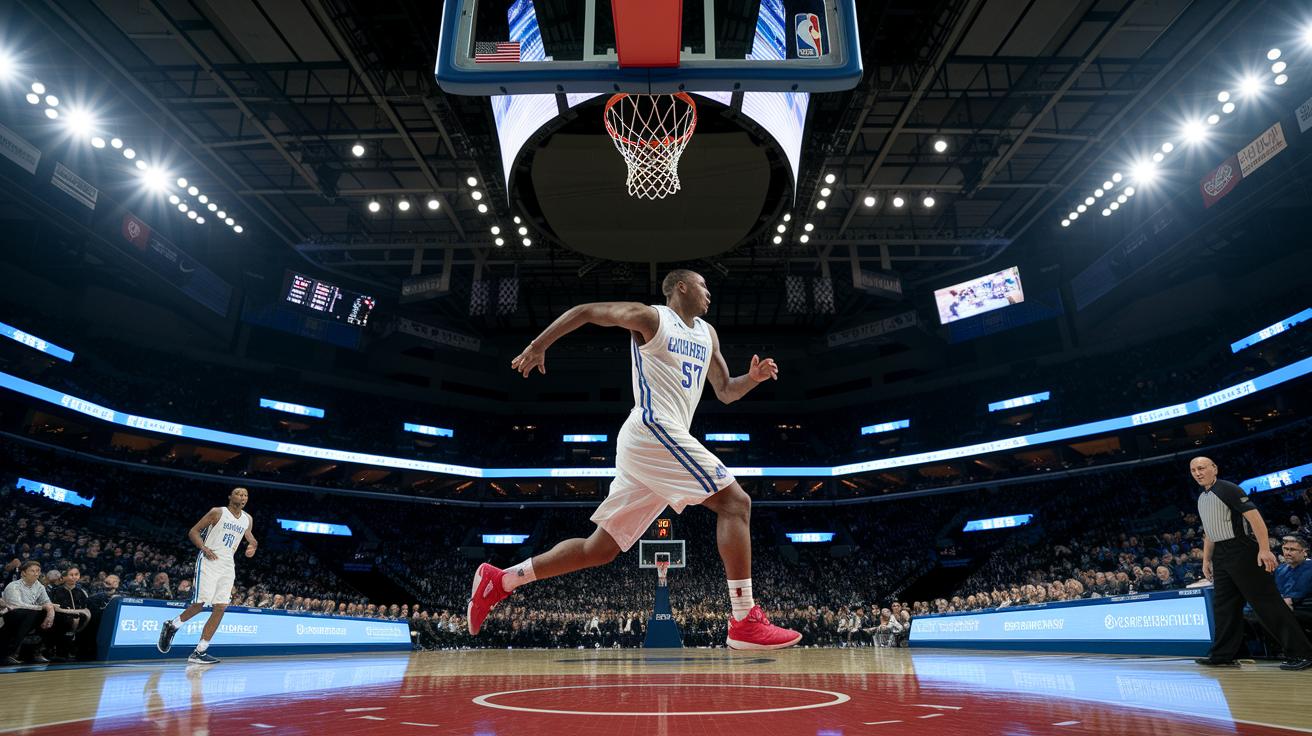
When you pack a sports story with sensory details, it becomes an all-out experience. Imagine players with sweat shining under the bright stadium lights, while the crowd's roar fills every corner of the arena. The right words bring you right into the action, making you feel the nail-biting tension of a last-second shot or the rush before a game-changing dunk. It’s like watching the game live, where every glance, every heartbeat, and every surge of energy is right there with you.
Start with a vivid detail, say, "The sharp tang of adrenaline mixed with the musty smell of the gym grabs you from the very first moment." That little slice of the scene plants you right in the heart of the action.
Timing is everything too. Mixing bursts of rapid play with well-placed pauses lets you soak in every dramatic twist. Picture a critical free throw or a tense timeout where you can almost hear the crowd's anxious whispers. That rhythm amps up the suspense, much like a last-second play that electrifies the whole arena. In truth, keeping that rapid pace balanced with reflective moments not only paints a crystal-clear picture but also keeps fans on the edge of their seats, eager for the next big move.
Editing and Fact-Checking Your Compelling Sports Feature Narrative

Revision is a must when putting together a sports feature. It clears up the message, amps up the emotion, and makes sure every fact and quote hits the mark. Every stat, timeline, and detail gets double-checked so the story stays exciting without feeling overloaded.
| Editing Focus | Key Questions |
|---|---|
| Factual Accuracy | Did you double-check all stats, dates, and outcomes? |
| Quote Verification | Have you confirmed every quote with reliable sources? |
| Pacing | Does the story build excitement smoothly without speeding through the details? |
| Language Clarity | Is the wording simple, direct, and engaging for every fan? |
Getting a second look from trusted colleagues is a total game changer. Sharing your draft can reveal hidden errors and spark ideas to tighten up your narrative. This step not only builds trust in your facts but also delivers a clear, fact-based story that truly connects with sports fans.
Final Words
In the action, we explored the art of crafting compelling sports feature stories, from outlining vivid narratives to building athlete profiles and weaving personal interviews into captivating arcs. Each section broke down techniques to transform game data into storytelling magic. The guide emphasized writing leads, using dynamic structures, and smoothing out details with meticulous editing. The buzz of a live game helped us see how every element adds up to create exciting, memorable features. Keep that energy high and let your stories truly shine!
FAQ
Q: How do I craft compelling sports feature stories?
A: The process of crafting compelling sports feature stories involves blending factual details with human drama, engaging readers right away with a strong lead and narrative hook that captures the essence of the game.
Q: What are sports feature writing examples and how do they help?
A: Sports feature writing examples demonstrate how to mix on-field action with personal stories, showing techniques that turn game highlights into rich narratives that resonate with sports fans beyond mere score updates.
Q: What are the types of sports features available?
A: The types of sports features include athlete profiles, behind-the-scenes accounts, comeback stories, and thematic pieces, offering diverse angles that cater to various interests while keeping fans informed and entertained.
Q: What are the 5 P’s of sports?
A: The 5 P’s of sports often refer to Preparation, Performance, Passion, Persistence, and Presentation, encapsulating key aspects that drive athletes to succeed and capture the spirit of competitive sports.
Q: What are the 5 W’s in sports writing?
A: The 5 W’s in sports writing are Who, What, When, Where, and Why, providing the fundamental details that help reporters build a complete and engaging story about any sporting event.
Q: What are the essential elements of a sports story?
A: The essential elements of a sports story include a captivating lead, well-defined characters, vivid settings, clear conflict, and a meaningful resolution, all of which work together to draw readers into the game’s heart.