
Ever thought your living room could feel like a packed stadium? Digital sports broadcasting is shaking up the way we watch our favorite games. Picture hearing every cheer so real, you swear you’re on the field yourself. New streaming tech even lets you switch views like flipping channels at halftime, putting you in control of all the action. In this post, we dive into these awesome tech advances that make sports more immersive and connect fans like never before.
Major Drivers Shaping Digital Sports Broadcasting Trends
Digital sports broadcasting is moving at a wild pace. Cool tech breakthroughs and a drive to make the fan experience unforgettable are shaking things up. Think about Dolby-powered spatial audio and surround sound, they make you feel like you’re right in the middle of the roaring stadium. Ever catch that surge of excitement as every cheer seems to hit you straight in your living room?
Then there’s the fresh streaming tech that lets you pick different views on the fly. Whether you're switching between views of a golf tournament or catching every twist and turn in a high-speed motor race, you get to control what you see. And with neat features like QR code ads that let you order merchandise during the game, shopping and sports blend in real time.
Plus, tech improvements are slashing those annoying delays. Signal lags are dropping from nearly 10 seconds down to under 5, so you’re always in sync with the action and your friends online. It’s a game changer that brings fans closer to every electrifying moment on the field.
Innovative Streaming Technologies in Digital Sports Broadcasting
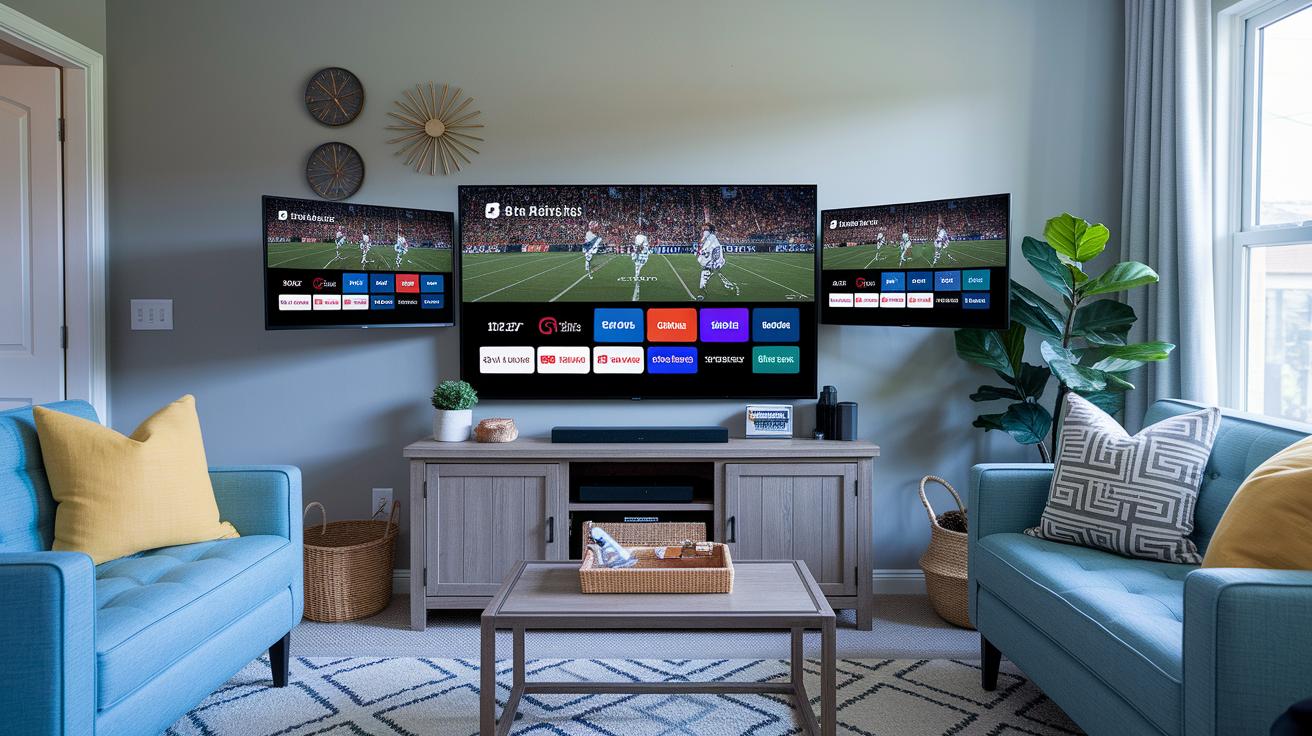
Streaming tech is leveling up like never before, and fans are totally into it. Platforms like Tubi are mixing things up by giving us free, ad-supported Super Bowl LIX streams along with classic cable channels from Fox. And hey, subscription services such as DirecTV, Sling TV, and Fubo TV are still in the game, offering plenty of options for every viewer. Fun fact: before digital streaming took off, fans had to sit through long commercial breaks on cable TV, now you catch every play with barely any interruptions. Mobile live streaming faces some hurdles too, with just 46% of users opting for smartphones; this pushes broadcasters to perfect mobile-first plans that deliver a smooth, compact-screen experience.
Behind the scenes, cloud media orchestration and adaptive bitrate tricks are the real MVPs. Cloud-based signal routing keeps the stream solid even during peak moments, and switching from TV to tablet or laptop is seamless. With smart streaming tweaks that use real-time feedback, broadcasters balance quality with speed so every angle of the game comes through crisp and clear. It’s almost like scoring a front-row seat wherever you are.
Immersive Viewing Experiences in Digital Sports Broadcasting
Tech breakthroughs are giving the home fan experience a fresh, exciting twist. With Dolby spatial audio, you hear every cheer and chant as if you're right there in the stands. AR overlays add live graphics directly onto your screen, so when you see a breakaway play, you instantly get key stats and player movements.
Virtual reality makes it feel like you're courtside or even on the field. And with multi-angle production systems, you can jump between different views during a golf swing or a motor racing sprint, ensuring you never miss a heart-stopping moment.
Next, brilliant visual graphics and giant LED displays transform your living room into a mini stadium. Picture this: a player scores, and digital overlays light up the screen while the roar of the crowd seems almost real. It is an experience that goes well beyond regular TV, blending powerful visuals with smart tech to bring every sports fan an interactive, true-to-life broadcast.
Interactive Features and Fan Engagement in Digital Sports Broadcasting
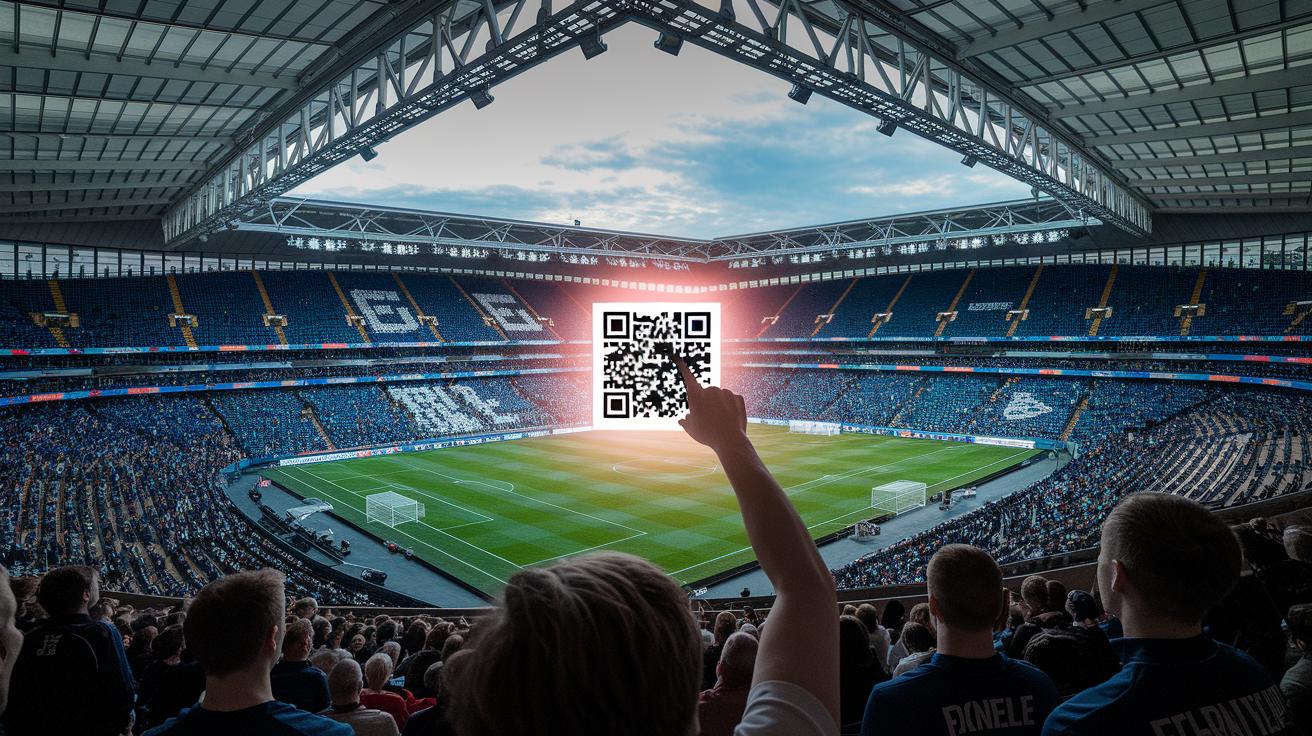
Fans today aren’t just sitting back; they’re right in the thick of the action. With ads that use QR codes, you can grab your team’s gear while the game is on. Imagine seeing that incredible play and then quickly scanning a QR code that shouts, "Get the jersey that made this moment!" Suddenly, you go from being a bystander to an active part of the game.
Live stats overlays bring the moment right to you, serving up scores, player numbers, and game-changing numbers as they happen. Think about a key play lit up with bright numbers and handy tips that make every pass and shot feel even more exciting. It’s like having a mini game guide right on your screen.
Another cool trick is dual-screen interactivity. The main game feed pairs up with a social stream so you can catch the game and see what other fans are saying all at once. One moment, you’re watching your favorite team break down a play; the next, you’re reading quick comments or fun reactions from fellow fans. It’s the best of both worlds, creating a tight-knit, interactive community every time you tune in.
Social features keep the buzz going off the field too. Short highlight clips and behind-the-scenes peeks pop up on social media, inviting everyone to join a year-round digital fest. Plus, team webinars and live Q&A sessions keep the energy high long after the final whistle. This mix of live action and real-time fan chat turns every match into an electrifying community experience.
Operational Innovations: Cloud, REMI, and Automation in Digital Sports Broadcasting
Remote production workflows are changing the game in live sports broadcasts. REMI workflows let crews work over IP networks, which means there’s less need for on-site staff and smoother, faster production. Imagine top-quality feeds being managed from afar, making everything quicker and more efficient.
Cloud broadcast solutions are now in the spotlight. They handle signal routing and other tasks seamlessly, so production teams can control live feeds from far-off hubs just as easily as if they were right there. For instance, a cloud system can switch a live feed from the main camera to another angle in real time, ensuring every exciting moment is caught perfectly.
Automated camera operations are upping their game as well. With AI tools on the job, cameras change angles automatically during key plays. This helps create instant highlight reels so fans can relive those jaw-dropping moments in no time. And with broadcast data insights coming in real time, the crew gets the info they need to make smart decisions behind the scenes.
Enterprise asset management software also plays a big role. It tracks expensive gear like cameras, lenses, and kits, keeping everything organized and reducing downtime.
| Innovation | Benefit |
|---|---|
| REMI Workflows | Fewer on-site crews needed |
| AI Tools | Faster camera switching |
| Cloud Solutions | Real-time live feed control |
Market Shifts and Case Studies in Digital Sports Broadcasting Trends

The world of digital sports broadcasting is booming, reaching fans across continents like never before. Recent match-ups in London, Germany, Mexico, and Japan show broadcasters mixing tradition with fresh, global tactics. U.S. sports are chasing a worldwide audience by teaming up with streaming giants in China and Europe. It’s like watching your team break down every wall between fans.
Women’s sports viewership is on record, shaking what we thought we knew about the game. WNBA averages of 1.2 million viewers per game tell a story of passion and progress. And with new leagues popping up – like the Women’s Elite Rugby League and Women’s Professional Baseball – it's clear women’s sports are not just a side event; they're the future of digital play.
Meanwhile, esports streaming is making its mark. With 133 U.S.-based sports streaming channels already on the scene, dedicated platforms are giving fans an interactive, community feel that traditional broadcasts just can’t match. Esports events pack in huge crowds who love every second of that live energy. It’s a reminder that sometimes niche digital spaces can shine right alongside the big leagues.
In the end, digital trends are remixing the playbook for sports broadcasting. International leagues, record-breaking women’s sports, and booming esports are all proof that technology is connecting us like never before. One fan summed it up perfectly: "I can watch a match from any country and feel like I’m at the stadium, no matter where I am." It’s this blend of real-world case studies and innovative strategies that keeps the future of sports broadcasting exciting, dynamic, and closer to us all.
Future Outlook for Digital Sports Broadcasting Trends
By 2025, streaming platforms will be in a fierce fight over the rights to big-name sports events. This kind of battle is not just about who wins on the screen, it’s changing the whole business of sports broadcasting. Services are hustling to grab exclusive deals and team up with fresh partners, all to make sure their live events really pop for viewers.
Instead of repeating old trends like ultra-HD visuals or dual-screen formats, the game now is about locking in smart content deals that truly keep fans coming back. Imagine it like this: one major rights agreement could totally transform how you experience your favorite live moments, making every game feel unique.
| Key Focus | Innovation Highlight |
|---|---|
| Marquee Event Rights | Fierce competition that reshapes live sports deals |
| Strategic Partnerships | Creative agreements that bring a one-of-a-kind live experience |
Final Words
in the action, the blog showed us how digital sports broadcasting trends are reshaping game-day experiences. We explored innovative streaming tech, immersive visuals, and interactive tools that bring fans closer to the game.
The behind-the-scenes advances, from cloud setups to AI camera work, promise smoother, faster broadcasts. Real-world case studies highlight a growing global reach and a bright path ahead for sports media. The future is exciting, and the game is just getting started.
FAQ
Q: What are the digital sports broadcasting trends in 2021?
A: The digital sports broadcasting trends in 2021 show a shift toward interactive and immersive experiences. Innovations like Dolby-powered audio, multi-feed toggling, and improved low-latency signals drive better real-time fan engagement.
Q: What does the future of sports media look like?
A: The future of sports media blends innovative streaming technology with interactive, personalized experiences. Expect cloud-based workflows, AR/VR enhancements, and real-time stats overlays that bring fans closer to the live action.
Q: What current trends are driving the sports media industry?
A: The sports media industry is evolving with trends like interactive content, multi-angle views, and mobile streaming enhancements. These developments create engaging live broadcasts and boost fan interaction during events.
Q: How are fans consuming sports media today?
A: Fans today consume sports media through OTT platforms and mobile streaming, seeking high-quality, interactive content. Even with lower smartphone streaming percentages, viewers demand experiences that feel as vivid as live games.
Q: What do sports streaming statistics show?
A: Sports streaming statistics highlight a growing digital audience. Rising free and subscription models reflect increased demand for low-latency and immersive viewing options that keep fans engaged throughout each game.
Q: How is the sports media industry evolving with digital platforms?
A: Digital platforms are transforming the sports media industry with immersive visuals, interactive overlays, and cloud-based production. These advancements offer fans fresh ways to experience live events and enjoy higher-quality broadcasts.
Q: What sports media platforms are prominent today?
A: Prominent platforms include OTT services like Tubi, DirecTV, Sling TV, and Fubo TV. They use innovative streaming and mobile strategies to deliver live, interactive sports content that keeps fans coming back.
Q: How are TV viewership statistics impacting digital sports broadcasting?
A: TV viewership statistics reveal a growing shift to digital streaming. Fans prefer interactive, personalized content over traditional broadcasts, prompting digital broadcasters to adopt advanced technologies that enhance the viewing experience.