
Ever noticed how some players seem to win every match while others just can’t catch a break? This guide is like your own playbook, filled with quick, game-ready tips to step up your esports skills.
Imagine fine-tuning everything from your gear to your warm-up routines, and even perfecting your team callouts to secure more dependable wins. We break it down simply so you can boost your in-game chatter and optimize your setup for standout performances.
Ready to turn every match into a win you’ll remember? Let’s get into it!
Quick Tactical Guidelines for Competitive Esports
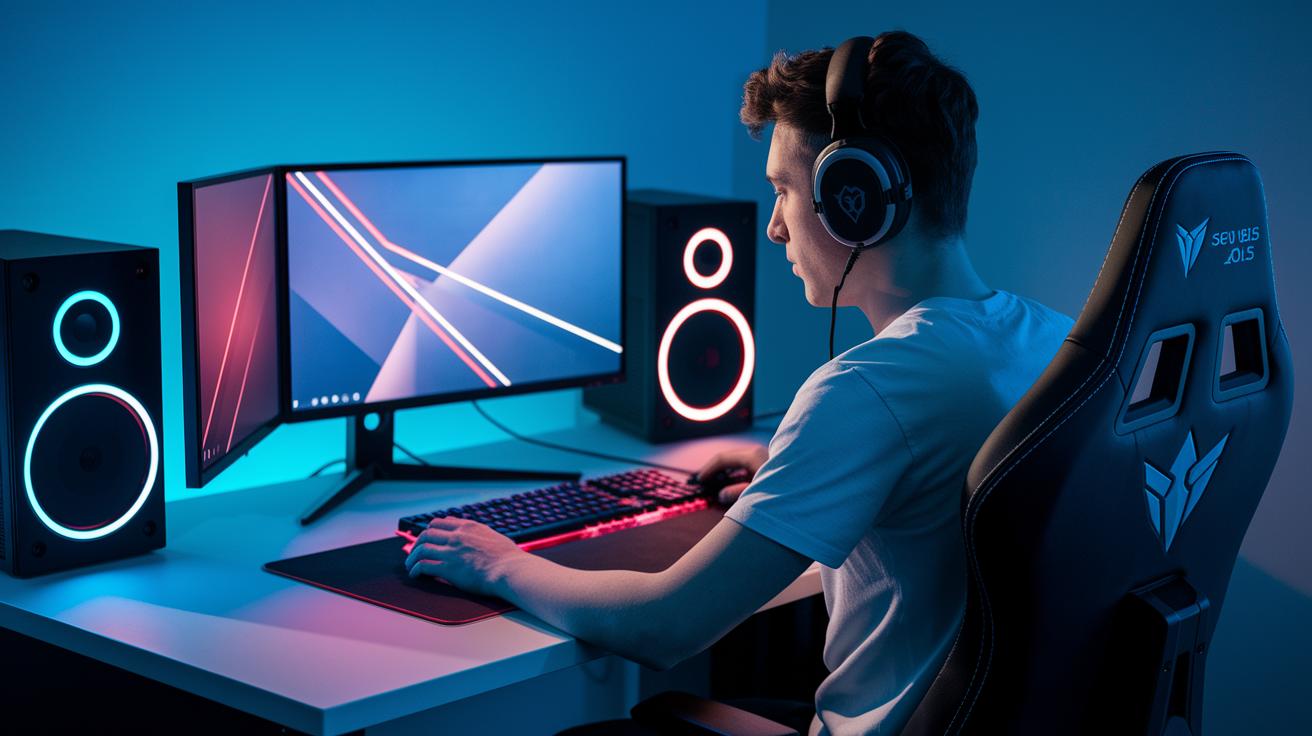
Ready to level up your game? Here’s a playbook packed with five simple steps that can give you an edge right away. Think of it as your game-day routine to get you in the zone and firing on all cylinders.
-
Optimize hardware and settings
Upgrade your gear by switching to a high-refresh monitor and trusty gaming equipment. Take it from me, a jump to a mechanical keyboard made every shot feel crisper, snapping each click into a winning move. -
Establish role-specific warm-up routines
Warm up like you're about to headline a show. Run drills that match your in-game role, just like rehearsing your lines before the big performance. I usually go through a quick aim and movement routine to boost my confidence before diving in. -
Implement concise communication protocols
Keep your team in the loop with clear and quick callouts. A fast, simple message can spot an enemy instantly and shift the game’s momentum in your favor. -
Track patch notes for meta insights
Stay ahead by keeping an eye on game updates. Review patch notes like they’re a sneak peek at tomorrow’s playbook, you’ll always be ready for new twists and turns. -
Apply mental resilience exercises
Don’t forget to train your mind along with your skills. Short breaks and a few deep breaths can reset your focus during long sessions. A simple five-minute pause might just be the push you need for that epic comeback.
If you’re looking for more detailed tactics, try digging into a structured game analysis framework. These easy-to-follow tips lay out a clear path to steady improvement in competitive esports play.
Game Meta Analysis and Map Control Strategies
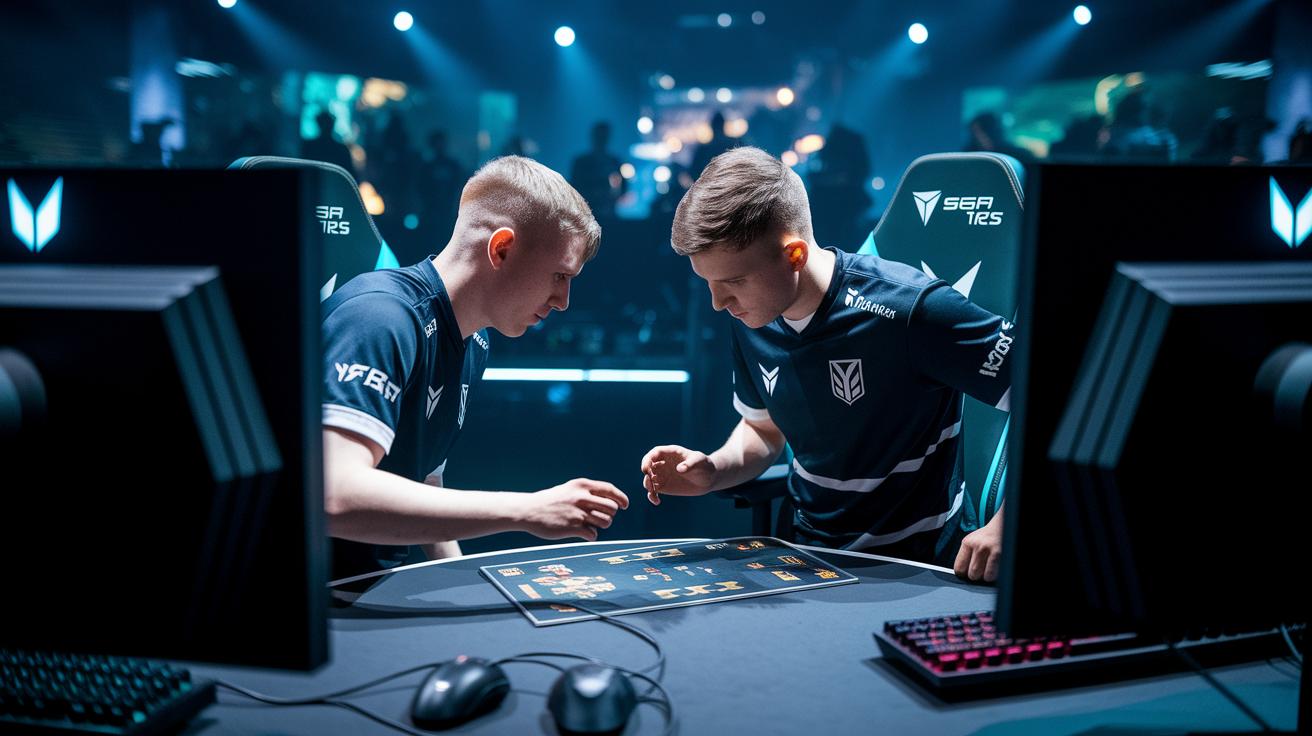
Keep your eyes peeled on every patch note update because even a tiny tweak can flip the game. When a character gets a boost, it might shake up the usual roles, forcing teams to switch things up like a secret playbook dropped mid-match.
Dig into how different roles mix and match. Check out the best role setups to know when to rotate your top players and grab that map control. Ever notice how a smart switch can change an intense match in a heartbeat?
Think about map control like a chess game. You need to guess where the opponents are headed and be right there to block their moves. It sounds simple but the right positioning can really set the pace of the game.
Also, don’t forget about those economic moves. When you manage your team’s resources well and keep up with meta trends, you’re set up to rule the mid-game and lock down key spots. Knowing when to splash cash on top gear or hold back for that big round can be game-changing.
Timing is everything. Whether you’re defusing a bomb or capturing an objective, make sure your moves match the current meta. Use smart rotations and calculated risks to keep your edge sharp.
| Meta Element | Strategy Approach |
|---|---|
| Patch Update | Review patch notes to adapt quickly |
| Role Composition | Analyze best role setups after changes |
| Map Control | Enforce rotations and strategic positioning |
| Economy Management | Align resource use with meta demands |
| Objective Prioritization | Time objectives based on strategic shifts |
Stay flexible and let every meta shift be your chance to tweak your strategy and dominate the game.
Team Synergy Development and Communication Optimization in Competitive Play Strategy
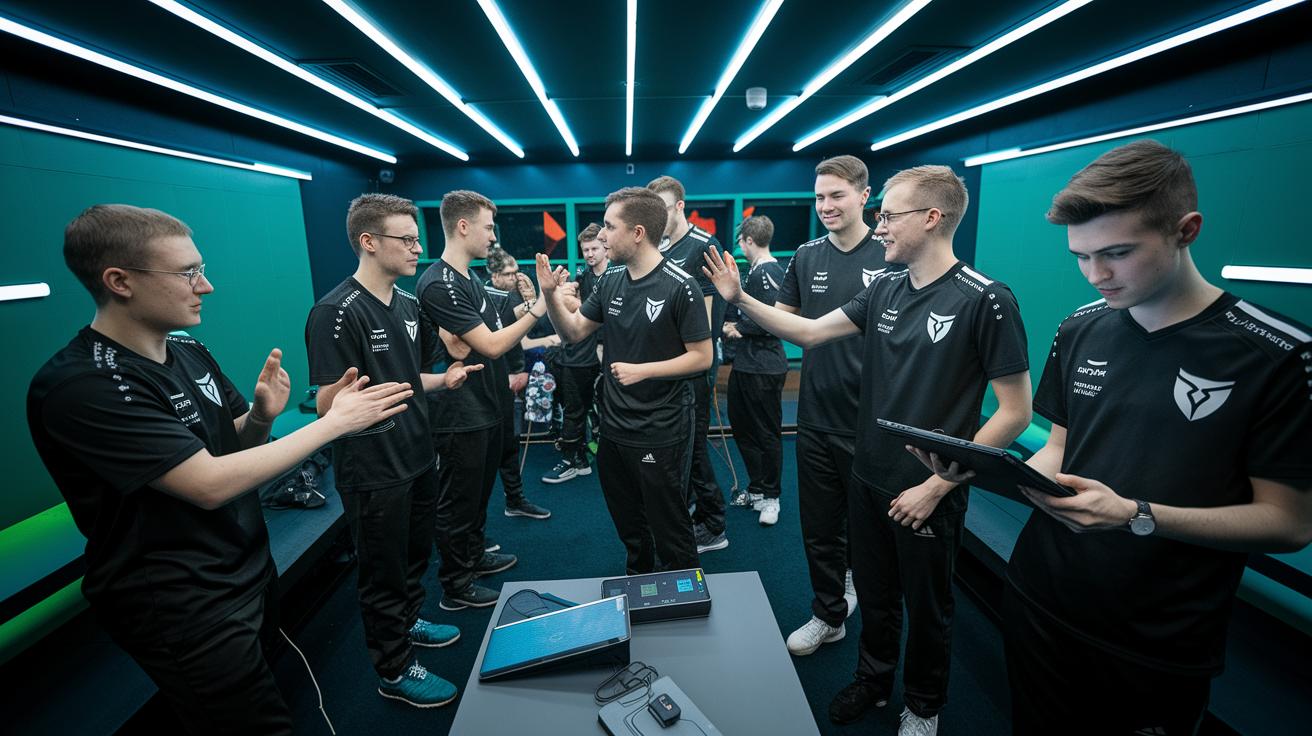
When your team clicks on game day, it’s like watching a finely tuned engine in action. Training together builds trust and makes sure everyone knows their role. Try drills that mix up roles, nail down basic map control, and perfect timing on important plays. Ever thought of doing role-specific drills where every player practices their part at the same time, just like running plays to keep it all smooth?
Synergy Drills and Role Coordination
Make time for fun, structured drills that sharpen your team’s focus. One cool drill is the rotation simulation, where players swap roles to cover any weak spots, kind of like rehearsing a dance routine to keep control on the map. Another drill involves practicing objective timing that mirrors real-game moments, keeping everyone on their toes. After each session, chat about what worked and what needs a little tweak. You can even throw in some AI-driven tips to help refine callouts and timing during those high-pressure plays.
Communication Cue Guidelines
Quick, clear communication can make all the difference. Keep your callouts simple so that every teammate instantly understands the situation. Come up with a list of short signals for common moments, like a quick alert for an enemy sighting or a red flag when you need to reposition fast. Stick to a protocol where every voice chat is on point. For instance, saying "Enemy at mid" or "Rotate now" keeps things clear. Regular drills that mimic hectic in-game moments help your team get comfortable, making sure that every message comes through loud and clear when it counts.
Mechanics Mastery Program and Reaction Time Drills for Competitive Play Strategy

Targeted practice boosts your precision, quick reactions, and overall map sense. Start with aim trainers and simulation drills that can improve your shot accuracy by nearly one-fifth. Imagine working on flick shots with moving targets, each hit builds muscle memory and sharp reflexes.
These micro-management drills help you react fast to sudden changes in the game. Try short, timed routines that feel like high-pressure moments. One simple method is a loop: aim, shoot, reset, and repeat until it feels natural. That burst of energy when you nail three shots in a row really shows how constant practice pays off.
Don’t forget to take quick breaks between sessions. Just a five-minute pause can clear your head and prevent burnout. Even during intense drills, a short break helps your mind catch up with your body, ensuring every move counts.
Mix in simulation drills that mimic real match conditions. The blend of controlled routines with unexpected elements gets you ready for the intensity of a real game. Work on rapid decision-making: change targets on the fly and adjust your positioning quickly. Over time, you'll notice faster reflexes and smarter in-game moves.
Try a drill that has you moving, aiming, and shooting in a steady cycle. Each round builds your speed and sharpens your skills. This routine is the backbone of a high-level performance, turning every practiced move into a real advantage on the battlefield.
In-Game Decision Analysis and Objective Control Schemes for Competitive Play Strategy
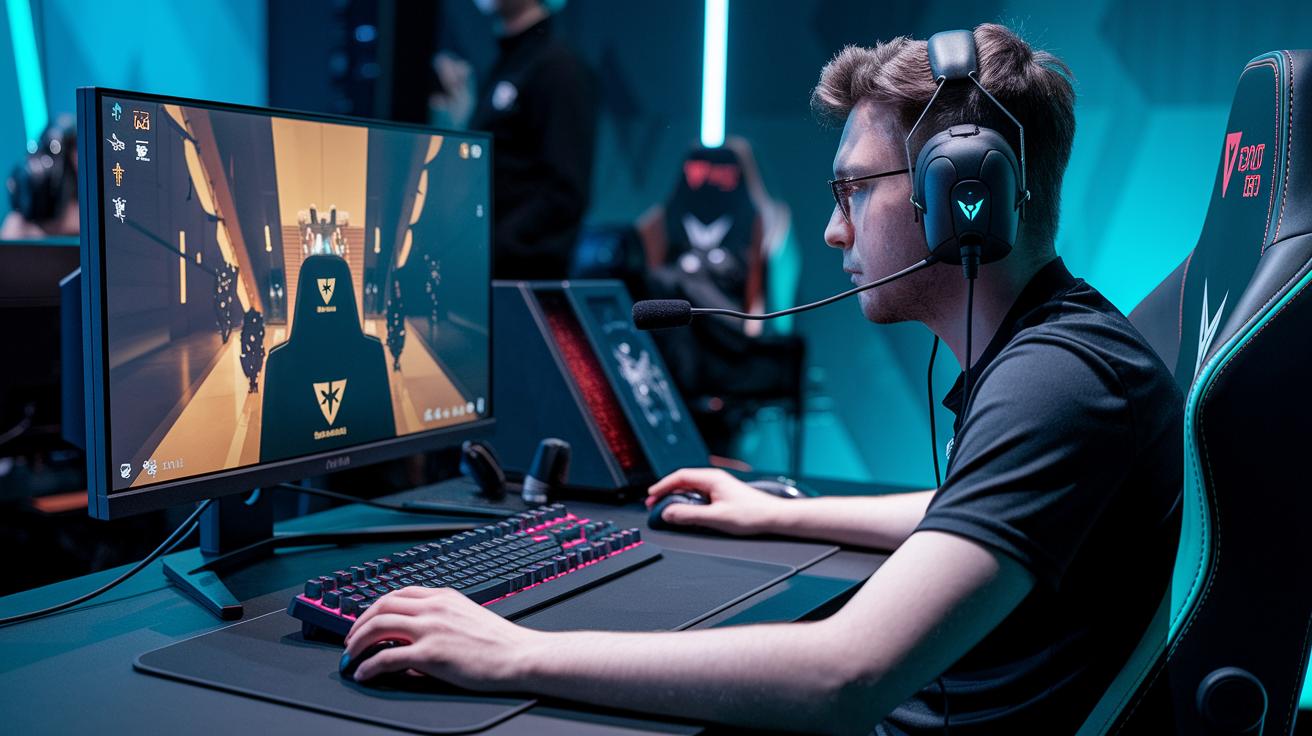
Breaking the game into bite-sized pieces can really boost your in-game decision-making. When you review your plays, you see exactly where things went awry during those high-pressure moments. Like after a nail-biting play, rewatching the action helps you spot the misstep that let the other team take over. This habit not only shows you what to fix but also builds your overall game plan.
When you're mapping out your moves, focus on key spots like bomb sites or capture points by weighing the risks against the payoffs. Think of each key point like a crucial checkpoint in a race. You lock it down and then use it as a springboard for your next move. Start by figuring out which target to hit first, then adjust as the match heats up. This approach helps you manage both split-second decisions and the big, strategic plays needed to own the map.
Top teams mix quick, precise moves with a broader game plan to stay ahead. While those snap decisions are perfect for clearing rooms or making lightning-fast plays, your overall strategy ties everything together. It's like building a puzzle where every small move adds up to a winning picture.
Good objective control comes down to clear communication and sharp execution. Talk with teammates, share any changes in the enemy's tactics, and be ready to pivot when a key point is at risk. Keep an eye on the enemy’s positions and your team’s status, and adjust your plan on the fly. In those heated moments, this smart planning can be the difference between barely making it and clinching a win.
Tournament Preparation Methods and Match Checklist Planning for Competitive Play Strategy

Before each match, get yourself locked in with some solid pre-game drills. Start off by warming up with aim drills that boost your reflexes, think of it as sharpening your focus on a moving target on a virtual field. It’s like preparing for that big game-winning shot. You can also picture your best plays in your head, easing any pre-game jitters. And don’t forget those quick deep breaths or a short mindfulness break to clear your mind. A little scouting on your rival’s past moves can also give you a heads-up on their strategy. Add in some light stretching or a quick jog to keep your body primed, and you're all set.
After the match, take time to review what went down. Watch the replay to spot moments where a small tweak could have made a huge difference. Jot down your thoughts on what worked and what didn’t on a handy checklist. Chat with your team about key plays, both the wins and the mistakes, to learn for next time. Every review session is a chance to build a game plan for future success. These debriefs help you learn from every moment on the field, turning any setback into fuel for your next big win.
Adaptive Strategies and Counter-Offensive Review for Competitive Play Strategy
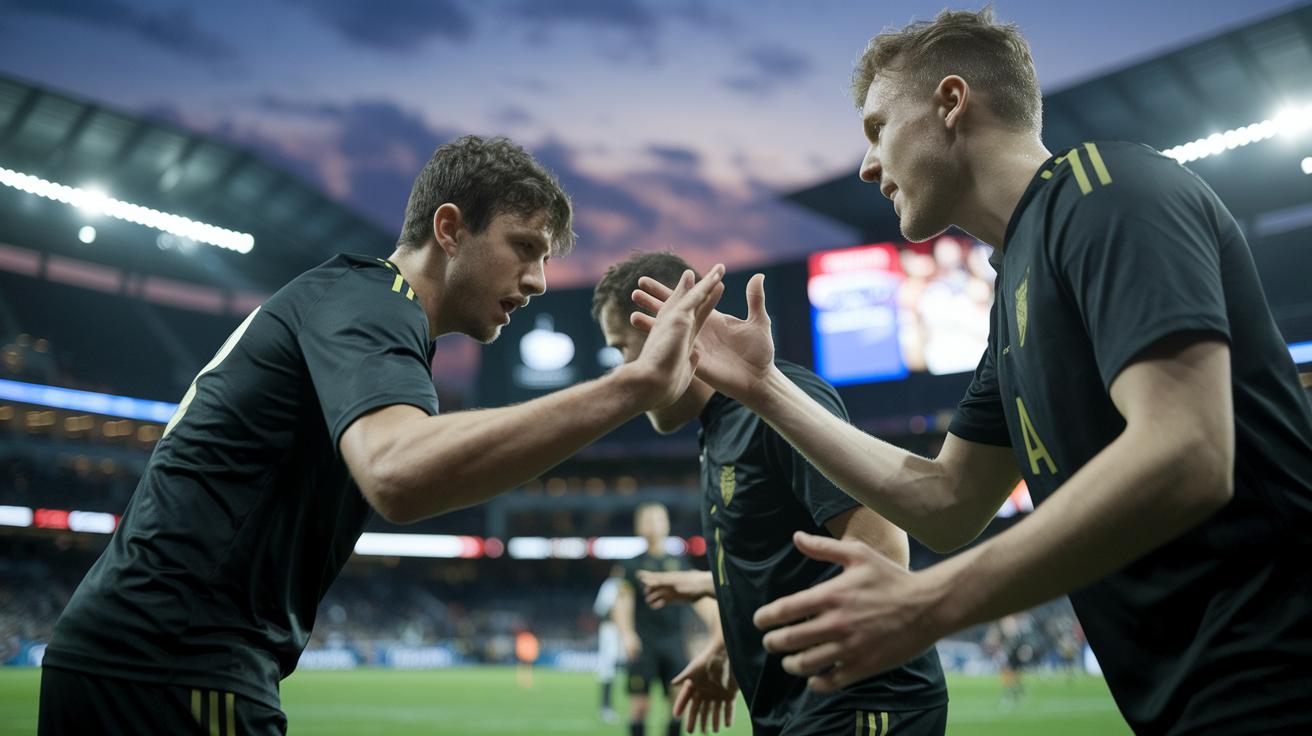
Stay sharp when the game changes pace. The meta can turn on a dime, so always have a backup plan ready to go. Think of every shift as a split-second pause to check the situation. Break it down, feel the momentum, and decide your next move. This quick read of the game tells you exactly when to launch a counter-offensive.
When things slow down or your rival pulls ahead for a bit, use that break to rethink your strategy. Ask yourself, "What other tactics can we try?" It might help to have a list of backup plays ready, like switching roles, changing positions, or resetting your usual formation.
- Take a moment after a big play to review how your team did and spot chances to counter.
- Have a couple of quick alternative strategies up your sleeve to keep the other team off balance.
- Chat with your teammates during these pauses so everyone can pitch their ideas.
Remember, keeping things unpredictable is your secret weapon. When your opponent thinks they’ve figured out your next move, catch them off guard with a new counter-strategy that flips the game. With these tips, you’ll adjust on the fly and keep your rivals guessing every step of the way.
Final Words
In the action, this esports competitive play strategy guide brings you immediate tactics, from optimizing hardware to refining communication cues, that fuel on-the-fly adjustments. We broke down how map control, team synergy drills, and reaction time workouts can sharpen your skills. The article also covers in-game decision frameworks, match checklist planning, and adaptive counter-offensive methods. Each point matters when you’re living the thrill of the game, making those split-second plays count. Let the energy and tips shared here drive you toward more dynamic gameplay every match.
FAQ
What do the quick tactical guidelines for competitive esports include?
The quick guidelines cover essential tips like optimizing hardware and settings, establishing role-specific warm-up routines, using clear communication protocols, monitoring patch notes, and practicing mental resilience.
How does the article explain mastering game meta analysis and map control strategies?
The article shows how to track patch notes, analyze role compositions, follow map rotations, align economy phases, and time objectives—all to boost your in-game control.
What meta elements and strategy approaches are highlighted for game analysis?
The article offers a table outlining key meta aspects alongside corresponding strategy ideas:
| Meta Element | Strategy Approach |
|---|---|
| Patch Update | Monitor changes and tweak tactics accordingly |
| Role Composition | Adjust lineups to meet meta demands |
| Map Control | Enforce rotations and strong positioning |
| Economy Management | Plan resource use aligned with changes |
| Objective Prioritization | Time plays based on current patch strategies |
How does the article help build team synergy and optimize communication?
It outlines drills for role coordination, guidance on standard callouts, and routine reviews designed to boost effective real-time communication and build strong team chemistry.
What training routines are suggested for improving mechanics mastery and reaction times?
The article recommends focused aim drills, simulation modules for shot accuracy improvements, and short rest breaks to keep your reflexes sharp and avoid fatigue.
What in-game decision analysis methods are shared for objective control?
It details replay analysis for error spotting, planning risk-managed approaches for bomb sites or capture points, and combining micro decisions with overall strategies.
How are tournament preparation methods and match checklists addressed?
The article provides guidance on pre-match warm-up drills, mental fortitude practices, opponent scouting, and post-match debriefs to help maintain peak performance.
What strategies are recommended for adapting and launching counter-offensives during matches?
The article suggests using contingency plans for meta shifts, evaluating momentum quickly, and implementing alternative tactics to stay unpredictable against opponents.