
Ever thought your walking or running style could boost your game? Gait analysis breaks down every step into bite-sized parts so coaches and doctors can easily spot how to up your performance. Imagine a slow-motion replay that catches every footfall, showing exactly how your body moves with each beat. This neat trick gives you clear, simple tips to tweak your training, play harder, and dodge injuries on the field.
Gait Analysis: Definition, Purpose, and Key Benefits
Gait analysis breaks down how we walk and run. It helps both doctors and sports coaches by watching key moments like when your foot first lands, when your body is balanced over your leg, and when your foot gets ready to push off. In plain language, first contact is when your foot hits the ground, mid-stance is when you're steady on that foot, and terminal stance is when you prepare for the next step.
Imagine high-tech 3D cameras capturing every movement in real time. They show exactly how your joints and limbs work together. Force plates record the impact your feet make with the ground, kind of like listening to a crisp, clear echo of your steps. Wearable devices then track your step rate, the bounce in your stride, and how long each foot stays on the ground. And pressure sensors can even spot if one side is working harder than the other, though they might not tell you why.
Here's a fun fact: many top athletes have boosted their running efficiency just by fine-tuning their gait mechanics. These insights do more than prevent injuries or help with rehab, they also help coaches adjust training to perfect movement and boost performance on the field. Every analysis turns detailed data into smart, winning strategies that can really make a difference.
Biomechanical Foundations of Gait Analysis
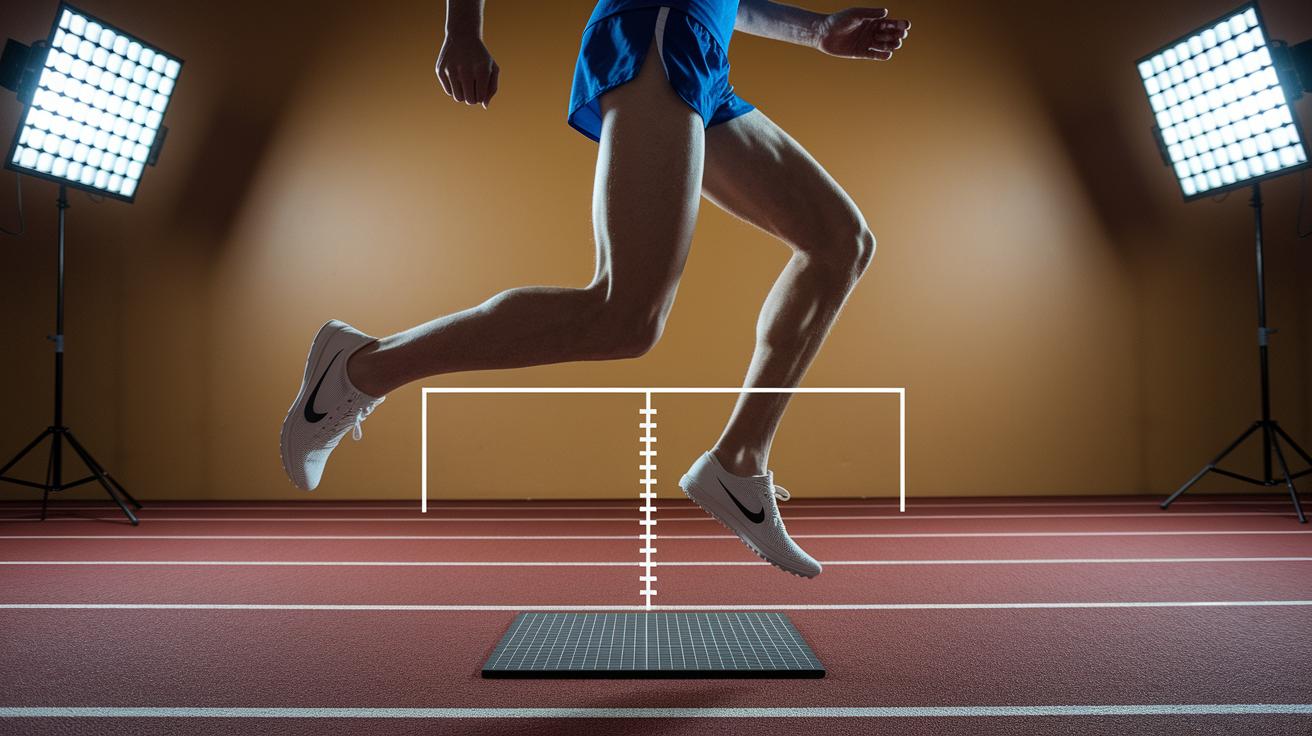
Gait analysis chops movement into clear stages: initial contact, mid-stance, and terminal stance. At initial contact, it's like capturing a quick snapshot of your foot landing, just like a split-second moment in a fast game.
Motion capture with 3D cameras tracks joint angles and limb positions. Think of it as a slow-motion replay that breaks down every joint's move, just like watching a runner burst off the starting line.
Force plates measure the push you put into the ground. They pick up details like how long your foot stays down and how hard it hits, similar to a scale pinpointing your weight in action.
Then there are temporospatial parameters. Metrics like cadence (steps per minute) and vertical oscillation (how much you move up and down) shine a light on your rhythm and balance. Picture a drummer setting the beat, each step perfectly timed to keep the flow.
Electromyography uses sensors to catch muscle activity, turning electric signals into real data. This method shows how your muscles fire during every stage of your walk, rounding out the full picture of your movement.
Methods and Tools Used in Gait Analysis
Gait analysis is like watching the replay of every move you make using cool, high-tech gear and clever software. Helix 3D stands out as a game changer, this digital motion capture system is trusted by research labs and pro sports teams alike. Imagine a runner’s stride frozen in slow motion, revealing each joint twist and turn; it’s like turning your everyday run into a detailed highlight reel.
Force plates built into treadmills capture the power when your foot hits the ground. They measure how hard you push off with every step, kind of like checking the boost behind a sprint. And then there are wearables that keep an eye on your cadence, vertical bounce, and how long your foot stays on the ground, all in real-time.
Plantar pressure mapping ups the ante even more. Tools like pressure treadmills and 3D foot mapping systems show exactly how pressure is spread across your feet during each stride. This helps spot even subtle differences between your left and right foot, even if the reasons aren’t clear right away. Then, smart software pieces all this raw data together, turning complex moves into something we can really get.
Interactive platforms such as the RunDNA Portal let coaches and athletes turn data into custom training plans. Key tools include:
- Motion capture with systems like Helix 3D
- Force plates that record ground-reaction force data
- Wearable sensors tracking cadence, vertical movement, and contact time
- Digital motion capture for pinpointing movements
- Plantar pressure mapping using pressure treadmills and 3D foot mapping
Every piece works in sync to transform numbers and images into real strategies. This teamwork helps coaches find areas to boost performance and lets athletes fine-tune their form, much like perfecting a winning play.
Clinical Applications of Gait Analysis
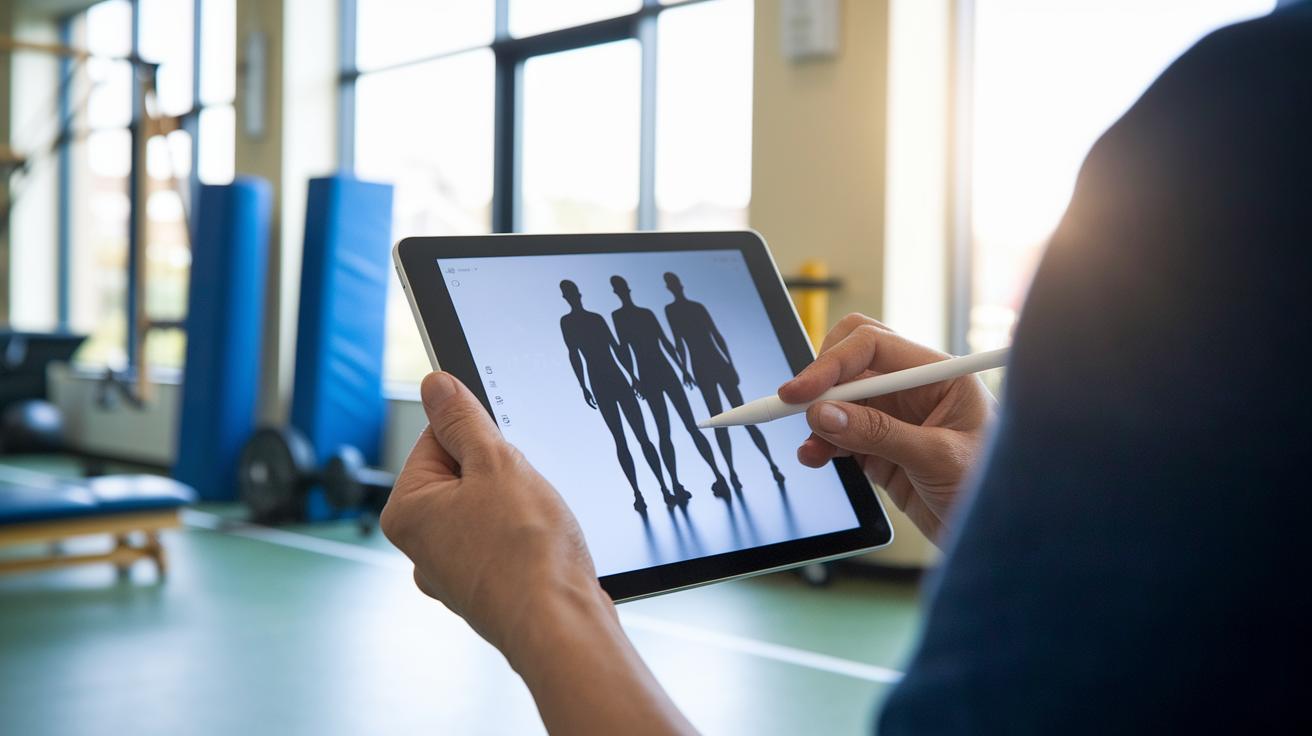
Ever wondered if each step tells a story? Medical gait analysis does just that. Experts take a close look at every stride to spot any imbalances that might lead to bigger issues later.
Doctors and therapists rely on these movement assessments to build better recovery plans. Whether you're coming off a stroke or sorting out an orthopedic problem, they record every move like it's the highlight reel of your health. They capture the tiny details so you can see exactly where your walk might be off balance.
These reports are more than just notes on paper. They include clear video clips of your movement, strength exercises, and even tips on the best shoe changes to support you. It’s like having a personal coach who points out exactly where you need a boost.
What’s cool is that these evaluations are designed to work even when time, space, or equipment are tight. In a busy clinic, a quick, thorough gait check can lead to personalized advice just for you. Whether it's a deep dive into movement disorders or fine-tuning a runner’s stride, modern gait analysis keeps you on track and moving strong.
Athletic and Performance Applications of Gait Analysis
Gait analysis gives athletes and coaches a way to fine-tune every step. Think of it like checking your car's miles per gallon, each stride matters in cutting stress and saving energy. Coaches dig into precise movement data to spot where your stride is feeling the strain, then work to smooth it out so your body wears down less fast.
Whether you're a newbie running a 5K or a seasoned pro marathoner, gait analysis can step up your game. It’s not just about tallying your steps; it's about nailing your foot-strike, cadence, and rhythm, kind of like a musician tuning their instrument for that perfect note. A smoother step feels like easing into your gear during a race, keeping you strong for the long haul.
Certified courses bring in gait retraining methods that mix in plyometrics, tailored strength training, and the right amount of rest. These sessions are your ticket to fending off injuries before they bench you. Runners learn to catch those tiny changes in form with real-time feedback, and coaches use detailed data about how you move to spot opportunities for improvement during practice.
Imagine a session where you work on your step frequency. You run a few laps while sensors pick up each footfall, revealing the perfect rhythm for power and reduced impact. It’s as exciting as catching a replay of a game-winning play, helping you boost your pace in a smarter, safer way.
Case Studies and Practical Examples in Gait Analysis

Imagine stepping into a store for a 30-minute session that feels like a fun pit stop. You slip on a simple, neutral shoe and jog for just 15 seconds to capture your natural stride. One happy customer said, "I couldn't believe how clear my stride was, almost like watching my own game plan in action." With your new pair, a rear-view analysis comes free, and if you're curious for more, you can add a side-view analysis for a little extra. In some spots, you'll even get a free 3D foot scan that lets you peek at every twist and turn of your movement.
The star of these sessions is the Helix 3D system. Think of it like a high-tech play-caller, breaking down your run in crisp, three-dimensional detail. It checks if your foot roll is just right or if you're leaning too much to one side, whether that means neutral, underpronation, or overpronation. This way, you get advice that fits your style perfectly. And with platforms like the RunDNA Portal, the information turns into personalized coaching tips that feel like having your very own coach by your side.
Key highlights of the service include:
| Feature | Description |
|---|---|
| In-store Session | A 30-minute session paired with a quick jog to capture your natural movement |
| View Options | Free rear-view analysis and optional side-view plus 3D foot scan in some locations |
| Data-driven Advice | Personalized insights from a detailed, lab-trusted gait analysis |
This approach makes a complex science feel as clear as watching your favorite play. It turns those tricky biomechanics into simple, actionable tips to help you run smoother and faster, just like tweaking your game plan for that winning streak.
Interpreting Gait Analysis Data and Improvement Strategies
A lot of gait analyses hand you raw numbers without a clear game plan. That’s why turning stats into everyday movement improvements is key. Coaches now mix in explosive drills like plyometrics with targeted strength moves and proper rest breaks. It’s a bit like tuning up your gear to run smoother and perform better.
Take the vDot Calculator as an example. Think of it as a friendly coach guiding you: "Kick off with an explosive plyometric burst, imagine a quick sprint followed by jump drills, then add in some focused mobility work." This method gives athletes a clear, step-by-step roadmap to adjust their stride, boost balance, and use energy more wisely.
Key steps include:
- Performing specific mobility drills to sharpen your movement.
- Doing strength exercises that build stability and power.
- Tracking progress with measurable numbers to fine-tune your routine.
By adding these measurable checkpoints into each practice, athletes can steadily make every step more efficient and powerful.
Final Words
In the action of gait analysis, we broke down key insights on analyzing walking and running mechanics. We explored everything from tech tools to real cases.
Each section explained how understanding movement can guide both clinical fixes and athletic boosts. These clear tips show how tracking steps today can raise performance tomorrow. Keep stepping forward and let your passion for sports drive every move.
FAQ
Gait analysis near me
Looking for gait analysis near you means finding local experts who use advanced tools to check your walking or running form. Their insights help spot and fix movement issues for better comfort and performance.
Gait analysis pdf
A gait analysis PDF gives you a clear, written report explaining how your walking or running mechanics were evaluated. It breaks down the findings and offers advice for improvement.
Gait analysis shoes
Gait analysis shoes incorporate sensors to monitor your foot movement and pressure. They help identify any imbalances in your step, guiding you toward better footwear choices.
Gait analysis running
Gait analysis running reviews your stride, foot strike, and cadence to spot any inefficiencies. This evaluation helps in adjusting your form, reducing injury risks, and boosting performance.
Gait analysis physiotherapy
Gait analysis physiotherapy uses movement tests to support recovery and pain relief. Therapists study your gait to create custom rehab plans that enhance stability and comfort.
Gait analysis test
A gait analysis test uses equipment like motion capture systems and force plates to measure your movement. It gives you data on stride, balance, and efficiency whether for sports or clinical care.
Gait analysis walking
Gait analysis walking focuses on your natural walking pattern to find uneven steps or imbalances. This helps recommend changes that make everyday movement smoother and less tiring.
Gait analysis machine
A gait analysis machine is gear that records your movement using cameras, sensors, and force plates. It creates a detailed profile of your walking or running to spot any issues.
What does a gait analysis tell you?
A gait analysis tells you about the rhythm, balance, and efficiency of your movement. It highlights any irregularities so you or your coach can work on a smoother, safer stride.
How much does it cost for a gait analysis?
The cost for a gait analysis depends on the facility and technology used. Prices can range from a moderate fee at clinics to higher amounts in specialized sports settings.
Can I do my own gait analysis?
You can do a basic gait analysis using mobile apps or wearable tech. Still, a professional assessment is more detailed and can catch nuances that DIY tools might miss.
Is a gait analysis worth it?
A gait analysis is worth it if you’re looking to enhance performance, relieve pain, or prevent injuries. The focused insights can lead to targeted improvements in your movement.