
Ever wonder how a split-second replay turned into a game changer?
Instant replay made those nail-biting moments more than just a blur, you could watch them over and over, soaking in every detail.
Back in the day, replays meant bulky film and clumsy equipment. Innovators like George Retzlaff and Tony Verna stepped in, shaking up the playbook so fans could catch history in real time.
Today, thanks to their breakthrough, every crucial play becomes a highlight you won’t forget. Isn’t it wild how one tiny moment can make the whole game even more exciting?
Understanding Instant Replay Origins and Its Impact on Sports Highlights
Instant replay burst onto the sports scene over 50 years ago, completely changing how we relive those big moments. Imagine this: before the digital era, a simple wet-film replay by George Retzlaff on Hockey Night in Canada during the 1955–56 season had fans buzzing over a perfectly timed goal. George used a hot-film processor (a cool, early tech tool) to capture a split-second moment and turn it into a memory you could watch again. His breakthrough set the tone for the tech evolution that would soon rock sports broadcasting.
Then came Tony Verna in 1960 at the Rome Olympics. Tony kickstarted a new era by introducing a videotape-based replay system with audio cue tones – think of it as hitting rewind on the action. His method let broadcasters jump back to those key moments, so every play was captured for the fans. And on December 7, 1963, the NFL had its very first replay during the Army-Navy football game when Rollie Stichweh's touchdown lit up screens again, even with a clunky 1,200-pound machine and a tape-over mix-up. Wow.
Early on, technical challenges and high production costs sparked plenty of debates, but these hurdles built the foundation for today’s dynamic sports highlights. Now, instant replay is a must-have on TV, giving us a front-row seat to every electrifying, game-changing moment.
Pioneering Instant Replay Technology: From Film to Videotape
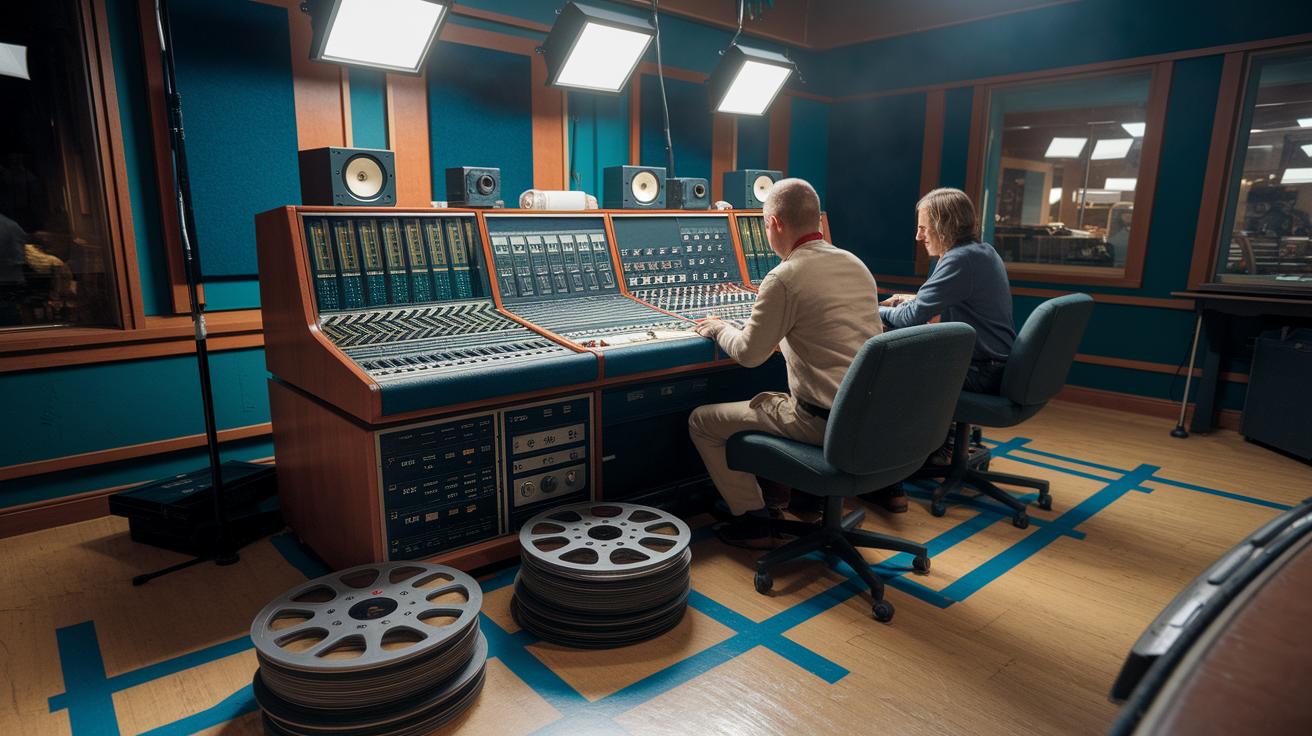
Back in the mid-1950s, broadcasters dealt with clunky film replays using heavy gear and messy chemical processors. It took minutes to process a clip, leaving fans eagerly waiting for that unforgettable play.
By 1960, everything changed thanks to Tony Verna. His innovative videotape system, featuring tone-triggered cue tracks (which automatically found key moments), cut processing from minutes to mere seconds. This upgrade not only sped things up but also paved the way for new features like slow motion and multiple viewing angles.
Then, in 1965, ABC baseball shows started using slow-motion replays during games. Even though some folks doubted its benefits at first, these improvements meant that every exciting play was looked at from different angles, giving fans a closer, more detailed look at the action.
Broadcast Evolution of Instant Replay: Debut and League-wide Adoption
Instant replay burst onto the scene back in the 1963 Army-Navy game when Rollie Stichweh scored a touchdown that fans still talk about. By 1965, ABC Baseball had already gotten behind slow-motion replays, setting the stage for a whole new era in live game action.
Production teams quickly started capturing those unforgettable plays from multiple angles, trying to catch every thrilling detail. But the high costs and fears of giving one team an unfair edge led the Pacific 8 conference in 1966 to ban in-stadium replays for coaches.
Then, in 1977, during an Atlanta Braves–Astros game, an in-stadium replay stirred up enough controversy to put live replay rules under a tighter microscope. Fans weren't too happy, and networks had to step in to refine the process.
The NFL dipped its toes into replay during seven preseason games in 1978. This trial run paved the way for a full-blown rollout in 1986 with a quick 15–20 second review window , just enough time to check the play without breaking the game’s rhythm.
For more insights on how these changes reshaped TV production, check out Sports Broadcasting.
Enhancing Officiating with Instant Replay for Accuracy and Fairness

Instant replay has truly changed the game for officials, cutting down on mistakes and keeping things fair. Today, almost every sport uses these new systems instead of just old-school methods.
Take tennis for example. The Hawk-Eye system is a real game changer. Picture this: when the ball just brushes the line, Hawk-Eye’s sharp tracking makes it crystal clear whether it’s in or out. This tech helps referees make quick and spot-on calls, keeping the match on track.
Over in soccer, VAR steps in during those nail-biting moments. When the play gets tricky, like a puzzling offside call or a heated decision, VAR gives officials the clear facts they need to make the right call. It’s all about making sure everyone trusts the call.
Across the board, these enhanced replay systems help officials catch little errors, make consistent decisions, and keep the spirit of the game alive. Experts say this tech has boosted confidence in how games are run, making the match experience better for players and fans alike.
Transforming Sports Highlights: Instant Replay and Dynamic Reels
Instant replay changed the game completely. Imagine a nail-biting run, caught live, then slowed down so you can catch every tiny movement. It took simple highlights and turned them into a full-on multi-angle experience that cranks up the excitement for everyone watching.
Networks jumped on this trend, mixing live bursts of action with replay segments that zoom in on key moments. Producers started pairing real-time plays with detailed, frame-by-frame breakdowns, suddenly, every match became a treasure chest of striking visuals that fans could watch over and over. It wasn’t merely about seeing the play; it was about reliving that electrifying surge when your team pulls off something big.
As digital editing tools improved through the 90s and 2000s, making reels faster and more creative, editors began stitching together multiple angles to create these dynamic montages. Picture this: an epic catch shown from the sprint, the mid-air leap, and that perfect, secure grab, all in one seamless reel. This wasn’t just a clever trick; it turned each play into a mini cinematic story, giving every moment a spotlight that went beyond the game itself.
Today, sports fans don’t settle for just one view. They want quick access to those thrilling slow-motion replays and breakdowns right on their phones or social media feeds. Every game-changing moment is at their fingertips, making the old highlight reel a thing of the past. It’s like having your own personal archive of epic plays, just a click away on the "Highlight Reel" (https://muleforce.com?p=2274).
This visual shift has reimagined sports storytelling, drawing fans deeper into the action on the field and sparking conversations off it. Ever feel that rush when every pass, jump, and goal comes alive in front of you? Now you can experience that thrill over and over again.
Legacy and Next-Gen Instant Replay Innovations in Sports Media
Instant replay has totally changed the game from its humble beginnings. Back in 1967, a clever video system was used to record moments before a crash, which later inspired the U.S. military to use similar tech in the field. Imagine knowing that all the magic you see today started with one bold idea.
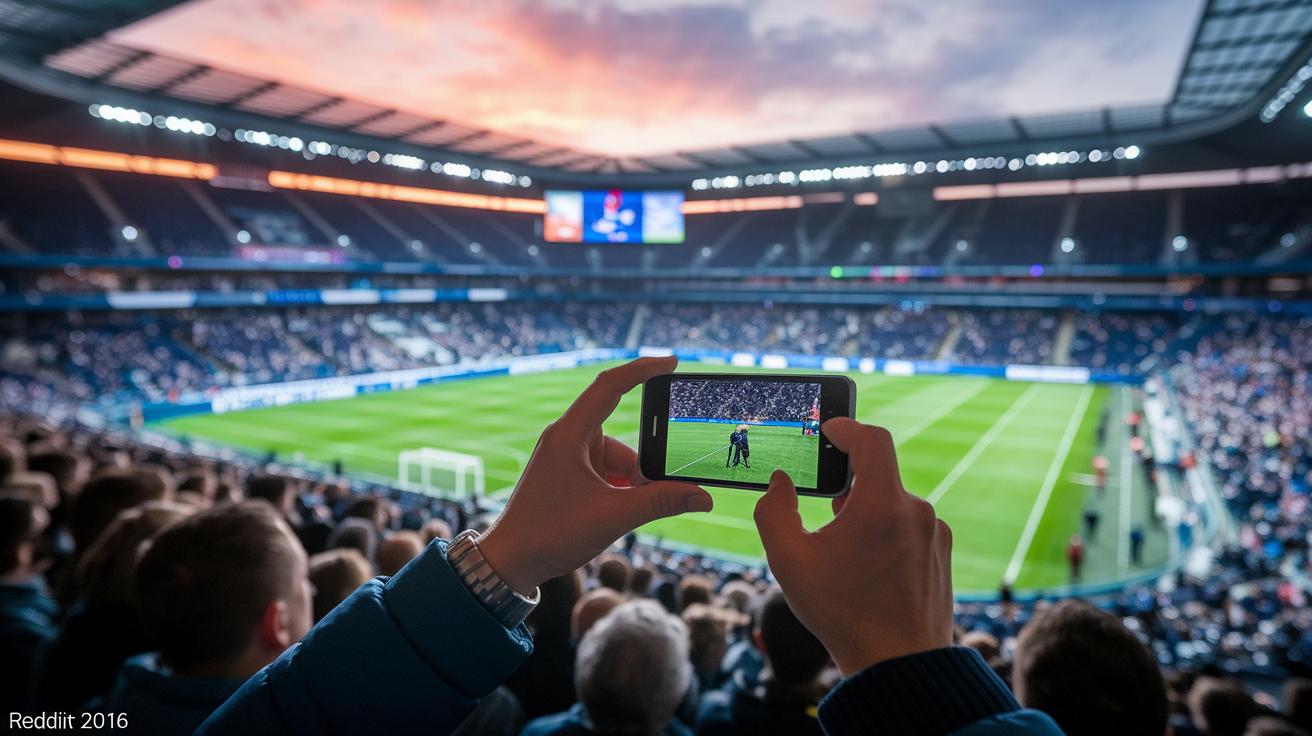
Now, cheaper hardware and cloud-powered platforms have turned real-time mobile apps and even virtual-reality overlays into a real treat at stadiums everywhere. Picture yourself in the stands, pulling out your phone to check out a replay shot from every angle. AI is even stepping in, tagging those game-changing plays automatically so you never miss a moment of the action.
Up next are even more thrilling updates like multi-camera 360° playback and AR views right from your seat. These tools aren’t just changing what you see on screen; they’re also giving you deeper insights into every move on the field. It’s like having a front-row ticket to every play that makes you feel like you’re part of the team.
Final Words
In the action, we revisited how instant replay changed the game. We followed its roots from early film experiments to today's multi-angle, slow-motion magic. Each breakthrough shaped calling the shots and bringing fans closer to every play. The shift from bulky film to high-speed digital processes brought fairness and excitement alike. Every milestone built on the last, paving the way for a richer viewing experience. Instant replay explained how it revolutionized sports highlights, leaving us all eager for what comes next.
FAQ
What is instant replay in sports?
Instant replay in sports is a tool that lets officials and fans view slow-motion video replays of key moments, ensuring clearer decisions and an enhanced viewing experience.
When was instant replay first used in football and college sports?
Instant replay made its debut in football during the 1960s. It was first seen in the NFL’s Army-Navy game in 1963 and soon after found its way into college football games.
Who invented instant replay?
Instant replay’s roots trace back to innovators like George Retzlaff, who introduced wet-film replays in hockey, and Tony Verna, who pioneered videotape-based replay during the 1960 Rome Olympics.
How does instant replay impact sports and improve fairness in high-stakes games?
Instant replay boosts game integrity by helping officiate with quicker and more accurate reviews. It plays a key role in high-pressure moments, such as in the Super Bowl, ensuring fair and correct decisions.