
NEVER GIVE UP. James Morrison is a reminder that a career setback is not the end. After 15 seasons on the DP World Tour he lost his tour card and faced public doubts, private frustration and a tough run of form. He opened up about the struggles in Dubai, laid out a plan on the Life on Tour podcast, rebuilt confidence with a win on the HPlanner Tour, and faced deep mental battles along the way. A moving chapter saw his 13-year-old son caddying at the Rolex Grand Final. In the end Morrison won that event and reclaimed his DP World Tour card.
Dubai honesty: Morrison opens up about his struggles
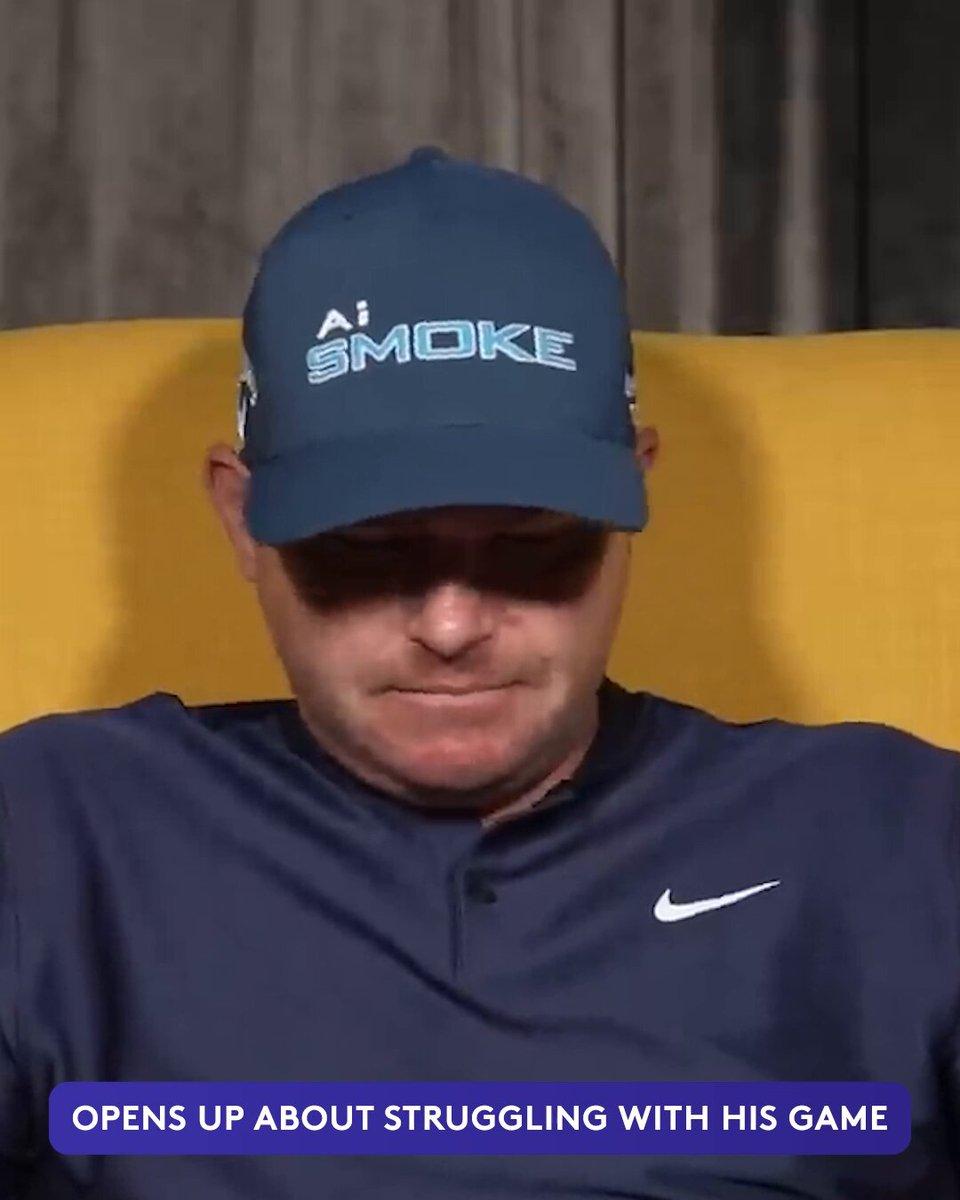
In Dubai Morrison sat down in public and spoke candidly about the slide in his game. What started as a few missed cuts became a crisis of confidence. He described sleepless nights, mechanical swings and the humiliation of not hitting the shots he used to make. The Dubai stage was not about coaching tips but honesty; he admitted fear of losing his place on tour and the pressure of expectations after 15 years as a pro. That vulnerability resonated with fans and peers, and set the tone for the comeback , acknowledging pain before plotting a way out.
A devastating setback: Losing his DP World Tour card after 15 years
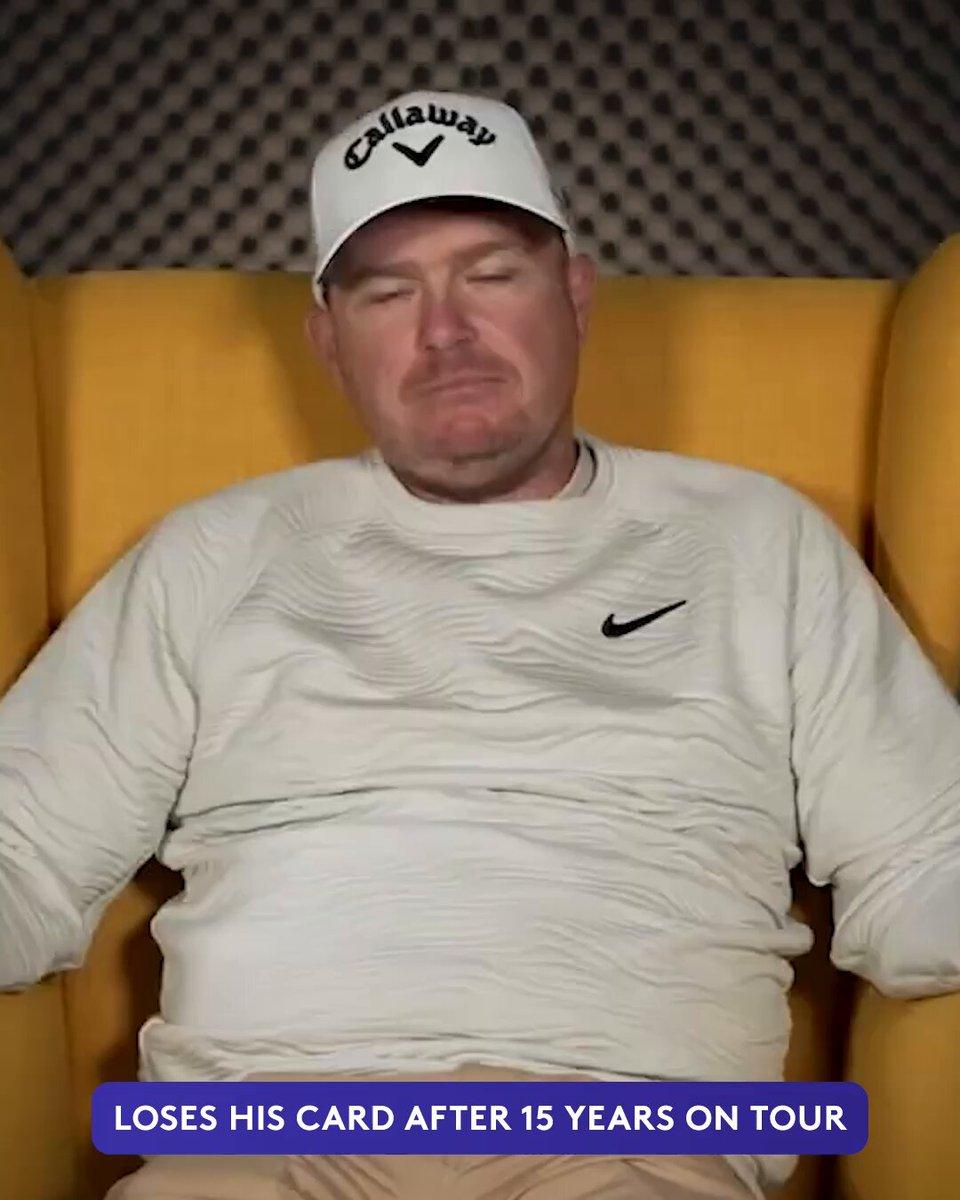
Losing the DP World Tour card after 15 years was a gut punch. For more than a decade Morrison had built a life on the road, routines, sponsors, and identity tied to elite competition. Suddenly that security evaporated and replaced by uncertainty about income, status and future bookings. The loss was not just a statistic; it was an emotional rupture that forced reflection. Friends offered support but the competitive instinct wanted to fight back. He had to decide whether to chase form on lower level circuits, rebuild from scratch, or walk away. The answer would define the next chapter of his career.
Life on Tour podcast: plotting the comeback plan
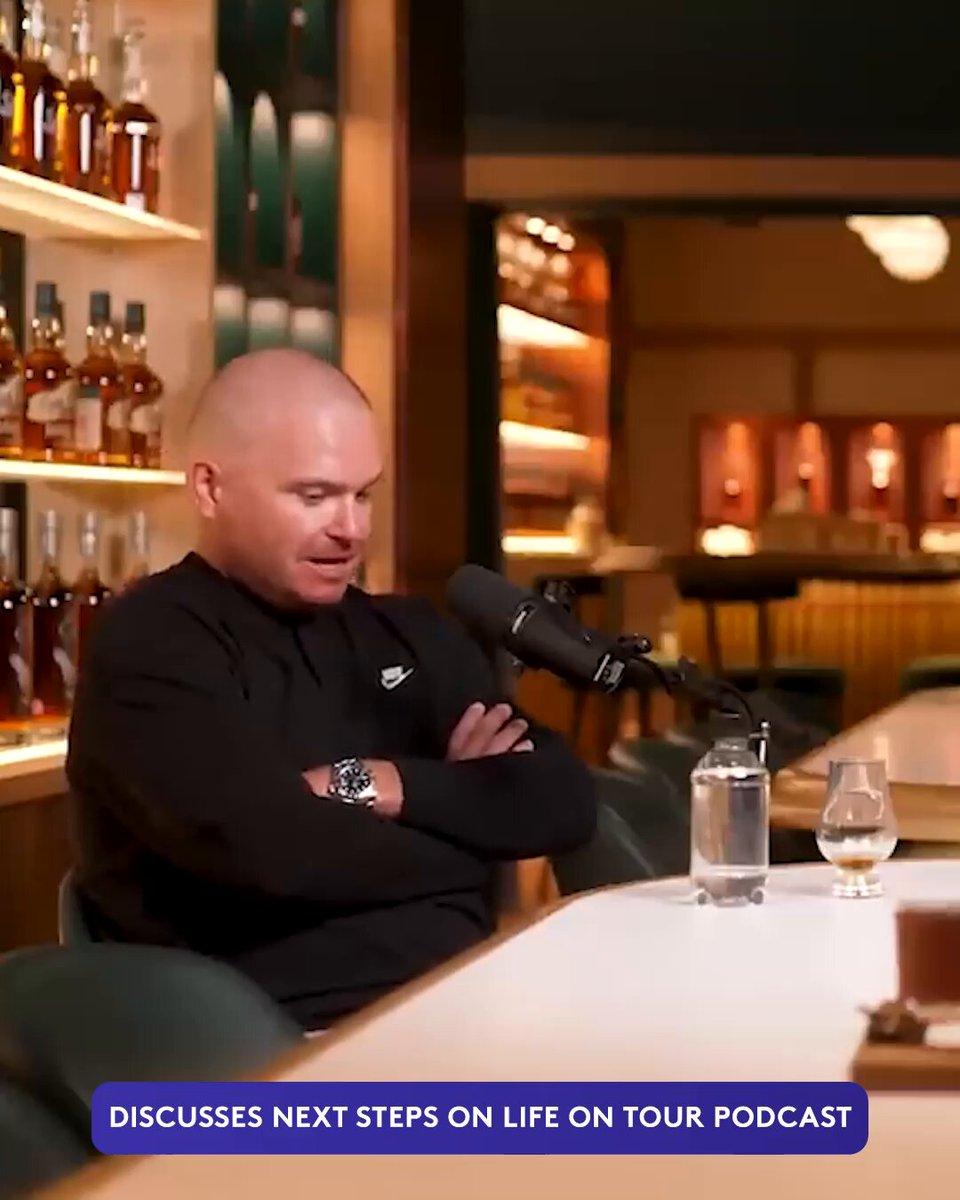
He went on the Life on Tour podcast to be open about options and mindset. On air Morrison talked through technical adjustments, coaching conversations and the brutal honesty he owed himself. He spoke about leaning into smaller events to find scoring momentum, working with a sports psychologist and structuring practice with purpose, not just reps. There was a tangible sense of planning rather than panic, a blueprint to rebuild confidence. Listeners saw a golfer refusing to give up but willing to reinvent. The podcast appearance humanised him and helped signal that his comeback would be methodical, not miraculous.
Back in the mix: a win on the HPlanner Tour
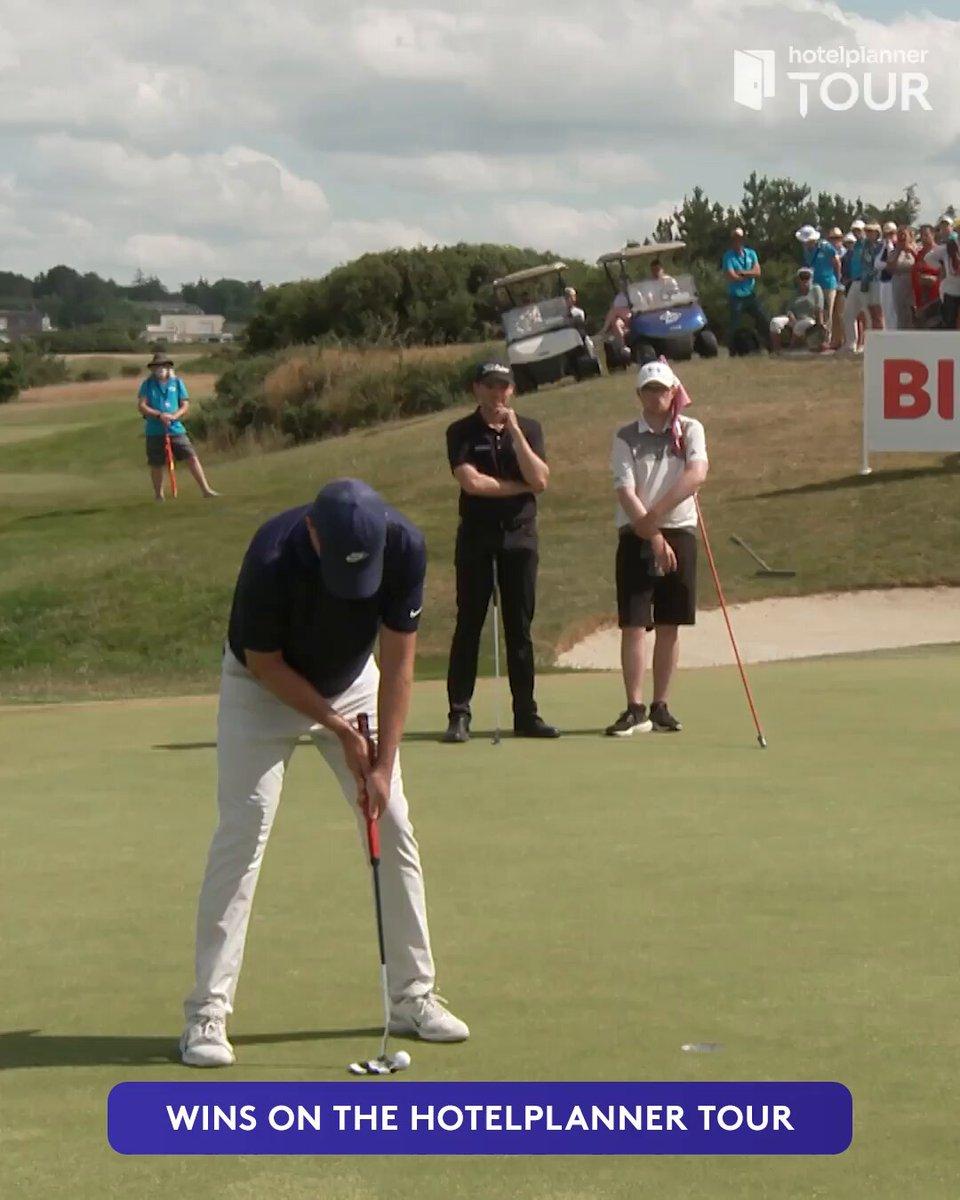
One of the turning points came on the HPlanner Tour where Morrison found his scoring touch again. The win was not glamorous but brutally important; it delivered the one thing practice could not , validated belief. He executed under pressure, showed renewed short game feel and proved he could close tournaments. That victory reset expectations and shifted conversations from what had been lost to what could be regained. For a player coming off a tough season, the result offered proof that form could return. It also drew attention from coaches and sponsors who prefer to back winners, and it paved the way for bigger success.
I'm very proud: reflecting on a first win in ten years

He called it I'm very proud and the sentiment resonated. Returning to winner's circle after a decade carries layers: relief, pride, and the knowledge that hard work paid off. Morrison reflected on sacrifices, late nights on the range and the patience required to rebuild a career. Teammates and family celebrated but he kept perspective, framing the win as a milestone not an endpoint. That victory gave him permission to dream again and quietly restored the swagger needed to compete at the highest level. For fans it was a reminder that persistence sometimes looks ordinary before it becomes remarkable.
The invisible battle: mental health and resilience

He spoke frankly about the mental battles that nearly ended his career. Beyond swings and scores there were days when motivation evaporated and anxiety about performance seized him. Morrison described how self-criticism amplified small mistakes until golf felt hostile. He credits seeking professional help, meditation and a process of rewriting internal dialogue that turned doubt into curiosity. The slow psychological work changed how he prepared, how he slept and how he handled bad holes. This was the less glamorous but most critical part of the comeback, a reminder that elite sport is as much psychological as physical and that asking for help is strength.
A family moment: his 13-year-old son caddies at the Grand Final

It was one of the most human moments in the comeback: his 13-year-old son caddying at the Rolex Grand Final. That image bridged career aspirations and family pride; the youngster's calm presence steadied his father in tense moments. For Morrison the decision to have his son carry the bag was both practical and symbolic, a showcase of trust and a chance to share a defining moment. Fans reacted to the heart of the story , not just a competitor but a dad teaching resilience. The pair's bond added pressure but also perspective, turning competition into memory-making.
Redemption complete: Rolex Grand Final victory and the card regained

The final act was pure redemption. At the Rolex Grand Final Morrison produced composed golf, made big putts and held steady under the kind of scrutiny that breaks many. That win did more than earn prize money; it returned his DP World Tour card and validated every painful choice he'd made. Cameras caught him hugging his son, teammates and a swelling crowd, proof that stories of decline can flip to triumph. The victory resets his schedule, secures status and gives him license to aim higher again. For Morrison it was vindication, proof that patience, hard work and belief can rebuild a career.