
Ever wondered why some sports that spark passion can also spark pain? Imagine the shock when fans hear the injury stats tied to their favorite games. In 2020, clinics saw a huge spike in visits from sports that, on the surface, seem pretty safe.
Our deep dive into the numbers shows that whether a sport is known for heavy tackles or more relaxed play, surprises can hit hard. It’s like expecting a gentle breeze and suddenly feeling a gust that changes everything.
Play safe, win more. Ever found yourself rethinking a game after a close call? Let’s break down the stats and uncover why your beloved sport might have more hidden twists than you ever imagined.
Ranking the Most Injury-Prone Sports by Annual Injury Numbers
Hey sports fans, ever wondered which activities come with more bumps and bruises? In 2020, hospitals and clinics kept track of injuries, from cracked bones to twisted ankles, in sports that are both high contact and low contact. This report lines up each sport by how many injuries they saw, showing that even non-contact sports can pile up injuries just because so many people play.
| Sport | Annual Injuries (2020) | Common Injury Types |
|---|---|---|
| Bicycling | 425,910 | Fractures, head injuries, abrasions |
| Exercise Equipment | 377,939 | Strains, sprains, falls |
| Skateboards/Scooters/Hoverboards | 217,646 | Wrist/arm fractures, head trauma |
| Basketball | 214,847 | Ankle sprains, knee ligament tears, fractures, concussions |
| Swimming | 129,708 | Rotator cuff tendinitis, overuse issues, drowning risk |
| Football | 122,181 | Concussions, ACL tears, sprains, fractures |
| Playground Equipment | 120,829 | Fractures, head injuries |
| Trampolines | 106,358 | Sprains, fractures, head injuries |
| Soccer | 81,452 | ACL tears, sprains, concussions, shin splints |
| Baseball/Softball | 70,209 | Rotator cuff/UCL tears, fractures, concussions |
Even sports like football and basketball, known for their tough physical play, see fewer injuries compared to something like bicycling. With so many people riding, bicycling ends up at the top of the list. It just goes to show that no matter the sport, it’s smart to gear up and stay safe out there.
What Makes These Injury-Prone Sports High-Risk?
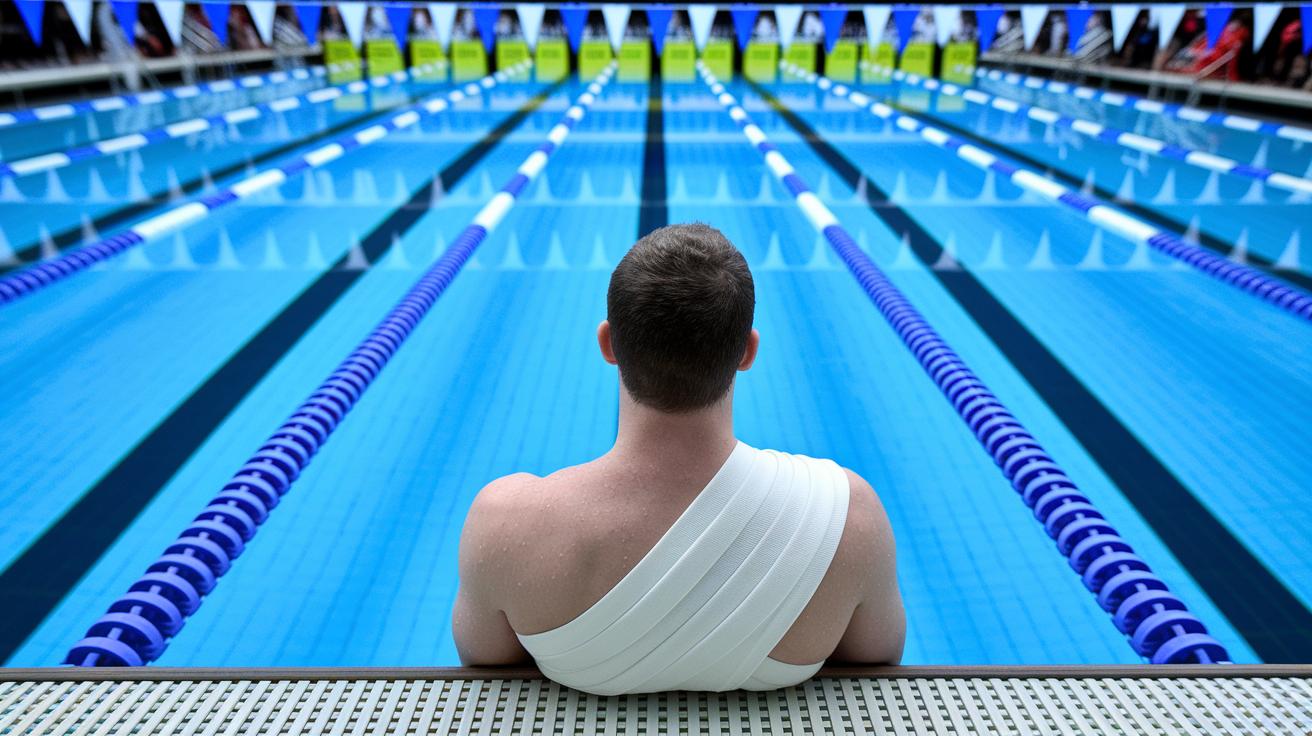
When you watch a game, you can almost feel the impact of direct collisions and the overuse strains athletes face. In sports like football and basketball, big tackles and tough defensive moves can lead to concussions, sprains, or even torn ligaments. And then there’s the constant repetition in sports like swimming or baseball, where endless strokes or throws eventually wear your body down. Ever think of how a swimmer might battle shoulder pain after endless laps? Even in non-contact sports, repeated stress builds up and can cause lasting damage if you don’t manage it right.
Sometimes, it’s not just the play, equipment problems or skipped warm-ups add to the risk. Faulty gear or a rushed setup can lead to unexpected falls and strains, even during a regular practice. Many athletes might skip the full warm-up, meaning their muscles aren’t ready for the hard hits or sneaky twists of the game. A solid pre-game stretching routine and a check on your gear can really make a difference, turning practice into a safer step toward game day.
Contact vs Non-Contact Sports Injury Comparison
Contact sports are all about hard hits and sudden collisions – think football tackles, rugby scrums, and hockey body checks. In rugby, roughly one in four players gets hurt every season, and hockey players often face jaw-dropping dental injuries along with head impacts. These sports deliver blows that can lead to sudden injuries like concussions and torn ligaments.
Non-contact sports, like biking and swimming, tend to have injuries stemming from falls or repetitive strain that adds up over time. For example, biking saw over 425,000 cases from falls and scrapes, while swimming logged around 129,000 injuries, mostly tied to overuse and shoulder issues. It’s more about gradual stress than crashing impacts.
The kinds of injuries you see also vary. Contact sports usually dish out quick, sharp injuries that need immediate, serious care, whereas non-contact sports often build up chronic issues that sneak up on you. All these details give us a clearer picture of the different risks athletes face out on the field.
Most Injury-Prone Sports Across Different Competition Levels
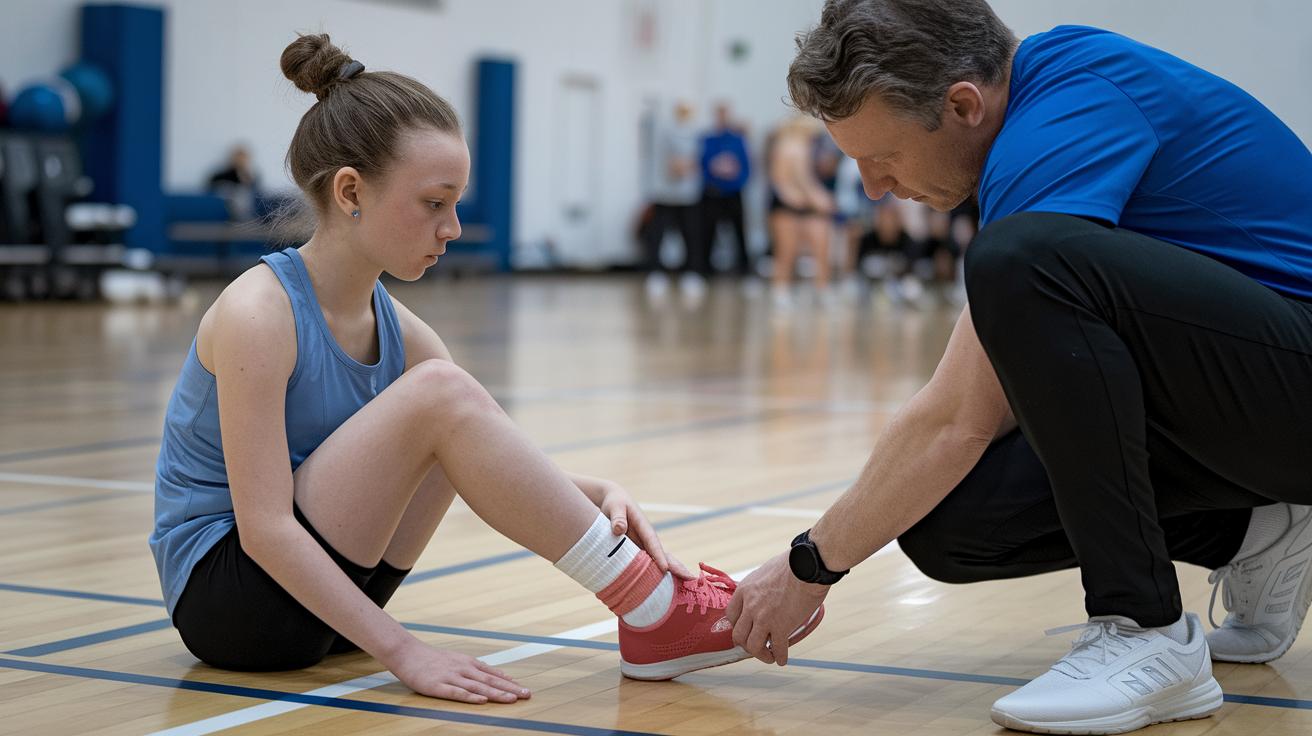
In youth and amateur competitions, injuries happen a lot. Young athletes and weekend players often face mishaps because they’re still learning the ropes and rarely have expert coaching. Even simple activities on playground equipment can lead to problems, over 120,000 cases have been reported from just those incidents. In high school football and local leagues, skipping warm-ups or using poor technique can easily result in sprains, concussions, or torn ligaments, simply because the specialized training seen at higher levels is missing.
At the college and professional levels, the game ramps up and so do the risks. Think about professional soccer players: they average nearly 200 injuries a season thanks to constant high-speed contact and physical challenges. College athletes also see more ACL tears and concussions as the play gets faster and more intense. Even though these top-tier teams have expert trainers and medical support, the fierce pace and rough competition still bring a real challenge in keeping injuries at bay.
Common Injury Types in the Most Injury-Prone Sports
In fast-moving sports, sprains and ligament tears are all too common. In basketball and soccer, those sudden turns can lead to sharp ankle sprains or knee injuries. Picture a player making a quick pivot, one small misstep, and the whole game feels the impact.
There’s also the real risk of concussions or fractures in contact-heavy games. In football and hockey, collisions can easily jar the head, while a sudden fall during skateboarding or biking might break a wrist or arm. One minute, everything’s going great, and the next, a hard fall puts a stop to the fun.
And let’s not forget overuse injuries. Repeating the same motions over and over can really take its toll. Swimmers might end up with sore, strained shoulders, and a baseball or softball player could suffer rotator cuff or elbow injuries from non-stop throwing. It all comes down to sticking with proper techniques and giving yourself time to rest, so you can keep playing at your best.
Prevention Strategies for the Most Injury-Prone Sports

When it comes to high-risk sports, taking a few extra minutes to prepare can be a real game changer. A proper warm-up, solid conditioning drills, and checking your gear can help you dodge sudden hits and avoid long-term overuse injuries. Imagine spending just a few extra minutes doing dynamic stretches before practice – it might just keep you playing instead of sitting on the sidelines.
- Dynamic warm-ups to get your muscles and joints ready for quick moves.
- Neuromuscular exercises that boost balance and coordination (think of it like tuning your body for a smooth performance).
- Strength training to keep your joints steady during fast plays.
- Regular checks to ensure your equipment is in top shape and fits well.
- Strict adherence to safety rules during practice and games.
- A one-person policy on trampolines to cut down on accidental bumps.
- Planned rest periods that give your body time to recover and build strength.
These techniques not only improve your performance but also create a strong safety vibe among teammates. Players who stick to these basics are more likely to handle the physical demands of the game and bounce back quicker if they do get hurt. Stay warm, stay safe, and keep enjoying the thrill of the game.
Future Trends in Research on the Most Injury-Prone Sports
Recent research is diving into new training and tracking methods designed to keep athletes safe. Experts are using neuromuscular training, a way to boost balance and reaction times, to help players easily adjust to sudden changes on the field. And now, wearable sensors track injuries in real time during practice and games, giving coaches and players instant feedback to fine-tune their performance. This proactive approach aims to cut down on strains and tears, making play safer and more enjoyable.
At the same time, innovative data tools are coming into play to spot trends in injuries over the season. Experts are using these analytics to predict when athletes might be most vulnerable, so teams can roll out smarter game plans. Constant improvements in protective gear, informed by real-world data, also show how tech is stepping up safety. It’s exciting to see how these advances help athletes stay in the game and keep the thrill alive.
Final Words
In the action, our blog broke down the 2020 injury reports, revealing key stats and common injury types across sports. We compared contact and non-contact events, highlighting how even non-contact activities like bicycling dominate the list of the most injury-prone sports.
We touched on causes like collisions, overuse, and equipment mishaps, and shared practical safety tips. Every detail reminds us to respect the game and stay safe while enjoying every exhilarating moment.
FAQ
What sport tops the list for most injuries and is considered highly injury prone?
The data shows bicycling ranks highest, registering more injuries than other sports based on 2020 numbers. This high count is largely due to its mass participation and the common fractures and abrasions reported.
What are the most common injuries by sport and what do the statistics say?
Injury patterns differ across sports. For example, bicycling frequently leads to fractures and abrasions, while basketball commonly sees ankle sprains, knee ligament tears, and concussions, highlighting sport-specific risks.
What sport has the most injuries in high school settings?
High school football is notable for its injury rates, with frequent episodes of concussions, ligament tears, and sprains occurring during the physically demanding, high-contact play.
How do concussion rates compare among sports, and which sport is noted for having the most concussions?
Football consistently leads in concussion rates due to the high-impact tackles and collisions, making it the sport most often linked with head injuries among athletes.
Which sport records more injuries overall, basketball or football?
Basketball reports a higher total number of injuries compared to football, though football tends to involve more high-impact injuries like concussions and critical ligament damage.
Which sport is most associated with ACL tears?
Football often sees a higher frequency of ACL tears, as intense collisions and quick directional changes put players at significant risk for these ligament injuries.