
Ever wondered if sports could twist your expectations? We're seeing a whole new side to games now where smart plays and raw strength step onto the field together. Imagine a match where a clever mind goes head-to-head with pure muscle, or a contest where biking skills meet soccer moves.
These unconventional games flip the playbook and mix strategy with athletic grit. It's like watching a brainy play run into a powerhouse tackle, you never know what's coming next.
Ready to experience the rush of something totally new? Let's jump in and explore these exciting games that show sports can be as creative as they are intense.
Defining Nontraditional Sports: What Sets Them Apart?
Nontraditional sports throw out the old playbook by mixing toughness and brainpower in unique ways you rarely see in standard games. Think of them as fresh spins on what you already know. Take Chess Boxing, for example. Before fighters ever step into the boxing ring, they tackle a 4-minute round of chess, sharpening their minds with strategy, then, bam, they switch to a 3-minute boxing round that tests their physical grit.
Then there’s Cycle Ball, where players pedal hard on bikes while trying to kick a soccer ball into the net. And check this out, the goalie is the only one allowed to use their hands, adding an extra layer of challenge.
Other sports, like Speedball, blend soccer, basketball, and handball into one rapid-fire game that demands quick decisions and tight teamwork. Or consider Tchoukball, born in 1968. It wipes out body-to-body contact, making the game safe and open for everyone. And don’t forget Kin-Ball from 1986, it’s all about team spirit, with three squads battling it out using one giant ball.
These offbeat sports are all about trying something new, inviting everyone to join in, and sparking a real sense of community. They let players and fans dive into the game with fresh eyes and new thrills that break away from the usual sport routines.
Popular Nontraditional Sports and Key Rules
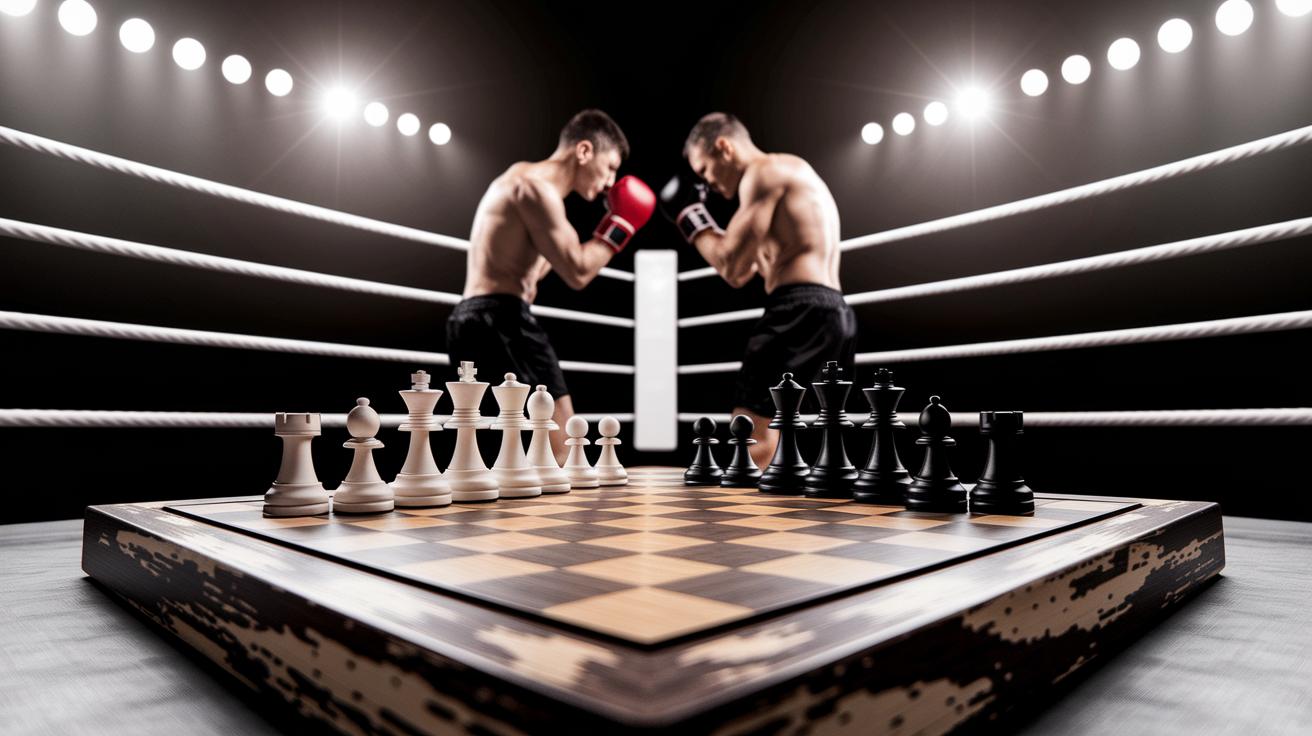
These odd sports pack a punch by mixing brainpower with physical might. Imagine a game where one minute you're deep in strategy, and the next you're in a full-on physical showdown. Every match brings its own twist, with challenges that make you cheer and gasp all at once.
Take Chess Boxing, for example. Rounds of intense chess battles switch with rounds of boxing, keeping competitors on their toes. And then there's Cycle Ball, where players pedal hard to control the ball, with only the goalie allowed to use their hands. It’s like watching a perfectly choreographed dance that suddenly turns into a wild sprint.
Every event here has a special rule that makes it stand out from the rest, turning each game into a fresh and thrilling challenge for fans and players alike.
| Sport | Key Rule/Feature |
|---|---|
| Chess Boxing | Alternates 4-minute rounds of chess with 3-minute boxing rounds |
| Cycle Ball | Players use bicycles to maneuver a ball; only the goalie may use hands |
| Wife Carrying | Partner race; carry teammate to the finish line without falling |
| Quidditch | Team sport inspired by fiction; score before the opposing team captures the “snitch” |
| Cheese Rolling | Chase a 9-pound cheese down a steep hill; first to reach the bottom wins |
| Shin Kicking | Kick opponent’s lower legs until points are scored or one falls |
| Bossaball | Volleyball hybrid on an inflatable court; players use feet instead of hands |
| Underwater Hockey | Teams use short sticks and a puck on the bottom of the pool |
| Ice Swimming | Swimmers compete in water below 5 °C; governed by the International Ice Swimming Association |
| Extreme Ironing | Iron clothes in extreme locations like underwater or mountaintops |
Historical Evolution of Nontraditional Sports
Long before the digital age, quirky sports grew from simple rituals and survival tricks that folks used to test their limits. Take Tchoukball, for example. Back in 1968, Dr. Hermann Brandt introduced it to the world. Instead of rough tackles, this game focused on bouncing a ball off a rebound board to score, talk about a creative twist!
Then, in 1986, Mario Demers brought us Kin-Ball. Imagine one giant ball being passed among three teams all at once, it’s like a three-way dance where teamwork and quick thinking steal the spotlight.
Dog Sledding, on the other hand, isn’t just a sport; it’s a centuries-old tradition in harsh, cold climates, shining in events like the Iditarod Sled Race. And if you’ve ever seen sumo wrestling, you know it’s steeped in history. This sport started over 1,500 years ago with Japanese Shinto rituals and still carries that ancient spirit into every bout.
More recently, ice swimming has burst onto the scene as a true test of endurance, with organizations like the International Ice Swimming Association hosting global meets that send chills down your spine.
These sports aren’t just about the game, they’re a testament to our creativity and resilience. They show us that even the wildest ideas can transform the way we compete and express ourselves. For an archival analysis of sports trends, check out how these game-changing formats continue to redefine athletic history. Every day, new innovations are born on the field.
Cultural Impact of Nontraditional Sports Worldwide
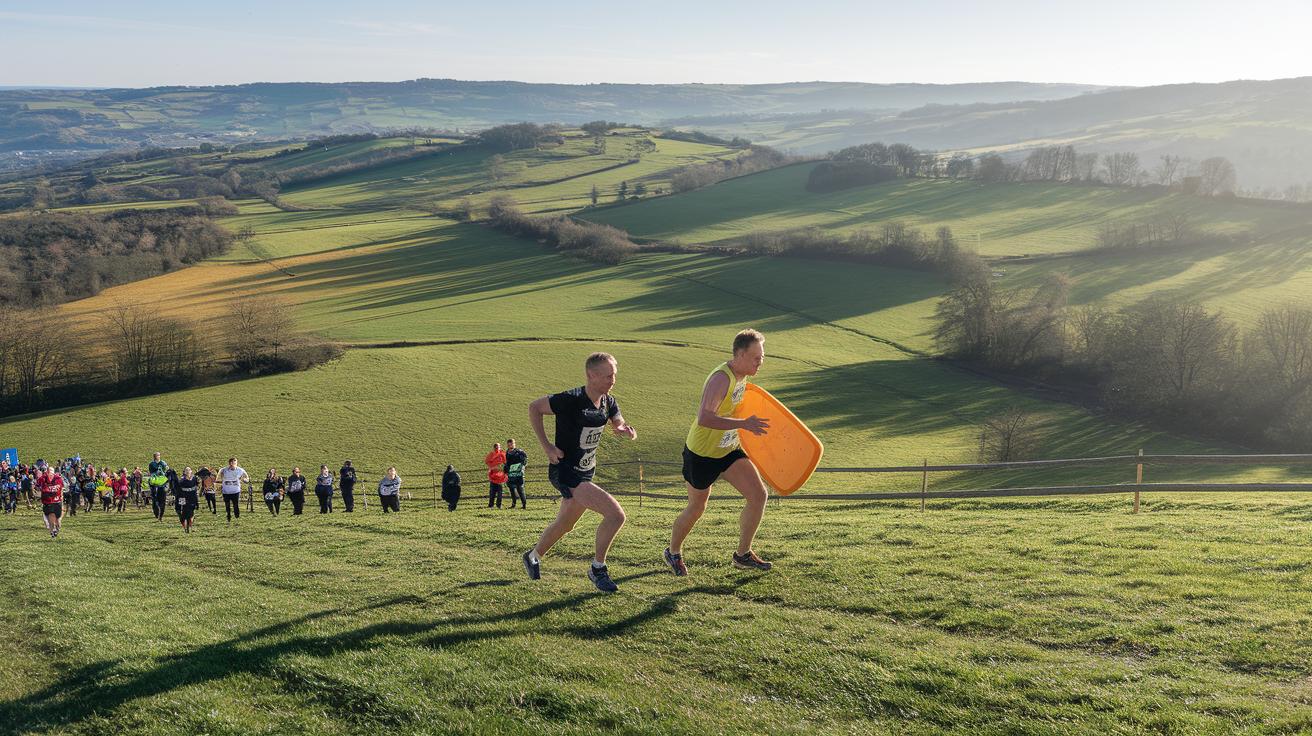
Nontraditional sports pack a punch with local charm. In Gloucestershire, for instance, locals race downhill after a 9-pound round of cheese. Picture a sunny day where laughter and tumbles mix with a mad dash toward dairy glory. It’s quirky, fun, and totally unforgettable.
Across the globe, university teams have jumped on the Quidditch bandwagon. Inspired by a famous book series, this game brings students together, breaking down barriers and sparking awesome teamwork. It really feels like magic on the field.
Down by the coast, dog boarding events are making waves. Imagine furry friends riding surfboards or skimboards, adding a lighthearted twist that mirrors local beach vibes. It’s as if the pets have become the stars of their own playful show.
Over in Spain and Brazil, Bossaball is lighting up the scene. This sport mixes volleyball with agile moves from capoeira [a Brazilian martial art dance] and gymnastics. It’s a dynamic, artful display that gets every fan cheering for every twist and jump.
In schools, Speedball is quickly becoming a favorite. Kids dive into the game with energy, boosting their confidence and learning the value of teamwork on the playground. It’s a burst of unconventional fun that’s hard to beat.
Then there’s Japan, where historic Sumo tournaments carry deep cultural roots. These matches blend age-old tradition with fierce passion, captivating audiences with every powerful bout. And let’s not forget Ice Swimming at Arctic festivals, chilly dips that spark both shivers and cheers, showcasing the resilient spirit of local communities.
Organizing and Participating in Nontraditional Sports Experiences
Imagine setting the stage for a sports event where every detail counts and every athlete feels safe and pumped. When planning a nontraditional event, you start by putting together clear rulebooks and having a first-aid crew ready to jump in. Take Chess Boxing for example, competitors need smart coaching along with the right boxing gear to keep them safe. Fun fact: before a match, players always gear up with headgear tested for serious impact.
When it comes to Ice Swimming, athletes stick to strict cold-water rules set by the International Ice Swimming Association so that they’re physically ready for the chilly splash. Freedivers also train hard on holding their breath while using fins that fit perfectly. And then there are sports like Tchoukball and Kin-Ball where no one is allowed to bump into each other, making the game fun and welcoming for everyone.
Event planners can make things easier by choosing gear that fits all kinds of needs, like different ball sizes for Kin-Ball, and practicing event protocols with every athlete. Scheduling extra training sessions helps everyone adjust to the unique challenges of their sport.
- Secure clear rulebooks and have first-aid support on hand
- Make sure athletes have the right protective gear for their sport
- Organize training sessions and run-throughs for smooth gameplay
These steps work together to keep the atmosphere fun, safe, and inclusive, just like the best sports events you’ve ever seen.
Future Trends in Nontraditional Sports and Emerging Innovations
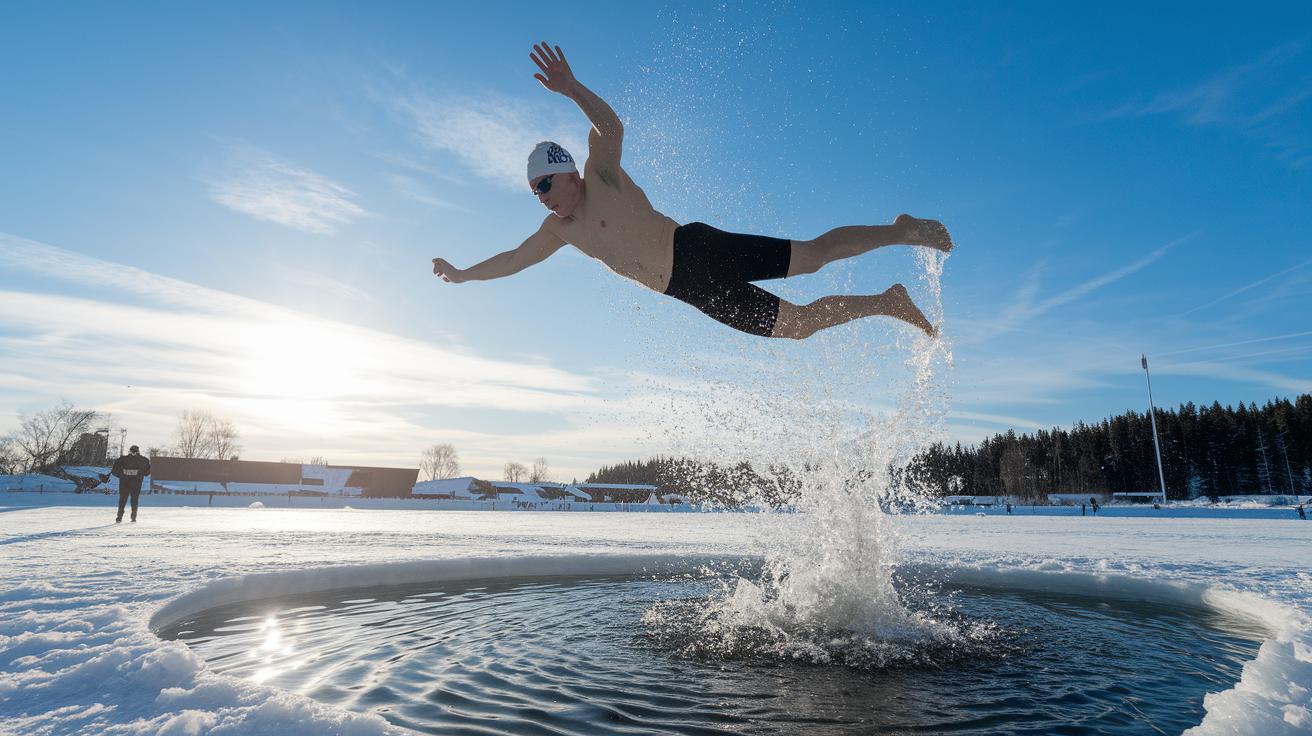
Ice swimming is set to steal the spotlight at big winter sports festivals. Imagine athletes plunging into freezing water as a core part of a winter celebration, it’s a fresh twist that could totally change seasonal sports.
Freediving is breaking new ground. Divers are boldly pushing the limits of how deep and long they can dive. With cool improvements in underwater gear (equipment that helps them dive safely and perform better), record-breaking feats are on the horizon.
Watercross is growing beyond its unique mix of snowmobiles on water. Now, it’s building into a full series that attracts thrill-seekers everywhere. Organizers are boosting safety and introducing high-energy race formats that catch fans live and online, making every event a must-see experience.
Speed stacking competitions have upped their game with electronic timing and live streaming, turning every split-second decision into a thrill. Meanwhile, underwater hockey is finding its way into aquatic sports expos, sitting proudly alongside more popular events. These changes aren’t just small tweaks, they’re bold moves that invite athletes and fans to dive into a whole new level of excitement.
Final Words
In the action, we explored nontraditional sports that defy the usual rules and light up the field in unexpected ways. We took a quick look at how these offbeat games, from Chess Boxing to Kin-Ball, offer a dash of surprise and a burst of energy.
We also traced how history sets the stage for these unique events and peeked into what the future might hold. It all leaves us excited for each new twist in nontraditional sports, fueling our passion for the game.
FAQ
Q: What are non traditional sports in physical education and what does a PE sports list include?
A: The non traditional sports in physical education refer to unique, offbeat games like Tchoukball or Kin-Ball that break standard rules, offering fun and inclusive activities beyond regular team competitions.
Q: What are non traditional team sports examples and unusual sports?
A: The non traditional team sports examples include innovative games like Chess Boxing, Quidditch, and Bossaball that mix physical and mental skills, delivering a fresh twist on typical team play.
Q: What are examples of non traditional activities and non-contact sports?
A: The non traditional activities cover events such as extreme ironing and cycle ball, while non-contact sports list often features games that emphasize strategy and skill over physical clashes.
Q: What is a nontraditional or uncommon sport?
A: The term nontraditional or uncommon sport describes contests with unique rules or formats, such as cheese rolling and shin kicking, offering a break from the typical sporting experience.
Q: Why do 70% of kids quit sports?
A: The question about why many kids quit sports points to issues like lack of engagement or overly competitive settings; creating more inclusive, enjoyable environments may encourage continued participation.