
Ever wonder if one bold pick can flip a team’s fate? The player draft makes that happen as coaches and fans watch new talent take center stage.
Imagine building your dream team, where every pick brings a chance for that game-winning play. From local leagues to top pro levels, the draft gives every team an opportunity to add fresh energy and skill on the field.
In this post, we break down how these smart selections fire up the excitement of a winning season.
Player Draft Fundamentals: Overview of the Process
Picture draft day as the big kickoff where teams get a chance to grab fresh, hot talent. Every team steps up one by one, selecting players in a set order based on past performances or standings. It’s like building your dream fantasy team, where every pick can turn the game around and light up the fans.
This process levels the field, giving every team a fair shot at new energy and skills. And it’s not just for the big pros, local leagues, youth tournaments, and even fantasy sports use this playbook to create a dynamic season. Ever feel that rush when your team gets the perfect pick?
Below is a quick rundown of how different leagues approach the draft:
| League Type | Draft Strategy |
|---|---|
| NFL | Uses performance data and season records to guide selections |
| NBA | Often turns things around with reversed standings from the previous season |
| MLB | Picks from players in high school and college, mixing in fresh and experienced talent |
| Fantasy Leagues | Employ custom digital tools to manage picks and add a personal touch |
Digital tools have totally transformed the draft process. Now, platforms let organizers load player lists from spreadsheets, include photos, and even pre-assign players before the draft tip-off. This tech keeps things running smoothly no matter if you’re in a major league or just setting up a local competition. For example, leagues like AYSO Region 18 handle over 2,100 players, while Lee’s Summit Jr. Basketball drafts from a pool of 1,400 athletes. And with remote participation via your phone or TV, the draft remains flexible, engaging, and super efficient.
Draft Selection Criteria and Eligibility Requirements
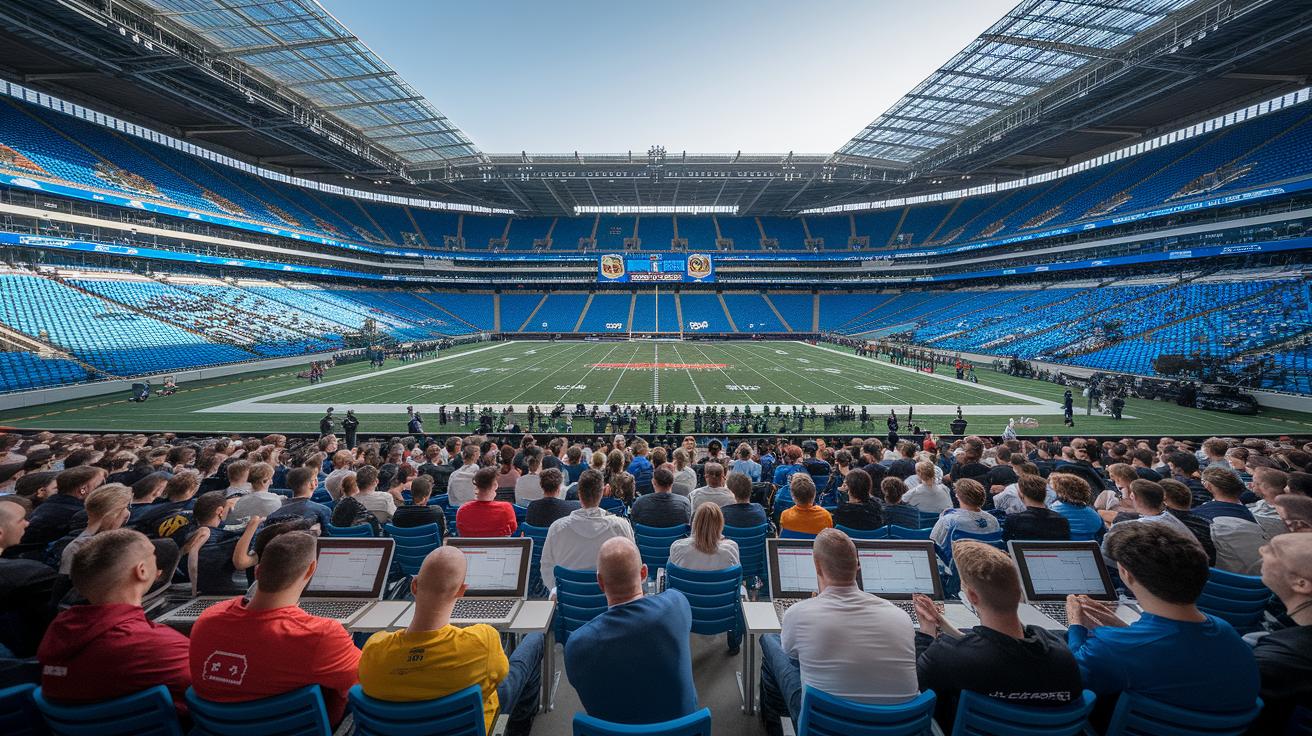
Draft selection is all about following strict league rules that keep the competition fair and exciting. For example, if you're aiming for the NBA, you need to be at least 19 years old and one year out of high school. This gives players some time to grow before stepping into the big leagues. In the NFL, players can only declare when they qualify for college, ensuring a consistent level of experience. MLB, on the other hand, welcomes talent from both high school and college, while international players have to meet special signing windows.
Key factors in the draft include:
- Application windows: Firm deadlines that tell players when to declare their interest.
- Declaration process: The formal steps an athlete follows before being considered eligible.
- Order criteria: Whether teams pick players through a lottery system or based on past performance.
- International signing rules: Specific conditions and timing for non-domestic players.
These rules not only make the game fair, they also help teams plan their strategies. Teams can figure out when new players are coming in and market them in a way that balances fresh talent with seasoned experience. It’s like setting up your favorite game plan, knowing the rules helps you play smarter and build a stronger team.
Round Analysis Techniques in Professional Player Drafts
Draft rounds mix strategy with talent like a high-stakes play on the field. Managers fire up advanced tools, think weighted visualization systems that break down a player's skills in real time, just like watching a live stat board at a big game. Ever felt that rush when a perfect pick turns the tide? Each selection carries both promise and pressure, as crucial as a game-winning play.
Big boards line up players by what the team needs and their overall potential, giving a clear picture of the talent available. Evaluating college prospects with raw performance stats is like turning numbers into a winning playbook. And mock drafts? They're practice rounds where managers try different strategies without the real-life pressure, just like trying on jerseys until the perfect one fits.
Then there’s the financial game. Contract and value projections add a whole new layer to draft strategy. Teams crunch numbers to see how each pick fits into long-term goals while keeping the roster balanced. Step by step, through careful analysis and simulated scenarios, managers build a roster that mixes top talent with cost efficiency, setting the stage for a season of big wins.
| Pick | Player | Position | Team | ETA | Bonus/Contract |
|---|---|---|---|---|---|
| 1 | Tatsuya Imai | RHP | HOU | 2026 | $54M/3 yrs |
| 2 | Kade Anderson | LHP | SEA | 2026 | $8.8M |
| 9 | Andrew Fischer | 1B/3B | MIL | 2027 | $3.5M |
| 20 | Gage Wood | RHP | PHI | 2027 | $3M |
| 33 | Devin Taylor | LF | ATH | 2027 | $2.5M |
Talent Scouting Tips and Performance Metrics for Draft Evaluation

Analysts mix college stats, combine numbers, and past game reviews to size up talent. They lean on simple figures like batting averages, scoring rates, and sprint times to tell what a player can do. For example, one top prospect even matched the sprint speed of seasoned players. That kind of raw number really sets the stage for a deeper look.
Scouts also get hands-on by watching players during live games. They pay close attention to body movement, quick decision-making when the pressure is on, and overall calm on the field. It’s like watching a thrilling play where every shift of the body hints at skills that stats just can’t show.
Then there’s the Comp Cloud, which turns plain numbers into clear, visual profiles. It charts out things like speed, jump power, and agility side by side, making it easy to see a player’s strengths in one glance.
And let’s not forget fantasy baseball tools. They offer MLB rankings and lineup tips that help teams gauge how valuable a player might be for the long haul. This mix of digital number-crunching and live game watching helps teams decide smartly when it comes to drafting top talent.
Mock Draft Simulations and Prediction Models
Mock drafts are like practice sessions where teams try out plays before the real draft. Front offices break out big boards and compare player stats, simulating scenarios just like rehearsing a game-winning move before the final buzzer.
Behind the scenes, algorithmic models crunch old draft numbers to figure out pick chances, kind of like checking past play success rates to decide your next move. Tools such as the weighted Comp Cloud take these stats and turn them into clear, visual tips that help call the best strategies.
Then there’s predictive analytics. Think of it as running a simulation in your favorite video game to see which move scores the most. They use detailed data from previous seasons to test out potential trade ideas and play scenarios.
By using these mock simulations and number-crunching models, teams gear up to make sharper picks when draft day comes. It’s all about trying out different plays in a practice zone so that every pick is backed by real data and smart planning.
Utilizing Digital Draft Platforms for Team Formation
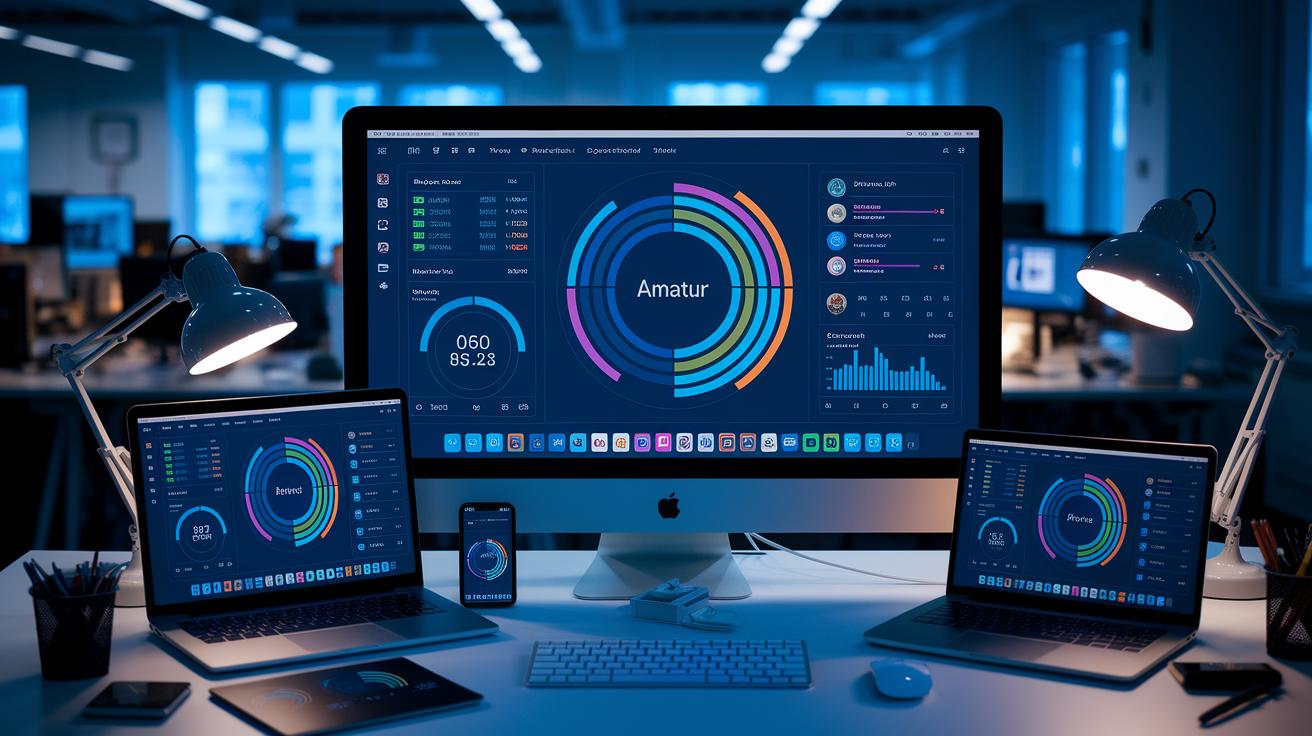
Digital draft platforms have grown so much beyond just tracking players. They now sport sleek designs with smooth drag-and-drop features and easy-to-read dashboards that update live. Organizers can catch real-time pick trends and draft stats while still checking out player photos and lists.
These systems also boost security with multi-factor authentication and solid data encryption. Coaches can jump into a draft from any device, whether they're updating on a tablet or watching live stats on a TV, knowing their session is safe.
New platform features include:
- Advanced analytics that track every move in real time
- An intuitive, modern interface that makes navigation a breeze
- Secure access for remote participation with improved login methods
- Custom notifications that keep organizers on top of key draft events
Teams like AYSO Region 18 and Lee’s Summit Jr Basketball are already leveraging these cool upgrades, adding extra depth and security to a drafting process that fans already enjoy.
Historical Trends and Case Studies in Player Draft Outcomes
Recent drafts have shown a big shift in how teams pick players and balance risk with reward. Just look at the 2025 NBA Draft; the spotlight was on players who can do it all and those rare athletes who bring something extra. Cooper Flagg, who became the youngest top-10 pick in over ten years, is a clear sign that scouts are now looking beyond simple numbers. Experts say that these new draft classes are changing team strategies, with teams paying more attention to a player's overall skills rather than just the raw stats. In fantasy baseball, for instance, early picks like Tatsuya Imai, who landed a $54M deal, are now closely linked to long-term success in dynasty leagues. Analysts even find that where a player is picked often matches up with key career milestones, like career WAR (Wins Above Replacement, a stat that shows a player's overall impact) and All-Star honors, proving just how important those early picks can be.
Looking back at past drafts, history shows that top-round picks usually offer greater long-term value compared to mid-round selections, even though every draft comes with its own risks. Teams that build their rosters around these successful trends can enjoy rewards from both standout individual plays and strong team performance. When experts compare what they expected from a player versus what actually happens, they learn valuable lessons in pick-value and long-term planning. By studying these trends, managers can fine-tune their draft strategies to strike a better balance between immediate needs and future potential, making every pick count in building a competitive and resilient team.
Future Innovations and Data-Driven Analytics in Player Drafts

New AI scouting tech is shaking up the draft game. It scores potential players in real time and even predicts the pick order using smart computer learning. Managers get a live dashboard that shows every athlete's promise on the spot. Check this out: One manager once switched a key pick within seconds after the AI dashboard bumped up a player's score, completely changing the draft vibe.
Next, imagine platforms that update the big board instantly as new info rolls in. Teams get fresh, data-backed insights into a player’s progress, almost like watching the action live. These systems crunch past game stats and current performance to forecast risks and growth, making the draft process quicker and spot on.
Picture a coach changing his strategy the moment his digital board flags an unexpected spike in a player's numbers. Innovations like these help teams make smarter, real-time calls that lower risks and boost pick success. In a race where every second counts, these tools empower teams to build stronger, future-ready rosters with confidence and clear insight.
Final Words
In the action, we broke down the player draft process from fundamental mechanics to dynamic round analysis. The blog explored how teams choose athletes, set eligibility, run mock simulations, and use digital platforms for live selections. We highlighted scouting tips, performance metrics, and the impact of AI-driven tools in shaping draft futures.
Every part brings you right into the heart of draft excitement, fueling your passion for sports and sparking fresh, winning ideas. Keep riding the thrill of every pick!
FAQ
What is the meaning of player draft?
The player draft means teams select eligible athletes in a preset order based on past performance and needs. This organized event shapes team rosters and overall league balance.
What does the NFL player draft entail?
The NFL player draft means teams scout and choose football players based on eligibility and performance. It plays a vital role in team building by aligning strategy with talent gaps.
What are player draft results and picks?
Player draft results mean the final selections made by team managers, with picks referring to the athletes chosen. These outcomes influence team composition and future game plans.
How many players are in the NFL draft?
The NFL draft includes hundreds of eligible players each year, with teams closely evaluating each candidate to build a competitive squad.
What makes NFL Draft Round 2 significant?
NFL Draft Round 2 means teams often secure important players who can become key contributors. It continues the strategic process of balancing talent with team needs.
Who has the No. 1 pick in the NFL draft?
The No. 1 pick typically goes to the team with the poorest record from the prior season, though trades may change which franchise gets this coveted selection.
Why didn’t Shedeur Sanders get drafted in the first round?
Shedeur Sanders not being a first-round pick reflects a mix of team strategies, comparative evaluations, and market dynamics rather than solely his performance metrics.
What time is round 3 of the NFL draft?
Round 3 of the NFL draft means the session usually begins a few hours after earlier rounds. Exact start times vary by year and the league’s event schedule.
What insights can be drawn from past NFL drafts like 2015, 2017, 2018, 2021, and 2022?
These historical NFL drafts mean shifts in team strategies and player evaluations, showing trends in talent depth and evolving priorities across multiple seasons.
What is notable about the upcoming NFL draft order for 2026 and the draft in 2025?
The draft orders for 2026 and 2025 mean teams plan ahead by assessing previous records and potential talent swings, which help them position for future seasons effectively.