
Upsets are the heartbeat of boxing — nights when expectation and reputation are overturned and careers are rewritten. From underdogs who rose out of nowhere to tactical geniuses who out-thought heavy favorites, the sport has produced moments that remain in the public imagination for decades. This collection spotlights 15 of those seismic results, spanning eras, weight classes and styles. Each entry explains the context, the pivotal moments and why the outcome mattered beyond a headline. Read on for memorable shocks from Buster Douglas and Muhammad Ali to modern surprises like Andy Ruiz Jr. and George Kambosos Jr.
Why Upsets Still Make Boxing Unmissable
Section: A quick primer on what makes an upset in boxing so compelling: unpredictability, personal drama and the possibility that one night can change everything. Upsets steal headlines not only because a favorite lost, but because they reshape divisions, shift legacies and produce cultural moments. Whether it’s a technical masterclass, a last-round knockout or a controversial decision, these fights tell us more about sport and human resilience than any routine title defense. Below are 15 of the most unforgettable reversals , each with context, the turning moments and the long-term ripple effects.
Buster Douglas KO10 Mike Tyson , February 11, 1990
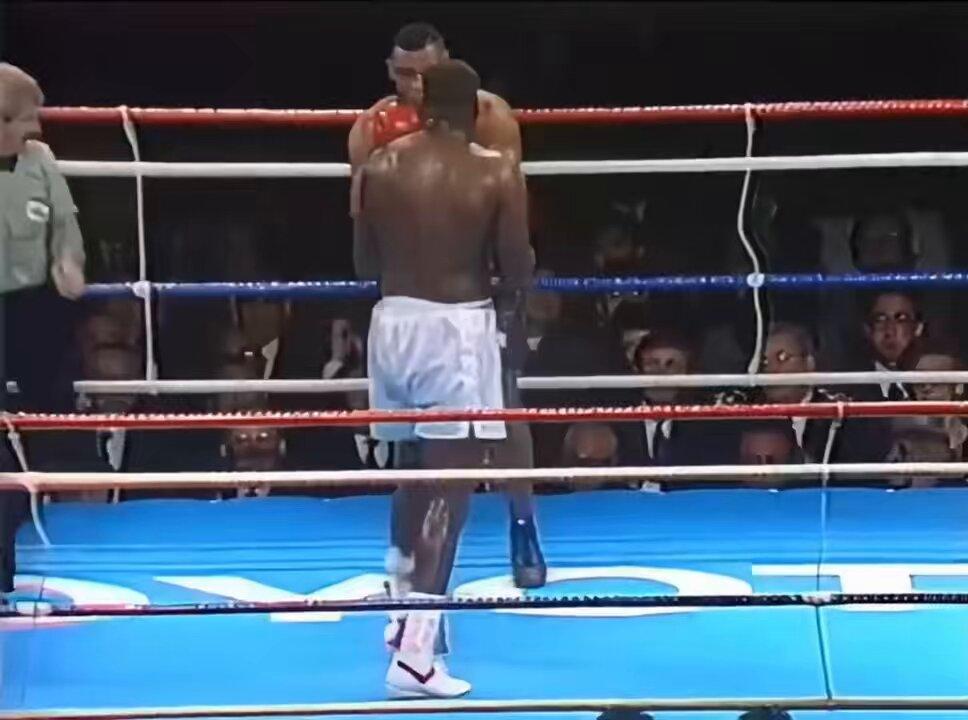
Few results jolted boxing like Buster Douglas knocking out Mike Tyson in the 10th round in Tokyo. Tyson arrived as the undisputed, intimidating champion; Douglas, emotionally taxed and treated as a heavy underdog, produced an improbable performance. The 10th-round knockout didn’t just produce a new champion , it punctured the aura of invincibility that Tyson had built. For Douglas it was a career-defining night; for the division it signaled vulnerability at the top. The upset remains a textbook example of how heart, timing and a single big punch can upend the sport’s pecking order.
Andy Ruiz Jr. TKO7 Anthony Joshua , June 1, 2019
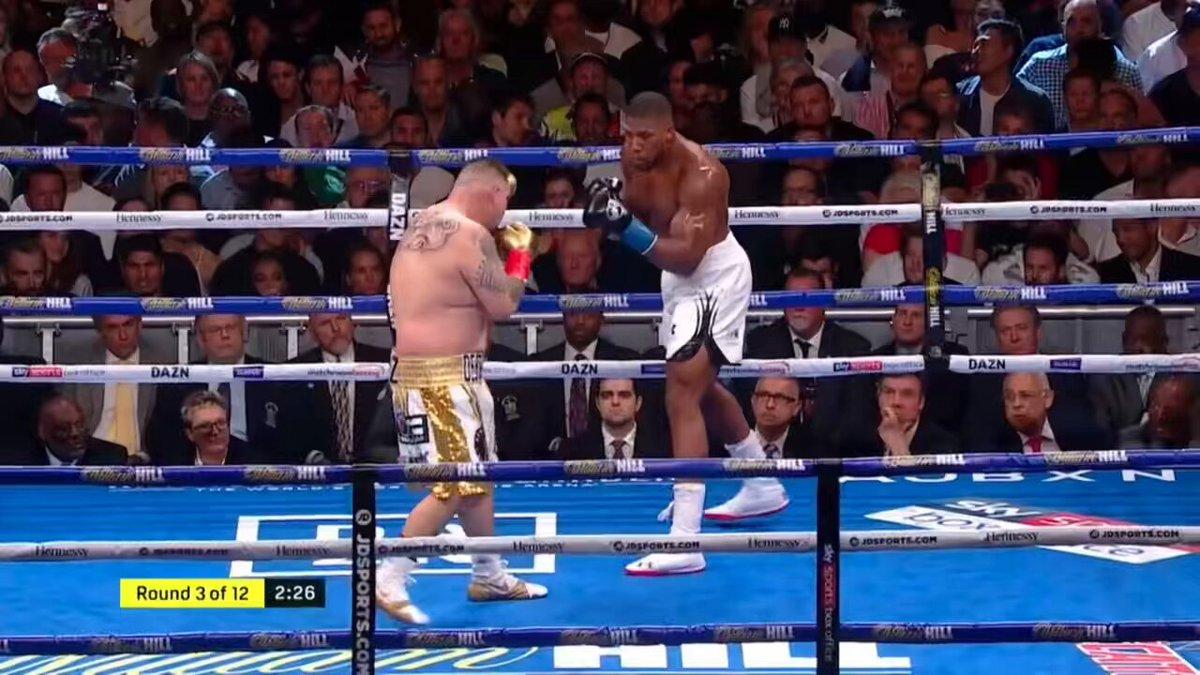
Andy Ruiz Jr.’s stoppage of Anthony Joshua at Madison Square Garden was a contemporary shocker: a hungry, scrappy challenger clipped a global superstar and claimed the unified heavyweight titles. Joshua arrived as the polished, marketable champion; Ruiz came in underestimated, loose and dangerous. Ruiz stunned critics and fans by pressuring early, landing clean shots and forcing the fight to a seventh-round stoppage. The result exposed boxing’s fragile narrative of inevitability and set up an immediate, high-profile rematch. More than a headline, Ruiz’s win was a reminder that styles, heart and momentum can reverse expectations in a single night.
James J. Braddock UD15 Max Baer , June 13, 1935
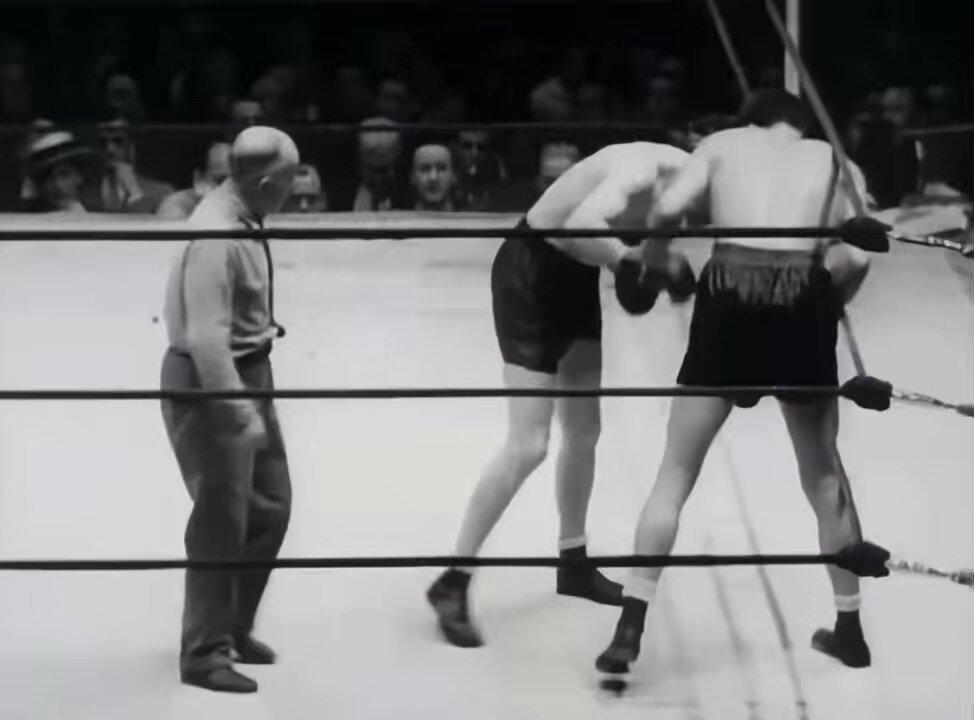
James J. Braddock’s upset of Max Baer is the archetypal boxing comeback story. A man who had endured injuries, layoffs and financial hardship during the Depression, Braddock regained his footing and outboxed a powerful champion across 15 rounds. The victory transformed him from a journeyman into a folk hero , the so-called "Cinderella Man" , and carried symbolic weight for a country wrestling with hard times. Technically shrewd and defensively disciplined, Braddock’s game plan neutralized Baer’s brute strength. His title win proved that perseverance and smart strategy can topple raw power and that boxing narratives often mirror real-world resilience.
Muhammad Ali KO8 George Foreman , October 30, 1974
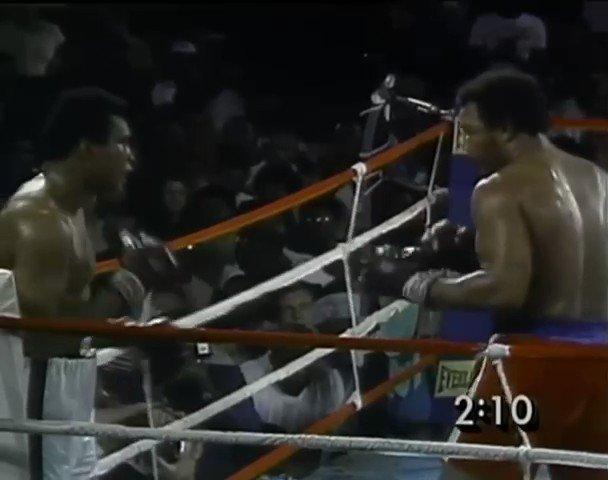
Muhammad Ali’s knockout of George Foreman in the 'Rumble in the Jungle' remains among the sport’s greatest strategic masterpieces. Foreman entered as the dominant, crushing puncher; Ali countered with intelligence and endurance, famously employing the rope‑a‑dope to let Foreman exhaust himself. In the eighth round Ali seized the moment, landed telling blows and scored a memorable stoppage to reclaim the undisputed heavyweight crown. It was not just a physical upset but a tactical triumph: Ali’s ring IQ and psychological confidence rewrote expectations and delivered one of boxing’s most cinematic comebacks.
Evander Holyfield TKO11 Mike Tyson , November 9, 1996
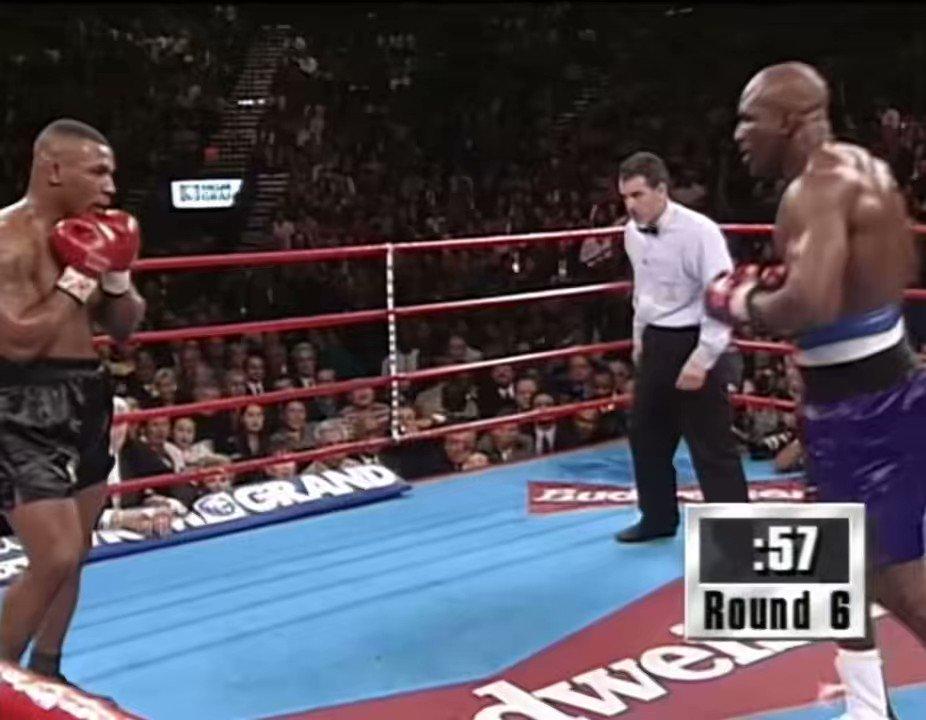
Evander Holyfield’s victory over Mike Tyson was a dramatic upset that publicly altered Tyson’s invincible image. Holyfield arrived with a composed, technically sound approach and persistent pressure; Tyson tried to impose power and intimidation. Over the course of the fight Holyfield’s resilience and ring savvy paid off, culminating in an 11th-round stoppage and the WBA heavyweight crown. The result reshaped narratives about both men: Holyfield as a fearless tactician and challenger, Tyson as a mortal force whose aura could be punctured. The bout also led to a notorious rematch that remains part of boxing lore.
Lloyd Honeyghan RTD6 Donald Curry , September 27, 1986
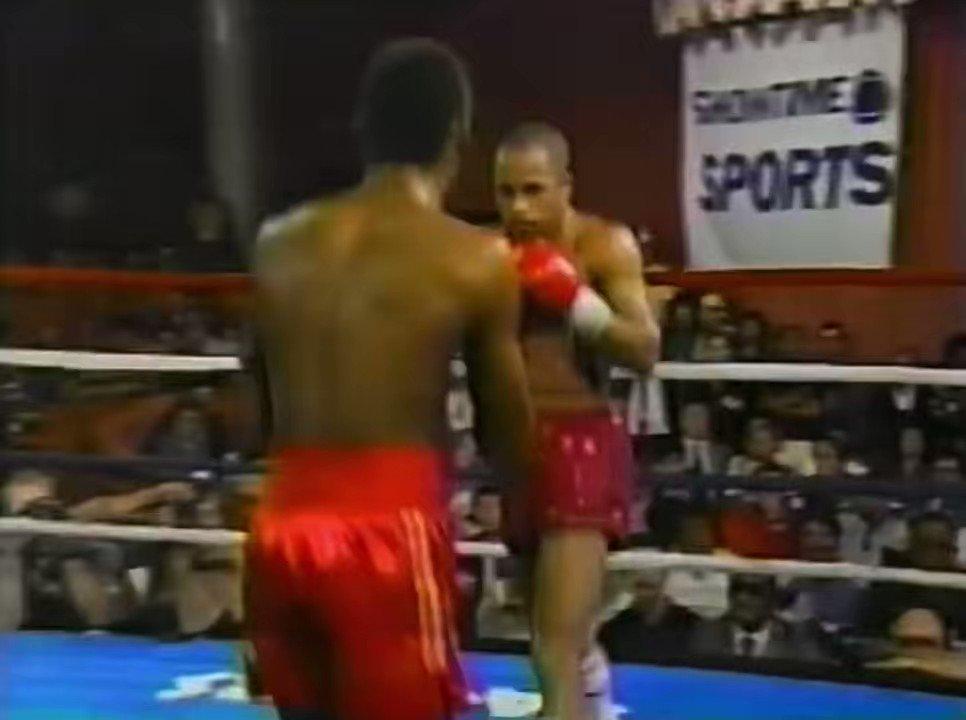
Lloyd Honeyghan’s stoppage of Donald Curry is a standout upset that rattled the welterweight ranks. Curry had been a well-regarded, technically sound champion; Honeyghan, a tough and aggressive challenger, pressed a high tempo and disrupted Curry’s rhythm. By the sixth round Curry’s corner opted to retire him, handing Honeyghan the undisputed welterweight crown. The result underlined how relentless pressure and tactical discipline can dismantle even highly skilled opponents. For British boxing it was a defining moment and for fans a reminder that champions can be undone by style matchups and unrelenting confidence.
Randy Turpin PTS15 Sugar Ray Robinson , July 10, 1951
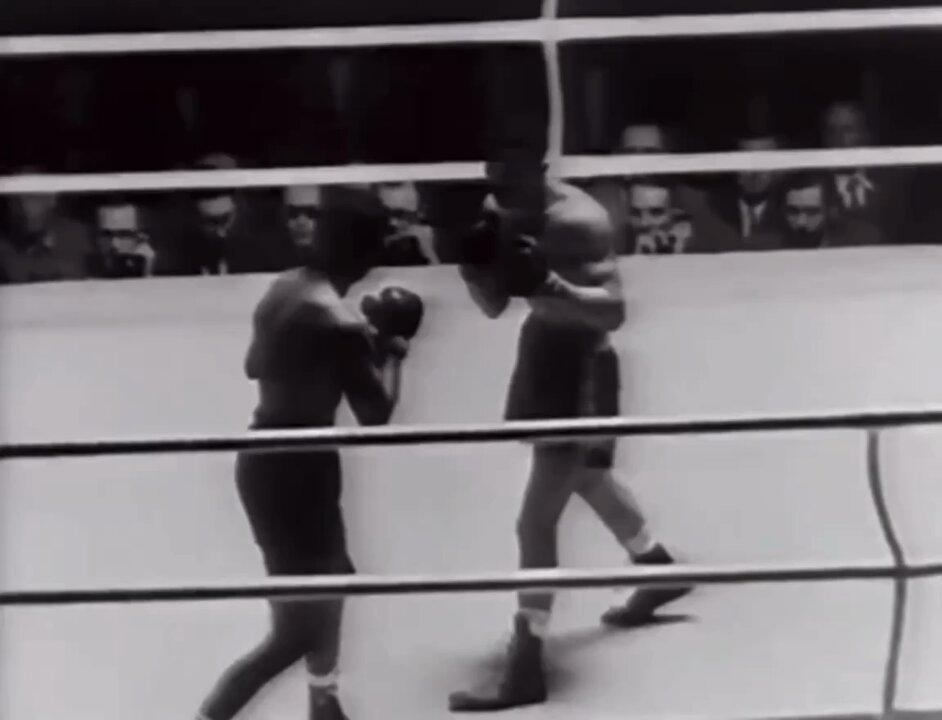
Randy Turpin’s 1951 decision over Sugar Ray Robinson shocked the boxing world. Robinson, widely acknowledged as one of the greatest fighters ever, was the heavy favorite; Turpin, not as heralded, executed a disciplined, aggressive game plan over 15 rounds and walked away with the world middleweight title on points. The decision undermined the idea of Robinson’s invulnerability and spotlighted Turpin’s own toughness and tactical clarity. Although Robinson regained the crown in a rematch, Turpin’s victory stands as an enduring upset , proof that timing, determination and a well-executed strategy can topple an all-time great.
Kirkland Laing SD10 Roberto Durán , September 4, 1982
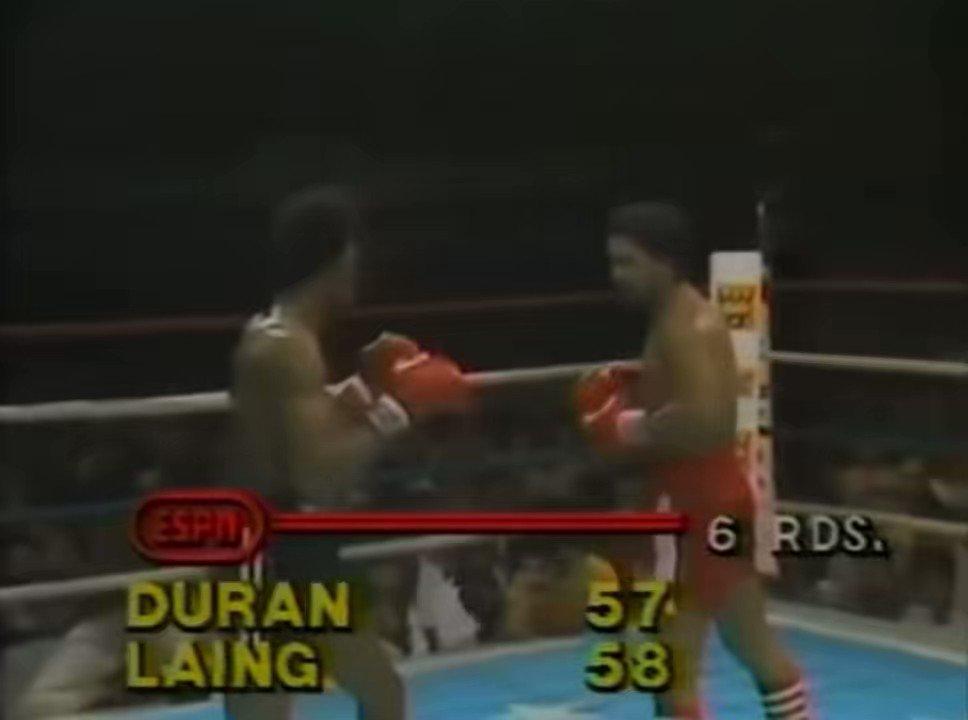
Kirkland Laing’s split decision over Roberto Durán is a celebrated upset that flew under mainstream radar but thrilled fight fans. Durán, renowned for his ferocity and championship pedigree, was expected to dominate; Laing’s peculiar movement, sharp jab and opportunistic counters frustrated the legend across ten rounds. Judges handed Laing a narrow split verdict , an outcome that showcased boxing’s unpredictable nature. The result didn’t have the title implications of some other shocks, but it represented the satisfying moment when an unconventional underdog forces a top-tier name into a tough night and leaves with the win.
Carlos Baldomir UD12 Zab Judah , January 7, 2006
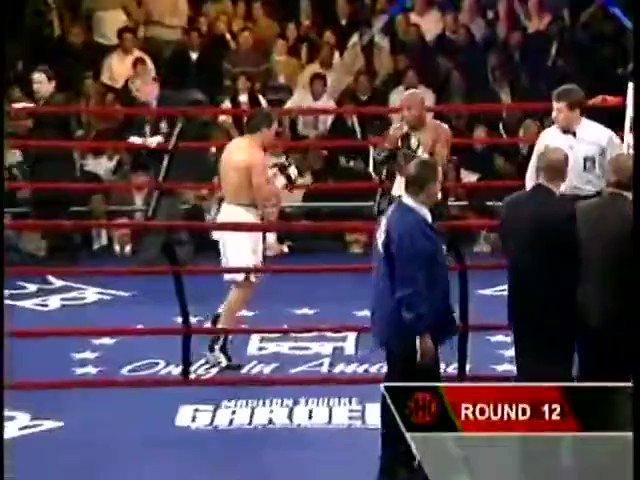
Carlos Baldomir’s unanimous decision over Zab Judah is a textbook upset based on attrition and discipline. Judah, fast and flashy, entered as a dangerous champion; Baldomir, a steady, workmanlike challenger, refused to be dazzled and targeted the body while maintaining pressure across 12 rounds. Judges rewarded Baldomir’s consistent output with the WBC welterweight title, surprising many who favored Judah’s speed and flair. The fight highlighted how ring generalship and durability can neutralize athleticism , a pattern that resurfaces anytime a pragmatic stylistic puzzle upsets a more celebrated, explosive opponent.
George Kambosos Jr. SD12 Teofimo Lopez , November 27, 2021

George Kambosos Jr.’s split‑decision win over Teofimo Lopez was a modern upset of consequence. Lopez walked in as the newly crowned unified lightweight champion and a rising star; Kambosos, an Australian underdog, executed disciplined pressure, strong body work and controlled the inside at key moments. The split decision handed Kambosos the titles and flipped the narrative in the lightweight division. Winning on Lopez’s terms and securing a narrow verdict showed how preparation, tactical focus and home‑ring belief can tip tight fights into career‑making results. The upset reshaped plans across the weight class.
Leon Spinks UD15 Muhammad Ali , February 15, 1978
Leon Spinks’ victory over Muhammad Ali remains one of boxing’s most jarring results. Spinks, relatively inexperienced as a pro, challenged the legendary Ali and over 15 rounds managed to earn a split decision that gave him the undisputed heavyweight crown. The result stunned the public because of Spinks’ youth and Ali’s immense stature in the sport. Controversy and debate followed, amplified by a rematch later that year where Ali reclaimed the titles. Still, Spinks’ brief reign is a classic underdog chapter: a novice performer seizing the moment and rewriting expectations on boxing’s biggest stage.
Michael Spinks UD15 Larry Holmes , September 21, 1985
Michael Spinks’ decision against Larry Holmes was a strategic, high-stakes upset. Holmes, a long-standing and technically excellent champion, was the assumed favorite; Spinks used range, timing and movement to blunt Holmes’ strengths over 15 rounds, walking away with the IBF heavyweight crown. The result disproved assumptions about Spinks’ ceiling and dented Holmes’ aura of invincibility. Beyond the headline, the fight illustrated the potency of style advantage and preparation , Spinks exploited angles and patience to outpoint a seasoned champion, producing an upset that changed the heavyweight conversation for a time.
Tyson Fury UD12 Wladimir Klitschko , November 28, 2015
Tyson Fury’s unanimous decision over Wladimir Klitschko signaled the end of an era and the start of another. Klitschko had dominated the division for years, a composed technical champion many expected to continue his run; Fury’s size, awkward movement and psychological composure disrupted the champion’s rhythm. Over 12 rounds Fury’s approach earned him the unified heavyweight titles and delivered a shock to pundits who’d doubted his credentials. The result opened a volatile new chapter at heavyweight and became a defining upset of the 2010s, showing how an unconventional style can topple a long-reigning monarch.
Frankie Randall SD12 Julio César Chávez , January 29, 1994
Frankie Randall’s split decision win over Julio César Chávez was a major upset with big ramifications. Chávez had been near‑untouchable in the domestic scene, an embodiment of consistent dominance; Randall came with a high-output, tactical game and body work that blunted Chávez across 12 tight rounds. Judges awarded Randall a narrow split verdict, handing Chávez his first professional loss and sparking debate about styles, judging and the fragility of perceived invincibility. It was a 1990s moment that reminded fans that no champion is immune , the right gameplan on the night can change boxing history.
Muhammad Ali RTD6 Sonny Liston , February 25, 1964
Cassius Clay’s upset of Sonny Liston to win the heavyweight title is among boxing’s foundational shocks. Liston, a menacing champion and heavy betting favorite, met the brash young challenger who fought with speed, angles and unorthodox timing. After six rounds Liston’s corner indicated he could not continue, and Clay was crowned champion , an outcome that changed the sport’s landscape and introduced a brash new figure who would become Muhammad Ali. Beyond the ring, the result had cultural resonance, marking an early chapter in what became one of boxing’s most storied careers.