
Ever wondered why watching a game feels like front row at a rock concert? Sports broadcasting is getting a serious upgrade, with nifty tech that turns every pass and goal into a heart-racing moment. Real-time stats pop up like the crisp sound of a buzzer, and the camera work is so slick it’s like having a VIP seat to every play.
Expert commentary mixes with on-field insights to transform raw game clips into pure, electrifying action. It’s like each moment is crafted to make you feel every cheer, every gasp, and every twist. Trust me, this new spin on sports broadcasts is one experience you won’t want to miss.
Essential Elements of Sports Broadcasting
Imagine the electrifying thrill of live sports action coming straight to you via TV, radio, or digital channels. Sports broadcasting brings you every pass, goal, or home run with real-time updates, expert commentary, and a peek behind the scenes to keep you on the edge of your seat.
Broadcasters are like a well-oiled team working together. You've got the play-by-play announcer who shouts out game updates as they happen, and the color commentator who breaks down strategies so you can really get what’s going on. Then there’s the sideline reporter delivering the freshest news right from the field. Producers keep everything running smoothly, while directors make sure every exciting moment is captured perfectly with the right camera angles and live graphics.
Behind those on-air voices, the technical crew is busy making magic happen. With real-time stats, dynamic camera work, and passionate commentary, every broadcast feels like riding the wave of the game itself. It’s all about turning raw game footage into a shared, unforgettable experience that brings fans together, no matter where they are.
| Role | Description |
|---|---|
| Play-by-Play Announcer | Calls the game as it happens, giving live updates |
| Color Commentator | Adds in strategy and context in plain language |
| Sideline Reporter | Brings live field updates to the broadcast |
| Producer | Coordinates the show to ensure a smooth flow |
| Director | Selects camera angles and graphics for every play |
Every broadcast is a blend of technical skill and spontaneous energy that makes you feel like you're right there in the middle of the action. With each play, the mix of vibrant commentary and behind-the-scenes coordination transforms live sports into a pulse-pounding event you can enjoy as if you were at the game. Isn't it amazing how this high-energy team work turns a game into a shared adventure?
Evolution and History of Sports Broadcasting

Live sports kicked off on the radio in the roaring 1920s, filling the air with the raw energy of every match. Then, in the 1940s, black-and-white TV made its debut, giving fans their first glimpse of the action in motion. By the 1950s, color TV burst onto the scene, lighting up game days with vibrant visuals that still spark excitement today.
The 80s and 90s were a game-changer with courtside cameras and real-time stats. Fans could catch every play from multiple angles and stay updated with live numbers, making them feel like they were right in the heart of the stadium. It was like watching a live game with your best buds, every pass and goal making your heart race.
One legendary figure in this story is Byrun Saam, who began covering Phillies games in 1935. Known for his playful mix-ups that earned him the nickname "Master of the Malapropism," his quirky style left a big mark on fan loyalty. And let’s not forget voices like Kallas, Musser, and Campbell, who added extra layers of excitement to the narrative and kept fans hooked.
The 60s broke new ground with the first major media rights deals. This landmark era set the stage for the huge, high-stakes contracts we see today. It transformed sports broadcasting into a powerhouse of innovation and financial impact, just like a game-winning strategy that changes the course of play.
Digital Platforms and Streaming in Sports Broadcasting
Digital streaming has totally changed how we watch live games. Platforms like ESPN+, Amazon Prime Video, and YouTube Live let you choose different camera angles so you see every play your way. Watching in HD or 4K captures everything, from a crisp kick to a sprint down the field, making it feel like you're right there at the game. Ever catch a perfectly executed overtime play so clear you can almost hear the crowd?
And it doesn’t stop at high-definition. Augmented reality overlays pop real-time stats and visuals onto your screen, so you see key plays as they unfold. Imagine a virtual display that tracks every move and highlights the moments that matter most. It turns ordinary viewing into a mini studio experience in your own living room.
Mobile tech adds another level by blending in live Q&As, polls, and fan content straight into your favorite apps. When the match gets nail-biting, you can instantly share your thoughts, ask questions, or vote on the game’s turning points. It brings everyone closer to the action. If you’re curious about where these trends lead, check out future trends in live sports commentary. This fresh, digital approach makes every game as thrilling online as it is on the field.
Production Techniques and Technologies in Live Sports Broadcasting
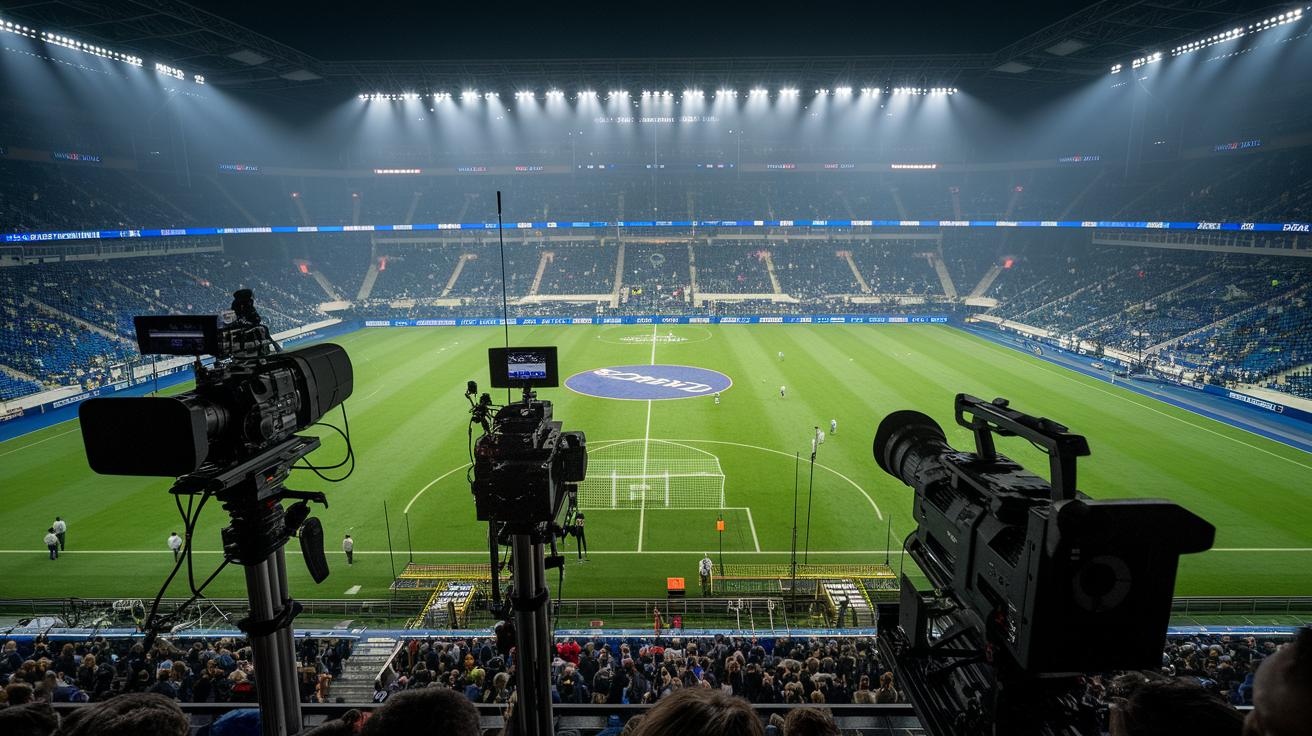
Live sports broadcasts today pack a punch with setups that make you feel like you're right on the field. Cameras zoom in fast, drones swoop in like they're racing the ball, and robotic mounts pivot to catch every heart-stopping moment. Imagine a drone flying low over the action during a key break or a camera smoothly turning to catch that winning play. Directors pick out the best shots, while sound engineers mix every cheer and call so you can hear all the excitement. It’s pure magic that pulls you right into the game.
Live editing suites are the secret sauce behind these flawless broadcasts. In these rooms, replays, graphics, and multiple camera views come together like a perfectly executed play. Think of it like this: when a game-changing goal happens, the replay rolls out so fast you can see every detail, complete with stats that add a cool layer of insight. Editors work like clockwork under pressure to blend live action and replays seamlessly, keeping the game’s pulse steady and your adrenaline high.
New tech like AI-driven analytics is the icing on the cake for live sports. These smart systems quickly stitch together highlight reels, predict key moments, and pull up real-time stats that break down the plays. Picture a sudden shift in momentum kicking off an auto-generated highlight that details every move and why it matters, almost as if the game itself is telling its story. It’s a brilliant mix of human talent and digital wizardry that makes watching sports even more thrilling and real.
On-Air Sports Broadcasting: Commentary and Reporting Techniques
The digital era has totally revamped sports commentary. Nowadays, broadcasters mix vibrant graphics, live stats, and interactive screens to tell the game’s story like never before. Picture this: a commentator showing live numbers and suddenly highlighting a player’s surprising burst of energy during the most crucial moment.
Social media has also stepped into the spotlight, turning live reporting into a buzzing, real-time conversation. Fans’ tweets, quick polls, and instant reactions become part of the show. Commentators tweak their play-by-play using this digital buzz, making you feel like you’re right there in the action. Ever seen a tweet change the whole vibe of the broadcast?
Some standout moments on air prove that these new tricks are changing the game. One unforgettable broadcast used a split-screen to show both the electric atmosphere in the stadium and eager reactions online. It was a perfect mix of classic commentary with fresh digital insight, giving viewers a truly immersive experience.
Career Paths and Education in Sports Broadcasting

Sports broadcasting is like a high-energy game with roles for everyone. Whether you kickstart your career as a production assistant, field reporter, or technical operator or aim to lead with directing and production management, there’s a spot for your skills. Internships give you a front-row experience in live editing, camera work, and mastering your voice, just like practicing the perfect play. Many get their start while still in school, and that first-hand action fuels a passion for storytelling that lights up every broadcast.
Training programs in announcer skills and courses in broadcast journalism or sports communication are your playbook for success. Top sports media colleges offer degree paths focusing on media certification, voice coaching, and live editing techniques, kind of like having a full sports toolkit. These programs prepare you to shine in both on-air commentary and behind-the-scenes production, teaching you everything from multi-angle camera shuffles to integrating real-time stats as if you were calling the game live.
In sports broadcasting, every move matters. You start by supporting the team, then gradually step into bigger roles like directing, production management, or even forming executive media partnerships. Teamwork and the ability to adapt are your best teammates here, just like when your favorite team rallies on the field. With each internship and training session, you’re not only building a steady media career but unlocking fresh opportunities that change the way fans experience live sports as technology evolves.
Final Words
In the action, we broke down the dynamic world of sports broadcasting. We ran through how steam-of-the-moment live coverage marries play-by-play announcers, color commentators, and behind-the-scenes tech experts. Quick flashes of history showed how early radio and TV shaped what we enjoy today. We also peeked into the future of digital streaming and interactive sports experiences. This fast-paced look reaffirms that sports broadcasting continues to evolve, keeping fans engaged and the thrill of the game alive.
FAQ
Frequently Asked Questions
What does sports broadcasting do?
The sports broadcasting field transmits live events on TV, radio, and digital platforms. It offers immediate play-by-play narration, expert analysis, and behind-the-scenes insights that bring fans closer to the game.
What is a sports broadcaster’s salary?
The sports broadcaster’s salary varies widely. Entry-level roles earn modest pay, while seasoned professionals in prominent networks can earn significantly higher incomes, often reaching six figures.
How do I become a sports broadcaster and what degree should I pursue?
Becoming a sports broadcaster usually involves a degree in broadcast journalism or sports communication. Gain hands-on experience, build a solid portfolio, and develop strong voice and on-air skills to advance your career.
What companies lead the sports broadcasting industry, including NBA and UK networks?
Major networks like ESPN, NBC Sports, and Sky Sports dominate the field. NBA games air on NBA TV and similar channels, while UK broadcasts feature top names like BT Sport and Sky Sports for local coverage.
How do women contribute to sports broadcasting?
Women in sports broadcasting offer dynamic insights as anchors, reporters, and commentators. Their growing role enriches live coverage by bringing fresh perspectives and engaging storytelling to the sports fan experience.