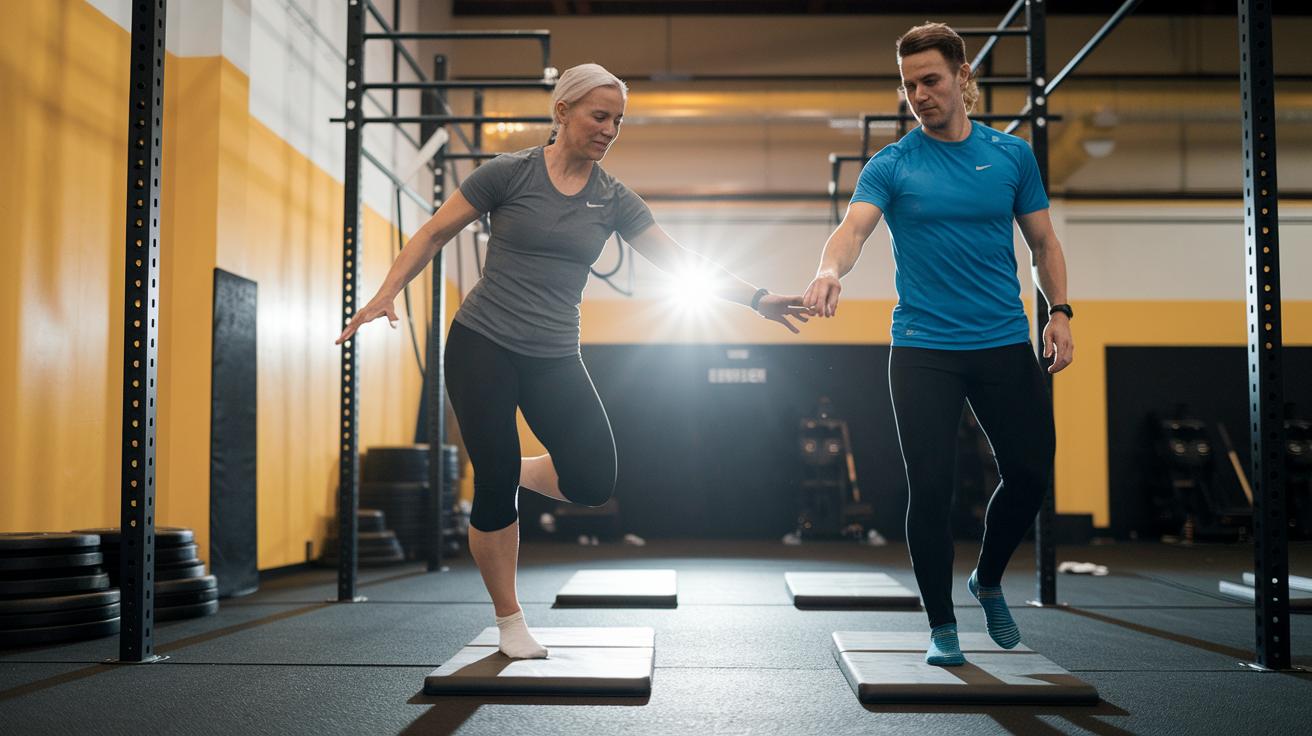
Ever wondered if your thoughts can push your body past its limits? Sports science mixes simple body tests, movement drills you can see in action, and a focus on mental training to help athletes break free of their usual barriers.
It turns lab numbers into live game strategies, letting coaches tweak workouts and switch up tactics right when the game heats up. Each measured heartbeat and every analyzed move gives athletes that extra edge, making the impossible feel totally possible.
This blog dives into how science turns tough practice into unstoppable performance. Ready to see how smart training can take your game to the next level?
Comprehensive Foundations and Practical Applications of Sports Science
Sports science brings together ideas from different areas like physiology, biomechanics, psychology, nutrition, and anatomy to help athletes perform at their best. It uses scientific tests to see how the body reacts to exercise, making sure players can reach their top potential. It’s not just about numbers and charts, it’s about how practice, rest, and mental strength all mix together on the field. Ever wonder how coaches adjust a player’s workload in real-time? That’s sports science in action as it merges academic research with hands-on coaching tips.
The field covers lots of ground. Exercise physiology checks important things like heart rate and muscle fatigue to give a clear picture of a player’s fitness. Biomechanical assessment uses tools like motion tracking and force plates to break down how players move, helping them fine-tune their techniques. And sports psychology? It builds mental toughness so players can handle high-pressure moments. Let’s not forget nutrition, which tailors diets for energy and recovery.
When all these ideas come together, research turns into real tools for training, analyzing performance, and even preventing injuries. Coaches blend data from exercise tests and movement studies to design workouts that boost strength, speed, and agility, all while lowering injury risks. In everyday sports, this mix of research and practice means that every scientific breakthrough can lead to a better play on the field.
Sports science Energizes Peak Athletic Performance
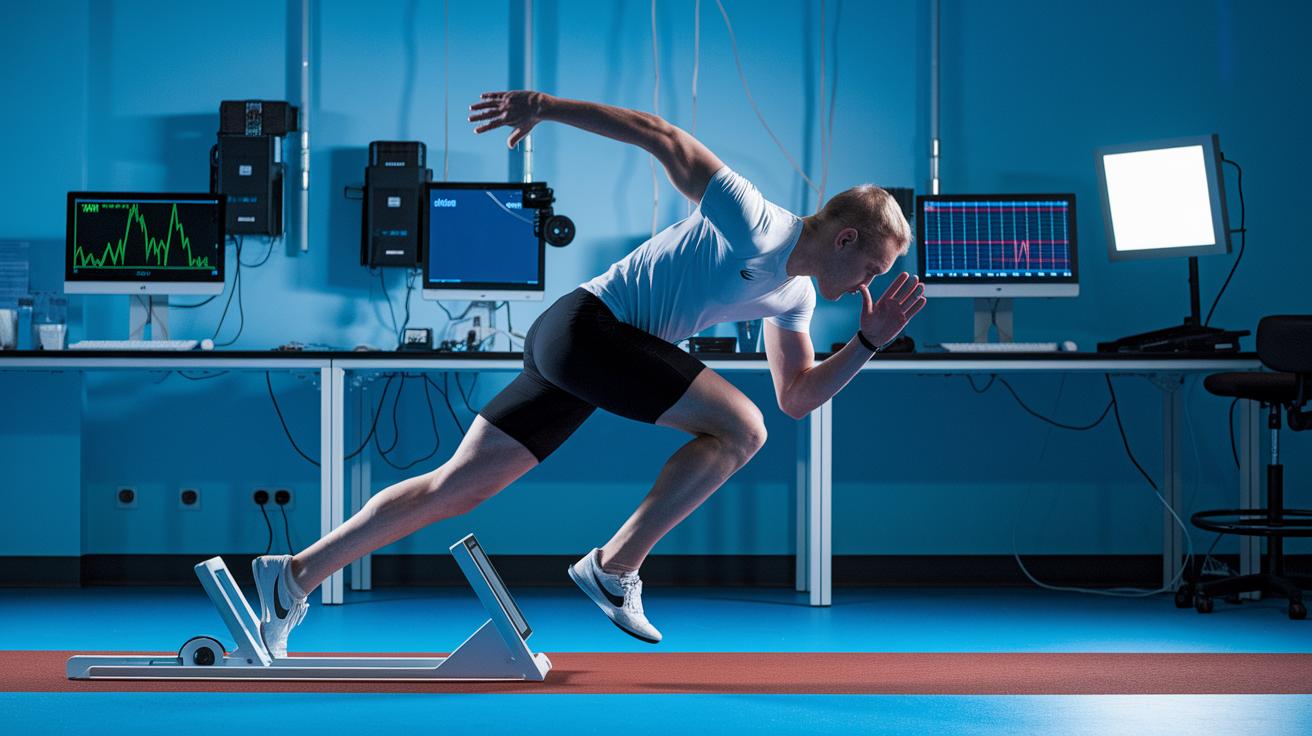
At the heart of sports science is research, sparking insights that help athletes do their best on the field. It takes detailed lab tests and turns them into game plans that boost training, speed up recovery, and cut down injuries. Imagine coaches tweaking your workout because they know just how your body reacts with every move. Cool, right?
- Exercise Physiology: Labs track how much oxygen you use and check out muscle wear, which helps build endurance and improve performance.
- Motion Analysis: Using force plates with 3D imaging, experts get a clear view of how you move, so you can tweak your mechanics for smoother, more efficient action.
- Sports Medicine: By studying the causes and healing of injuries, researchers create smarter recovery plans that get you back in the game faster.
- Metabolic Studies: Monitoring lactate levels during exercise tells scientists when you switch from gentle (aerobic) to hard (anaerobic) energy use, guiding your training intensity.
- Mental & Stress Assessments: These check how stress and focus affect you during play, making sure you stay sharp when it really counts.
- Data Analytics: With real-time numbers and detailed reviews, teams can adjust training plans to fit each athlete’s unique needs.
All these areas work together to turn raw numbers into practical strategies for training, recovery, and injury prevention. Sports science is always evolving, helping athletes push past limits and reach new peaks.
Advanced Training Methodologies for Athletes in Sports Science
Advanced training methods in sports science are shifting the way athletes build strength, speed, and stamina. Experts mix hands-on drills with solid science to give clear, measurable improvements. Today, online courses offer more than 100 lessons focused on building muscle, boosting agility, and ramping up endurance (a.k.a. maximal aerobic speed). These tested techniques make sure every drill and training cycle is set to help you perform at your best.
Coaches now bring together smart planning, heart-pounding metabolic drills, and well-timed training cycles. This mix helps athletes steadily boost their performance with schedules that match workout intensity to their needs. Check out the table below to see some of the key training methods:
| Methodology | Focus Area | Benefit |
|---|---|---|
| Agility Drills | Neuromuscular coordination | Quicker changes in direction |
| Periodization | Training load management | Hitting peak performance at the right time |
| Metabolic Conditioning | Aerobic/anaerobic systems | Stronger endurance |
| Strength Protocols | Resistance training analysis | More power on the field |
| Cryotherapy | Recovery science innovations | Less muscle soreness |
Online learning sites keep training strategies fresh and on the cutting edge. Resources like the Performance Digest roll out regular updates on hydration tips, cryotherapy (using cold treatments to reduce pain), and plant-based nutrition. These ongoing updates let you mix theory with hands-on practice, making every workout smarter, faster, and stronger.
Technological Innovations Driving Sports Science Progress
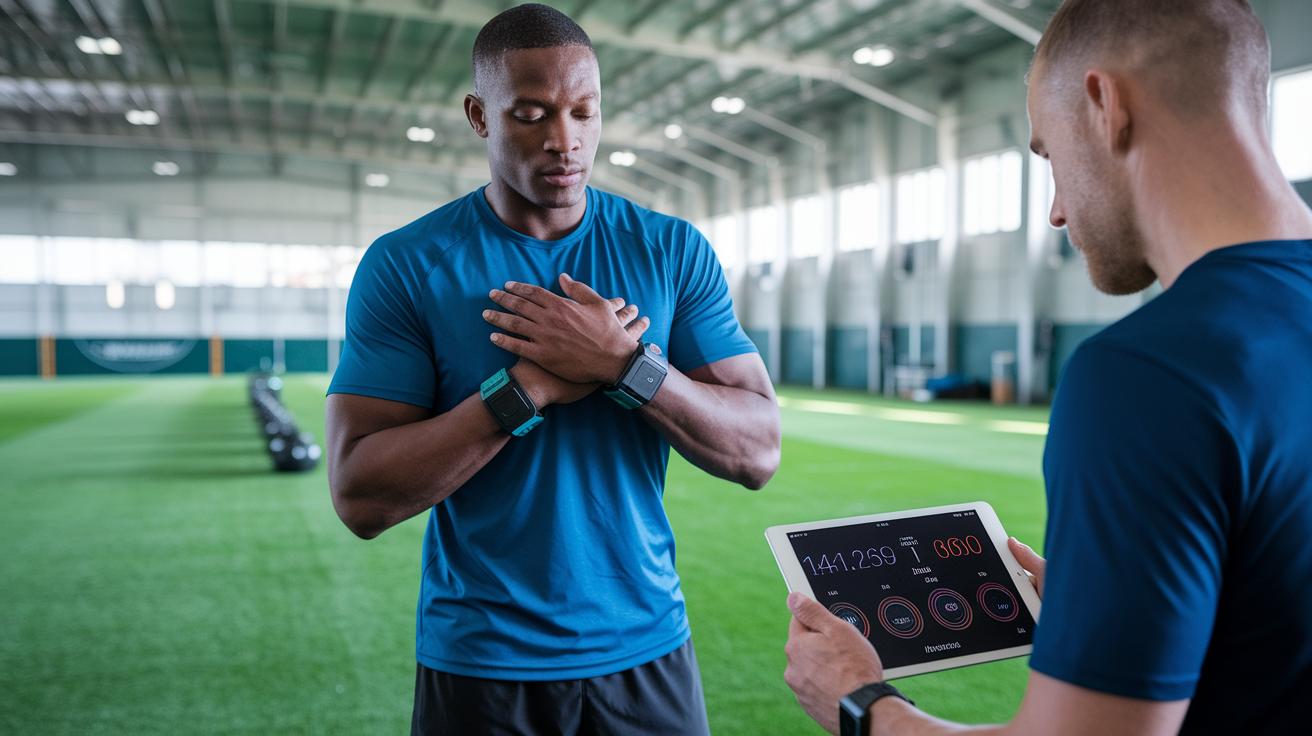
Innovative sports tech is totally changing the game when it comes to tracking how athletes perform and how hard they train. Think about it, wearable sensors and digital trackers now share real-time details on every athlete's workload and body movements. Coaches can see every twist and turn right away, which helps them adjust training plans, avoid overworking players, and spot injury risks before they become serious. Ever picture a wristband that talks directly to a coach’s screen during practice? That’s the kind of precision we’re talking about here.
Digging deeper into this digital shift, you’ll find high-tech sensors and smart motion tools that break down every move. Devices now capture things like jump height and running stride, turning raw numbers into easy-to-understand game plans. Imagine a world where every flick, step, and leap is measured so trainers know exactly what to work on for a stronger performance. It’s like having a playbook that updates with every move made on the field.
And it’s not just about tracking performance, technology is giving recovery a major boost too. Cool recovery gear, like advanced cryotherapy machines and new treatments for head injuries, is now a must-have for sports teams. These tools lessen muscle aches and speed up healing, meaning athletes can bounce back faster and get back to their best. By mixing these smart technologies into their routines, teams are taking a smarter, more scientific approach to the whole game.
Educational Pathways and Career Opportunities in Sports Science
If you're ready to turn your passion for sports into a real career, there are plenty of degree programs that pave the way. Colleges like Russell Sage College offer master’s programs (as of January 25, 2024) that mix solid classroom lessons with hands-on lab work. You get practical experience in areas like strength conditioning, injury prevention, and recovery – all skills that bring the action to life. And if a traditional degree isn’t your style, online athletic courses let you earn certificates in strength, nutrition, and recovery that are recognized by over 1,000 experts in 120 countries. Cool, right?
Master’s Degree Overview
Imagine a two-year program that feels as thrilling as a nail-biting sports match. At Russell Sage College, the master’s in sports science has you diving into core subjects like exercise physiology (how your body responds to exercise), biomechanics, and sports psychology – with plenty of time in practical labs. This setup gives you a real feel for crafting training programs, analyzing performance, and mastering rehabilitation techniques. Ever felt that rush when a brilliant play unfolds? That’s the kind of energy this program brings into the classroom.
Online Certification Options
Not ready to commit full-time? No problem. Online athletic courses are designed with busy schedules in mind. These certificate programs hone in on key areas like strength training, nutrition planning, and recovery strategies. Plus, you score membership perks like a monthly eMagazine loaded with the latest performance insights and sports science trends – a handy playbook to keep you ahead of the game.
Career Paths Breakdown
These degrees and certificates open up an exciting lineup of career opportunities. Check out some of the roles you could pursue:
| Career Path | What They Do |
|---|---|
| Sports Scientist | Uses research to fine-tune athletic performance tactics. |
| Strength and Conditioning Coach | Designs programs that boost power and stamina. |
| Physical Therapist | Helps athletes prevent injuries and speeds up recovery. |
| Nutritionist | Creates diet plans to maximize energy and recovery. |
| Biomechanist | Studies body movements to reduce injury risks. |
| Sports Psychologist |