
Ever thought about why talking head interviews feel so powerful? They focus on one person, cutting right to the chase like a buzzer-beater shot that leaves you in awe.
Watch the close-up shot, it’s like a buddy sharing honest advice in the middle of an epic game. Back in the day, this simple view won over viewers by keeping things clear and direct.
Today, whether it's a corporate video or a live special, these interviews give us that same clear, real insight. Sometimes, all it takes is a straight, focused look to truly connect.
What Defines a Talking Head Interview
A talking head interview is all about focusing on one person’s head and shoulders. This style kicked off in the 1950s when TV news experts shared their insights straight to the camera. It gives you a cozy, one-on-one feel, as if you’re getting advice from a trusted friend. Imagine a famous reporter breaking news with just a close-up that pulls you right into the action.
Originally, this approach was a favorite in classic newsrooms, especially on channels like NBC and CNN. By zooming in on the speaker, the focus stays purely on them, which builds trust and clarity. It’s a simple setup that made you feel connected to the expert, almost like they were talking to you directly.
Today, talking head interviews pop up in all sorts of places, from corporate videos and interview productions to scripted segments in various media. In the business world, for example, execs use this style to clearly share their vision and plans. Whether in creative projects or corporate updates, the head-and-shoulders frame keeps things focused and engaging. It adds a real touch of personality and authority, letting the expert’s knowledge shine through in a way that feels both direct and relatable.
Historical Evolution of Talking Head Interview Styles

Back in the 1950s, TV giants like NBC and CNN kicked off the talking head style. It featured a simple head-and-shoulders shot that made every word crystal clear. Fun fact: before color TV took over, viewers loved the clear, focused delivery from anchors, it made you feel like you were catching up with a friend.
Soon after, this straightforward style became a trusted way to share news and special reports. The clean setup meant you could focus on the information without any extra distractions.
Then, as time went on, the talking head setup evolved. In the 2000s, it jumped from newsrooms to documentaries and live interviews, even on digital platforms. Today, it's found in expert documentaries and casual, quick-turn social media chats, like those on YouTube Q&As. Its journey shows just how flexible and engaging this style can be.
Common Formats and Camera Techniques in Talking Head Interviews
Using different camera shots in an interview is like playing a great game with creative moves. Mixing up the shots keeps things lively and shows when a moment is extra important.
For example, a head-and-shoulders shot works best for most interviews, putting the speaker’s face front and center to build trust. When you need to zoom in on emotions or tiny expressions, a close-up shot is your go-to, imagine catching that spark of insight up close. Then there’s the medium shot, which shows not only the person but also a bit of their surroundings, adding context like the backdrop of a stadium. A full shot is perfect when you want to show all the action, think of it like capturing every detail of an athlete speeding down the field. And sometimes, a slight high angle shot gives off a friendly vibe, much like a coach who listens carefully to his team.
Choosing the right angle is key, kind of like picking the perfect play at the right time. A straight-on, eye-level view offers a balanced and natural look that suits calm moments. But if you lift the camera just a little, it softens the mood, making the interview feel welcoming and chatty. Now, go a bit further and a 45° angle brings in some dynamic energy, suddenly, even a slow conversation sparks with life. These subtle camera moves guide the viewer’s eye and highlight the big moments, keeping the conversation exciting and engaging from start to finish.
Equipment Essentials for Professional Talking Head Interviews

When you’re getting ready for a talking head interview, picking the right gear is a game changer. A solid DSLR or mirrorless camera lets you capture crisp images that really draw viewers into the conversation. And trust me, using a lapel or shotgun mic makes a huge difference by capturing every word clearly, so nothing gets lost in the mix. Add in some LED panel lights to give a natural glow that shows every expression, and you’re already on your way to a pro setup.
It’s not just about buying the flashiest equipment. Think about little tricks like changing your camera angle to catch your subject at their best or capturing that fleeting moment when they show real emotion. Good lighting can completely turn a plain scene into something vibrant and engaging. Plus, investing in top-notch audio gear means you won’t have to deal with distracting sound problems. And if you add a multi-camera setup, you get cool cutaways and reaction shots that keep the audience hooked.
A smooth production takes all these elements and lines them up perfectly. Start by planning your script and questions. Then, run some quick checks on your lighting and audio to be sure everything is ready. Next, double-check your camera framing to capture that perfect shot. Finally, do a short rehearsal with your speaker so they feel at ease on camera. It’s a simple four-step process that turns technical details into an exciting and professional interview experience.
Lighting and Background Design for Impactful Talking Head Interviews
Three-point lighting is the MVP of any interview setup. You line up three lights: a key light at a 45-degree angle that makes your subject shine, a fill light on the opposite side to soften harsh shadows, and a backlight to really separate your subject from the background. For fun, here’s a cool fact: "Using three-point lighting transforms an ordinary room into a professional studio." It’s all about creating depth and clarity so every detail pops.
Ambient lighting is like adding a smooth soundtrack to your scene. Soft, diffused lights warm up natural skin tones and give the video a friendly glow. Imagine it as the highlight reel that makes all the little details come alive without stealing the show.
When it comes to your background, simplicity wins. Stick to solid colors or very subtle textures to keep distractions at bay. A plain blue backdrop, for example, can feel calm and trustworthy, while a lightly textured wall directs all eyes to the speaker. You might even try softboxes or diffusers on your background lights to add just the right amount of depth. This smart combo of effective lighting and a clean, intentional background turns any basic talking head interview into a dynamic scene that instantly grabs viewers' attention.
Best Practices and Storytelling Tips for Engaging Talking Head Interviews
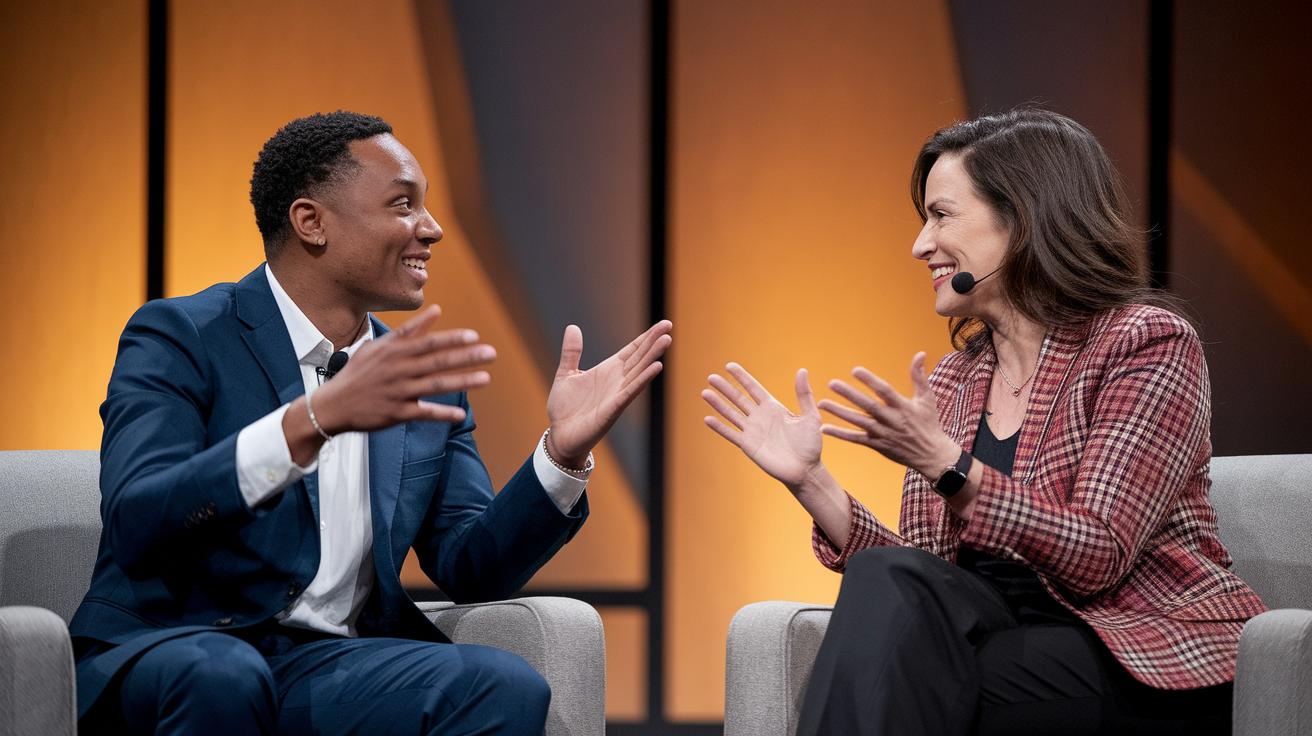
Imagine an interview that feels as gripping as a nail-biting game. It kicks off with a clear narrative that sweeps viewers away, inviting them to connect deeply with the speaker. By mixing planned segments with spontaneous, off-the-cuff moments, the conversation flows naturally and remains memorable.
Try these winning moves:
- Keep your eyes on the camera to build instant trust.
- Vary your speaking pace to match the energy of your story.
- Use a friendly, relaxed tone that sounds like you're chatting with a friend.
- Ask questions that spark insightful, genuine answers.
- Always end with a clear call-to-action, guiding your viewers on what to do next.
- Let real, unscripted moments shine, just like a perfect game highlight.
- Ensure smooth transitions from one idea to the next to keep the momentum going.
Sometimes, even the best setups can feel a bit dull if the visuals stay the same. When the energy dips, throw in some B-roll or change the shot angles to freshen things up. This keeps the interview dynamic and holds the audience's attention from start to finish.
Post-Production Strategies for Polished Talking Head Interviews
Post-production can turn plain footage into a video full of spark and clear insight. By using clever editing techniques, a basic talking head interview becomes a story that grabs you. Adding B-roll or cutaways breaks up the static shots, and simple audio transitions, like L-cuts, which let dialogue flow smoothly with background sounds, make the video feel natural. These editing goals set up a final video that tells the subject's message while keeping you interested.
| Software | Key Feature |
|---|---|
| Adobe Premiere Pro | Lots of creative tools for cool transitions |
| Final Cut Pro | Great for smooth L-cuts and fast editing |
| DaVinci Resolve | Top-notch color correction and audio tuning |
When editing, cleaning up the audio is a must. Balancing the sound so every word is clear, and cutting out background noise, makes a huge difference. You start by matching the overall colors to fit your brand, then tweak the details to even out skin tones and gentle hues. This two-step color work not only makes the interview look sharp but also keeps everything consistent. Finally, checking your export ensures all the cuts, transitions, and audio tweaks come together perfectly so the final video hits home with every viewer.
Virtual and Remote Solutions for Talking Head Interviews
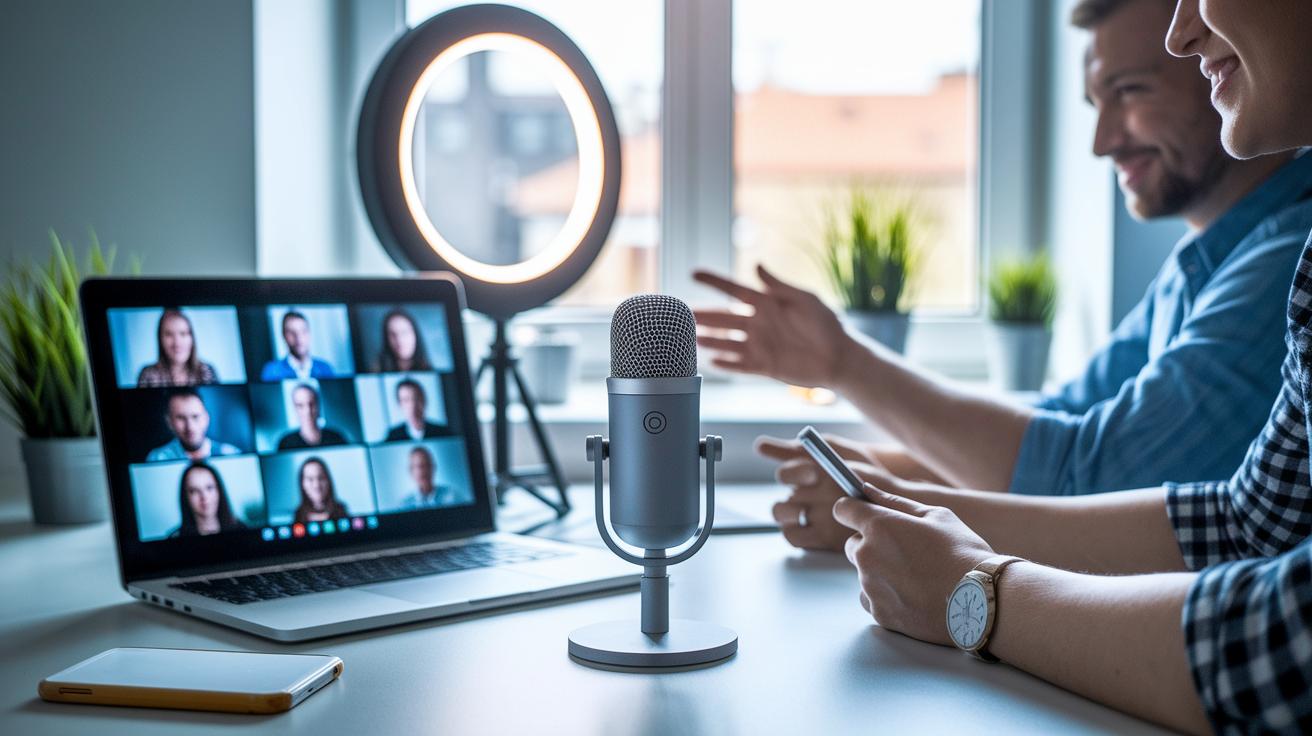
Looking to connect with talent from anywhere? Platforms like Zoom, Riverside.fm, and StreamYard give you crisp, clear HD remote recording. They let you run smooth sessions with a reliable connection, perfect for a busy schedule and recording from multiple locations.
When you're working remotely, having a solid audio and video setup is key. Use USB or XLR mics to capture clear sound and set up some simple lighting like a ring light or natural window daylight. It helps your guest come across as polished and professional on camera.
Don’t forget about file formats. Exporting your recordings in MP4 or MOV makes sure your video and audio stay top-notch on platforms like YouTube and LinkedIn. This keeps things sharp and clear on any device, whether you're watching on a phone, tablet, or desktop, so your guest's message always hits home.
Case Studies: Effective Use of Talking Head Interviews
CNN Nightly News shows us a classic setup. The camera focuses on a head-and-shoulders shot with a strong, focused light that puts the expert in the spotlight. You feel like the presenter is speaking directly to you. It’s like watching your favorite star give the play-by-play, clear, immediate, and trustworthy.
PBS Documentary takes a different approach. They use close-up shots to catch every emotion, almost like you’re right there with the subject. The camera zooms in on tiny facial expressions, letting you feel every bit of the moment. It’s simple but powerful, drawing you into a personal story that hits you straight in the heart.
Then there’s the YouTube Creator Showcase. Imagine a relaxed setting lit by natural window light and a casual background. This style breaks down the barrier between the speaker and the viewer. It feels honest and spontaneous, like chatting with a friend about a game. The vibe makes you want to keep watching and join in on the conversation.
Each of these examples proves that small changes in the talking head format can switch up the whole feel of the story. Whether it’s the solid, no-nonsense setup from CNN, the emotional close-ups from PBS, or the friendly, laid-back style of a YouTube creator, the right visual choices help draw you in and boost the overall impact of the interview.
Final Words
In the action, this post broke down talking head interviews from their classic head-and-shoulders setup to modern remote solutions. We explored how camera techniques, lighting tricks, and post-production strategies team up to deliver a clear, engaging message.
Talking head interviews now kick traditional formats into high gear. They mix expert insights with creative filming to keep things lively and current. It all adds up to a playbook that not only informs but also excites.
FAQ
What is a talking head interview and what is an example of one?
The talking head interview is a head-and-shoulders shot used to connect with viewers directly, like a classic news broadcast. An example is a YouTube interview featuring a subject in a direct, face-to-camera conversation.
How do you prepare for a talking head interview?
Preparing for a talking head interview means setting up a clear script, checking your lighting and sound, and rehearsing how to speak naturally while looking directly at the camera.
What does the term “talking head video” mean?
The talking head video means a format that focuses on the subject’s face and shoulders, highlighting direct communication and expert insight through on-camera dialogue.
What are some good examples of talking head interviews on YouTube and Reddit?
Talking head examples on YouTube range from sleek corporate interviews to casual, content-rich discussions, while Reddit hosts threads sharing behind-the-scenes tips on creating dynamic, engaging talking head videos.
How is a talking head video edited?
Talking head video editing involves trimming static shots, adding b-roll to break up the footage, balancing audio levels, and using smooth transitions for a polished, engaging final product.
How should you incorporate talking head segments into a script?
Incorporate talking head segments by writing clear, conversational dialogue and questions that let the subject share authentic insights without feeling overly scripted.
What did David Bowie think of the band Talking Heads?
David Bowie admired the band Talking Heads for their unique sound and creative energy, seeing them as innovative artists who pushed the boundaries of music performance.